
Mamata backs Rahul as PM, Kharge urges unity at INDIA bloc meet
Trinamool Congress chief Mamata Banerjee on Wednesday endorsed Leader of the Opposition Rahul Gandhi as the face of the Opposition alliance, telling INDIA bloc leaders gathered in New Delhi that she would have no objection if Mr. Gandhi were to become Prime Minister. Congress president Mallikarjun Kharge, however, cautioned that the meeting’s purpose was not to decide leadership but to forge a united response to national challenges.
Meeting and backdrop
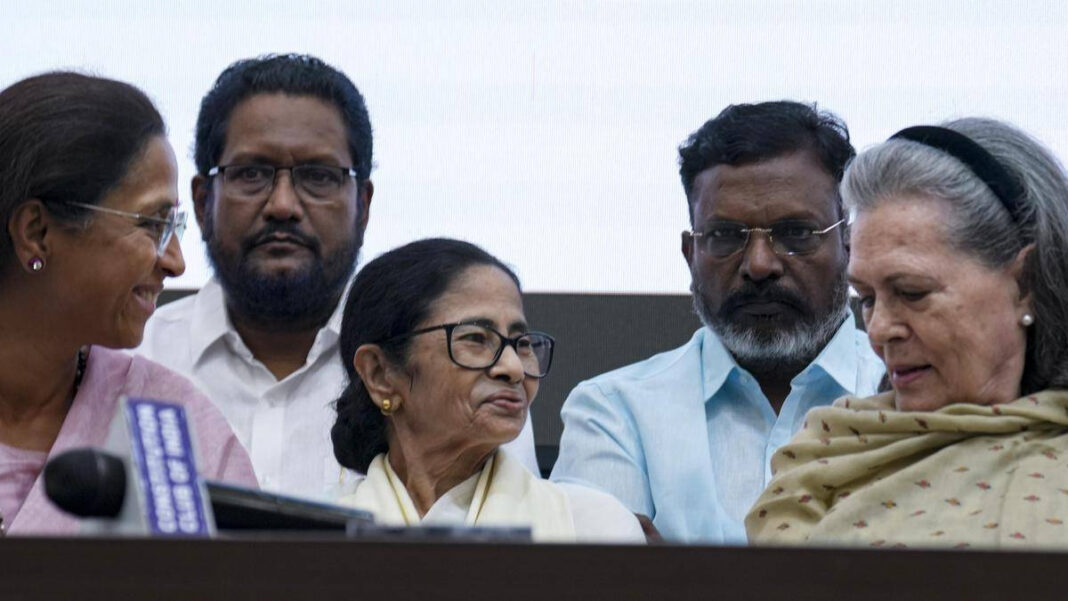
The endorsement came during an INDIA bloc coordination meeting held in the capital on September 30, 2026, followed by a joint press conference addressed by senior Opposition figures, including Congress Parliamentary Party Chairperson Sonia Gandhi, Ms. Banerjee and NCP (SP) MP Supriya Sule. The discussions were convened amid Opposition concerns linked to Chief Election Commissioner Gyanesh Kumar and the Special Intensive Revision (SIR) exercise, according to leaders who attended.
Banerjee’s endorsement and call for unity
Sources present at the meeting said Ms. Banerjee repeatedly underscored the need for the bloc to act in concert and expressed willingness to contribute as a “worker” without regard to position. Stressing that she had “no ego,” she cited her outreach to Biju Janata Dal leader Naveen Patnaik and referenced a recent conversation with CPI(M) general secretary M.A. Baby—an overture notable given the longstanding rivalry between the Trinamool Congress and the Left in West Bengal.
Pointing towards Mr. Gandhi during the deliberations, she stated: “If Rahul Gandhi becomes Prime Minister, I have no problem.”
Kharge’s caution and emphasis on common cause
Mr. Kharge intervened soon after, framing the gathering as a forum to consolidate Opposition unity rather than to decide leadership positions. He said the immediate task for the alliance was to “stand together to save the country,” a theme that shaped the rest of the discussions.
Atmosphere and shifts within the alliance
Leaders present described the tone of Wednesday’s meeting as markedly different from the INDIA bloc’s previous gathering on June 8, noting a greater willingness by the Congress to accommodate suggestions from across the alliance. This shift was reflected in the acceptance of multiple proposals put forward by leaders of constituent parties and allies.
Key proposals adopted
Among the ideas that found consensus:
• CPI(M) leader M.A. Baby’s proposal for a collective representation to the President was accepted, indicating a coordinated institutional outreach by the Opposition on issues of democratic process and electoral integrity.
• CPI(ML) general secretary Dipankar Bhattacharya’s call to take the agitation on vote chori (vote theft) beyond Delhi and other major cities secured backing, signaling plans to expand the Opposition’s on-ground campaign across the country.
• Independent Rajya Sabha member Kapil Sibal’s suggestion to mount a legal challenge to the Chief Election Commissioner and other Election Commissioners (Appointment, Conditions of Service and Term of Office) Bill, 2023, was also approved, pointing to a possible courtroom battle over the selection process for top election officials.
Communication strategy and coordination mechanisms
Rashtriya Janata Dal leader Tejashwi Yadav emphasised the need for the bloc to “speak with one voice” and proposed designating official spokespersons to streamline messaging. Leaders agreed that a sub-committee would be formed to take day-to-day decisions, a move aimed at improving coordination and maintaining momentum across the alliance’s many constituents.
Rahul Gandhi’s message: humility and institutional defense
Speaking towards the end of the meeting, Mr. Gandhi reinforced the theme of collective action and cooperation among partners. He said the Congress was prepared to work with “humility” alongside other parties, stressing that the alliance bore a historic responsibility to safeguard democratic institutions.
“History will remember this group which is sitting here today as the one that defended the Constitution of India,” he told leaders, underlining the stakes of their collaboration.
At the press conference: ‘Defenders of the Constitution’
Addressing the media after the meeting, Mr. Gandhi reiterated that “collectively, we are the defenders of the Indian Constitution.” He said the coming months would be politically significant and indicated that the Opposition intended to intensify its campaign against the government. His remarks echoed the internal consensus on stepping up both institutional engagement—such as the proposed representation to the President and legal challenges—and public mobilisation across states and smaller towns.
Significance and next steps
The meeting signalled a renewed convergence within the INDIA bloc on strategy and method, even as leadership questions remained deliberately off the formal agenda. Ms. Banerjee’s public backing for Mr. Gandhi, coupled with Mr. Kharge’s emphasis on unity, reflected a pragmatic pivot towards coordinated action on electoral and constitutional issues.
With proposals accepted to expand grassroots mobilisation, establish clearer communication channels, and consider legal remedies over electoral appointments, the alliance indicated it would move on multiple fronts. The formation of a sub-committee for routine decisions is expected to accelerate responsiveness and alignment among the bloc’s diverse parties.
Published: September 30, 2026