

This content has been reformatted for better readability while preserving the original structure and information.
Himalayan Floods: An Urgent Call for Regional Disaster Preparedness
By Safi Ahsan Rizvi
The breathtaking Himalayan range, known for its rugged beauty and towering peaks, has become a region synonymous with both natural wonder and environmental vulnerability. In recent years, the frequency and intensity of floods in this region have intensified, shedding light on the urgent need for comprehensive disaster preparedness and management strategies. As climate change exacerbates weather patterns, the threat of catastrophic floods not only endangers local communities but also poses significant risks to regional stability and economic growth.
Understanding the Triggers of Himalayan Floods
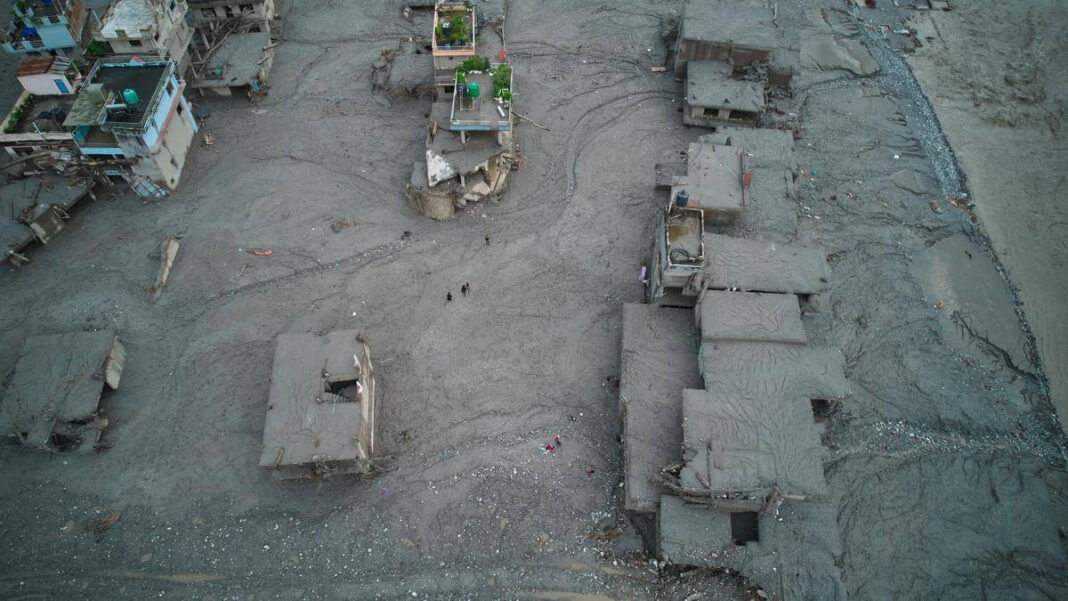
Himalayan floods can be attributed to several interconnected factors. Glacial melting, triggered by rising global temperatures, contributes significantly to the surge of water in rivers that descend from these colossal mountains. Increased rainfall, coupled with landslides and the destabilization of natural ecosystems, exacerbates flooding incidents. The devastation brought on by recent floods, such as those that struck parts of India, Nepal, and Bhutan, highlights the undeniable reality: floods are becoming more frequent and severe.
Indigenous communities and farmers, often the most vulnerable, find their livelihoods jeopardized by these natural disasters. Entire villages are washed away, homes destroyed, and agricultural lands rendered unusable, displacing thousands and pushing families deeper into poverty. The emotional toll on affected populations is profound, with many experiencing loss on multiple levels — personal, economic, and psychological.
The Regional Implications of Flooding
The ramifications of flooding extend beyond immediate geographic boundaries. The Hindu Kush-Himalayan region is a vital water source for billions, feeding rivers that support agriculture, hydropower, and domestic water supply in South Asia. Disruptions in water flow due to flooding can have cascading effects, creating tensions among nations dependent on shared water resources. A lack of effective regional cooperation could lead to disputes over water rights, especially in a region already fraught with geopolitical tensions.
Moreover, the impact of flooding on infrastructure — roads, bridges, and communication systems — can hinder disaster response efforts and impede economic recovery in the short and long term. Tourism, a significant source of income for many Himalayan nations, can also suffer dramatically as landscapes are altered and safety concerns mount.
A Call for Proactive Disaster Preparedness
Recognizing the growing threat of floods is only the first step. The urgency and complexity of challenges posed by climate change necessitate a robust approach to disaster preparedness on a regional scale. Governments must engage in joint initiatives, pooling resources and expertise to establish coordinated disaster response frameworks. Increased investments in early warning systems, flood forecasting technologies, and community-based disaster risk reduction strategies are essential.
Education and training programs targeting local communities can improve awareness and readiness, enabling residents to respond effectively to emergencies. Strengthening infrastructure with flood-resistant designs and establishing comprehensive land-use planning are crucial steps toward mitigating future risks.
Regional collaboration is paramount. Countries like India, Nepal, Bhutan, and Bangladesh must not only share data and technological resources but also develop transboundary agreements that facilitate collective action in the face of disasters. Engaging non-governmental organizations, local communities, and international bodies can enhance these efforts, providing a multifaceted approach to flood preparedness.
Conclusion
The Himalayan floods serve as a stark reminder of nature’s unpredictability and the looming threats of climate change. The pressing need for a coordinated regional approach to disaster preparedness cannot be overstated. As the stakes rise — for communities, economies, and ecosystems — proactive measures must be taken to safeguard the future of the Himalayan region. By fostering collaboration, investing in resilience, and promoting sustainable practices, we can build a framework that not only addresses the immediate threats of flooding but also nurtures the long-term stability and prosperity of the region.
As we stand at the crossroads of opportunity and risk, the call to action has never been clearer. The time to prepare is now.