 "
/>
"
/>

South Korea Demands Ukraine Apology Over Denial of Confidential Deal on North Korean Prisoners of War
In a surprising diplomatic development, South Korea has formally requested an apology from Ukraine in response to remarks made by a Ukrainian official regarding a confidential deal concerning North Korean prisoners of war. This incident sheds light on the intricate web of international relations, the complexities of wartime diplomacy, and the implications of North Korea’s ongoing conflicts.
Background of the Incident
The tensions began when an unidentified Ukrainian official publicly denied the existence of a confidential agreement that purportedly involved the transfer of North Korean prisoners of war. According to South Korean sources, this deal was intended to facilitate the repatriation of North Korean soldiers who had been captured during the ongoing conflict in Ukraine. The assertion by the Ukrainian official stirred significant backlash from South Korea, prompting its government to issue a formal protest.
South Korea’s Position
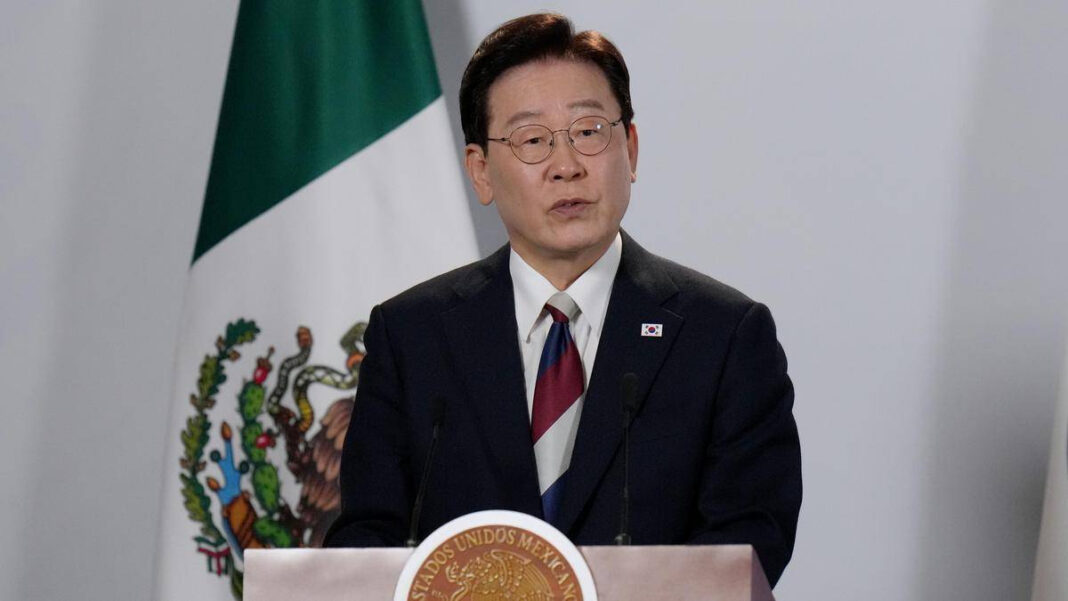
South Korea’s Ministry of Foreign Affairs has emphasized the importance of transparency and accuracy in matters of international diplomacy, especially concerning sensitive issues such as prisoners of war. In response to Ukraine’s denial, South Korea argued that such statements undermine efforts to establish humanitarian channels and could potentially jeopardize the safety of the prisoners involved.
“The remarks made by the Ukrainian official are not only factually incorrect but also detrimental to ongoing efforts to resolve humanitarian issues related to the conflict,” a spokesperson from the South Korean government stated. “We expect a full apology and a clarification to restore trust and facilitate cooperation.”
The Broader Implications
This diplomatic spat comes at a time when North Korea’s role in global conflicts is becoming increasingly scrutinized. As the country remains isolated due to its nuclear ambitions and human rights violations, the issue of North Korean soldiers, especially those captured in foreign conflicts, is a delicate subject. South Korea’s demand for an apology not only highlights the significance of this specific case but also emphasizes the broader implications of international warfare and the treatment of prisoners.
For Ukraine, the conflict with Russia has already strained its international relations, and the miscommunication with South Korea may complicate its attempts to gain support from other nations. As researchers and policy analysts closely monitor this evolving situation, the balance between national security and humanitarian concerns continues to be a pivotal theme.
Cultural and Historical Context
The historical relationship between South Korea and Ukraine traces back to the establishment of diplomatic ties in 1992, yet it has remained relatively low-key compared to South Korea’s partnerships with Western nations. Nevertheless, as global dynamics shift, South Korea’s stance on international issues, particularly those involving human rights and military ethics, could shape its foreign relations in unexpected ways.
The request for an apology also reinforces South Korea’s commitment to the International Committee of the Red Cross (ICRC) guidelines concerning prisoners of war. The principle of protection for prisoners during armed conflicts is universally recognized, and South Korea’s insistence on an apology from Ukraine underscores the need for adherence to these tenets in all international engagements.
Conclusion
As the situation develops, it remains to be seen how Ukraine will respond to South Korea’s demands. The incident serves as a pivotal reminder of the complexities of international diplomacy, particularly in a world where humanitarian concerns must often wrestle with political realities. The outcome of this diplomatic dialogue may not only affect the two nations involved but could also resonate across the broader geopolitical landscape, particularly in relation to North Korea’s role in global affairs.