
 "
/>
"
/>

IDSFFK 2026: In It Was Here Before Our Time, Ramith Kunhimangalam Pays Homage to Maari Theyyam
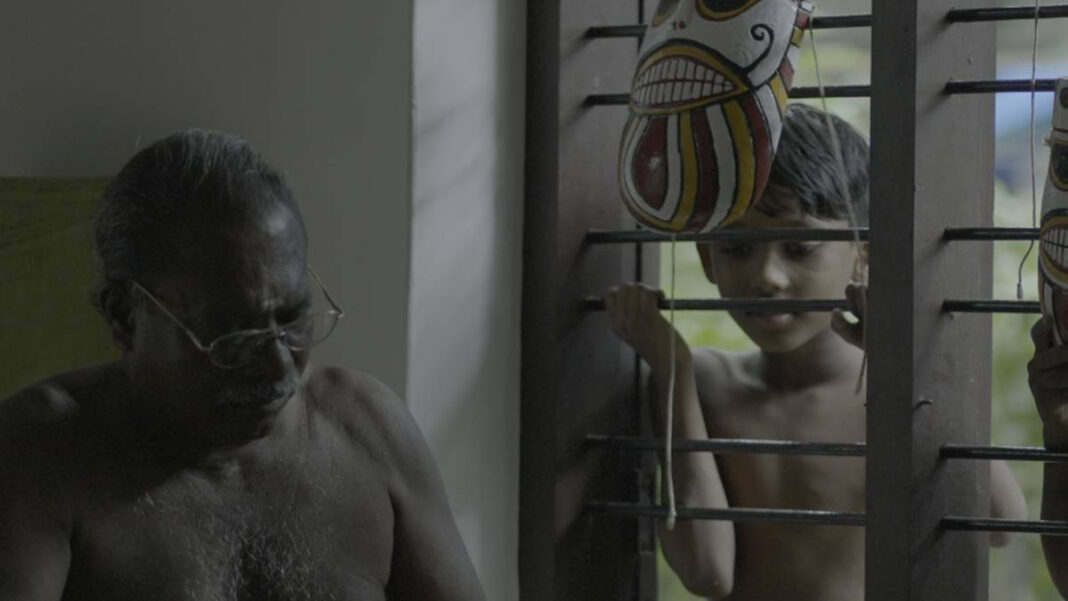
Ramith Kunhimangalam’s short documentary, It Was Here Before Our Time, explores the evolving nature of Maari Theyyam, a traditional art form that has deep roots in community bonding. The film captures how Maari Theyyam is transforming from a communal ritual into a performative spectacle, prompting Kunhimangalam to document this art as both a tribute and a preservation effort before it potentially changes irreversibly.
Overview of the Film and Its Screening
The documentary found its place in the Focus Short Documentary category at the 18th International Documentary & Short Film Festival of Keralam (IDSFFK) in Thiruvananthapuram, and it premiered at the Sree Theatre on Sunday, September 27, 2026. The screening was notable not just for its artistic merit but also for the cultural commentary it offered on an integral aspect of Kerala’s heritage.
The Essence of Maari Theyyam
Originating from Kunhimangalam’s hometown in Kannur, the film delves into the unique character of Maari Theyyam. Unlike other Theyyam forms that often flaunt lavishness, Maari Theyyam occurs during the Malayalam month of Karkadakam (July-August), a period traditionally associated with scarcity and maladies. The locality of Madayikkavu in Kannur bears the weight of 101 curses, and the community enlists the help of a “Pulayan gurukkal,” a magician or healer, to avert misfortunes by symbolically casting them into the sea.
Maari Theyyam, also referred to as Karkadaka Theyyam, is performed by a group of six performers from the Pulaya community, each embodying distinct characters and carrying the burdens of misfortune encapsulated in palm fronds. These offerings are later tossed into water, signifying a release of negativity. The documentary spans 31 minutes and captures the performances on the 16th and 17th days of Karkadakam, exploring how this art form embodies social harmony and the instinct for survival within the community.
Artistic Vision and Cinematic Techniques
In It Was Here Before Our Time, Kunhimangalam aims to present Maari Theyyam with an aesthetic depth that he believes has been overlooked in previous visual representations. He describes how the Theyyams defy conventional paths, likening their unpredictable movements to a blindness and deafness. “I wanted my visuals to interact with nature,” he reflects, emphasizing the contrast with modern Theyyam presentations, which often occur in controlled environments lacking the historical authenticity found in traditional practices.
The film’s visual palette, characterized by shades of grey, evokes the overcast, rainy skies typically associated with the Karkadakam season. Here, rain is not merely a backdrop; it metaphorically symbolizes mankind’s dutiful relationship with nature. The documentary also employs a stripped-down approach to costumes, using painted wooden masks and light green palm-frond frills that maintain intricate details while emphasizing simplicity.
Exploration of Themes and Connections
The documentary serves as a bridge between past and present, reflecting on the socio-cultural landscape surrounding Maari Theyyam. Kunhimangalam draws parallels between the era before Maari Theyyam emerged and contemporary experiences reminiscent of a pandemic, indicating a cyclical relationship between the art form and contemporary societal challenges. “The form is peculiar visually. To me, it even resembles the pictures of the coronavirus we have seen,” he notes, suggesting an intriguing connection between visual art and historical narrative.
Furthermore, he raises the idea of potential links between Maari Theyyam and masked traditions found in Mayan and African cultures. While not providing concrete evidence for such connections, he integrates these themes into the fabric of the film through a deliberate musical score by Christo Xavier, who is also the film’s co-producer.
A Call to Preserve Cultural Integrity
In his documentary, Kunhimangalam grapples with the ongoing commercialization of Theyyam performances, which increasingly prioritize entertainment over cultural significance. He expresses concern over the evolution of Theyyam as an art form, noting that it has become more about visual documentation—and the subsequent loss of structure and meaning. “There’s nothing much that can be done about this,” he admits, “I did this film now to show Maari Theyyam with as much integrity as I can before it evolves into something else.”
Conclusion
It Was Here Before Our Time encapsulates the intricate and dynamic relationship between art, culture, and community. As the documentary gains recognition at IDSFFK 2026, it stands as a poignant reminder of the need to honor and preserve traditional art forms that not only connect us to our roots but also reveal the complexities of contemporary life. Through his careful documentation, Kunhimangalam provides a platform for Maari Theyyam to resonate with future generations while simultaneously reflecting on the challenges posed by modernity.