
 "
/>
"
/>

Minister Vanni Arasu Acknowledges Issue
No Discrimination Claims
Accusations of Ostracism Rejected
Title: Long-awaited Road Demand Sparks Communal Tensions in Nilgiris
Introduction
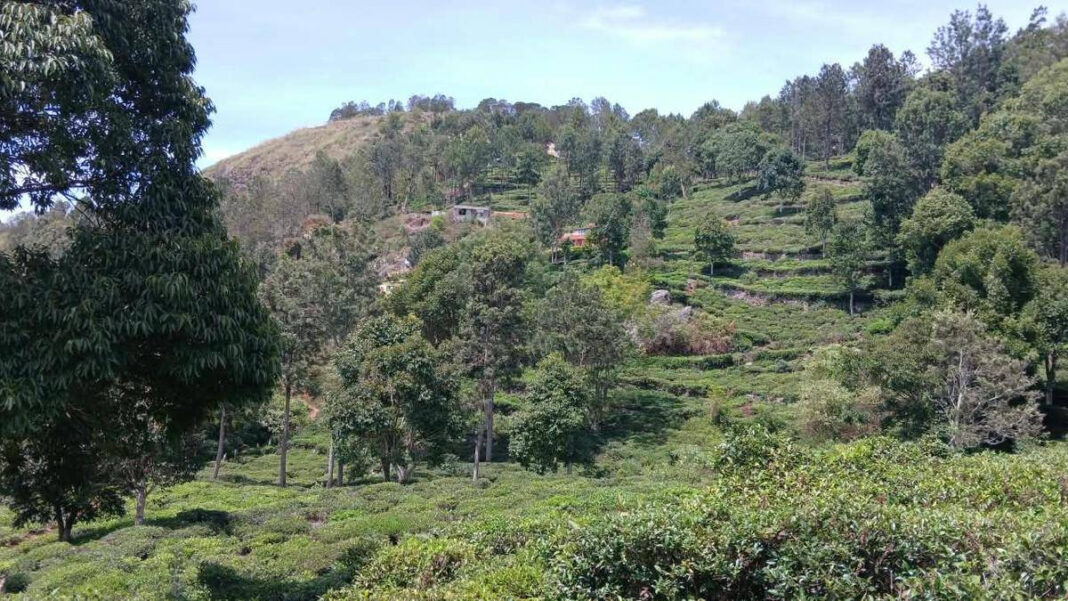
In the scenic hills of Nilgiris, a 40-year-old demand for a proper road to a Scheduled Caste village has reignited tensions among local communities. The issue encapsulates the ongoing struggles of marginalized groups in India and highlights the complexities of social dynamics in the region. As the need for infrastructural development clashes with historical grievances, the situation has escalated, revealing underlying communal rifts that threaten the fragile fabric of social harmony.
Background
The Nilgiris district, often celebrated for its lush landscapes and diverse ethnic communities, is home to many Scheduled Caste villages that have historically faced neglect in terms of infrastructure and services. The village in question, which has been demanding proper road access for four decades, encapsulates the frustrations of a community that has long felt marginalized.
The road, which would connect the village to essential services such as healthcare, education, and commerce, has been the focal point of a sustained struggle by residents. Despite numerous petitions, protests, and appeals to local authorities over the years, progress has been slow, leading to mounting frustration and a sense of abandonment among the village’s residents.
The Current Situation
Recently, the demand for the road gained renewed attention, primarily due to the urgent needs of the community exacerbated by natural calamities and a recent surge in population. In response to the increasing calls for action, local politicians and governmental agencies began to take notice. However, the issue quickly became entangled in a broader communal context, with various groups viewing the road as a symbol of identity and rights.
Tensions escalated when members from different communities began to express conflicting claims over the ownership and use of the land necessary for the road’s construction. Allegations of favoritism, neglect, and historical injustices emerged, leading to protests from both sides. What began as a demand for basic infrastructure morphed into a complex socio-political struggle, with the road representing broader issues of social equality, indifference, and historical resentment.
Communal Rifts and Historical Context
Underlying the current tensions are historical grievances rooted in caste discrimination and socio-economic inequality. The Scheduled Caste community has fought for basic rights and representation for generations, often feeling sidelined by more dominant groups. The struggle for the road thus becomes not only a quest for accessibility but also an assertion of dignity and recognition.
Conversely, some local communities view the push for the road as a threat to their socio-political standing. As historical hierarchies are challenged, fears of losing influence can ignite communal sentiments, leading to a heightened sense of division.
These dynamics are exacerbated by the rise of identity politics, where issues of caste and community become intertwined with broader electoral agendas. Political parties seeking to leverage communal identities for votes can inadvertently stoke tensions, further complicating an already sensitive situation.
Conclusion
The 40-year demand for a road to a Scheduled Caste village in Nilgiris exemplifies the complex interplay of socio-economic development, communal identity, and historical inequalities in India. With the potential for rising tensions, local authorities must navigate this multifaceted issue carefully.
Promoting dialogue, fostering mutual understanding, and facilitating inclusivity in decision-making processes are crucial steps towards resolving the conflict. Ensuring that marginalized voices are heard, respected, and integrated into development projects can help bridge communal divides and promote a more equitable future for all communities in Nilgiris.
As the situation unfolds, it remains a pertinent reminder of the critical need for infrastructural development to be coupled with social justice to ensure that no community is left behind in India’s quest for progress.