 "
/>
"
/>

Outsiders Buying Land in Srinagar: A Concern for Demographic Changes
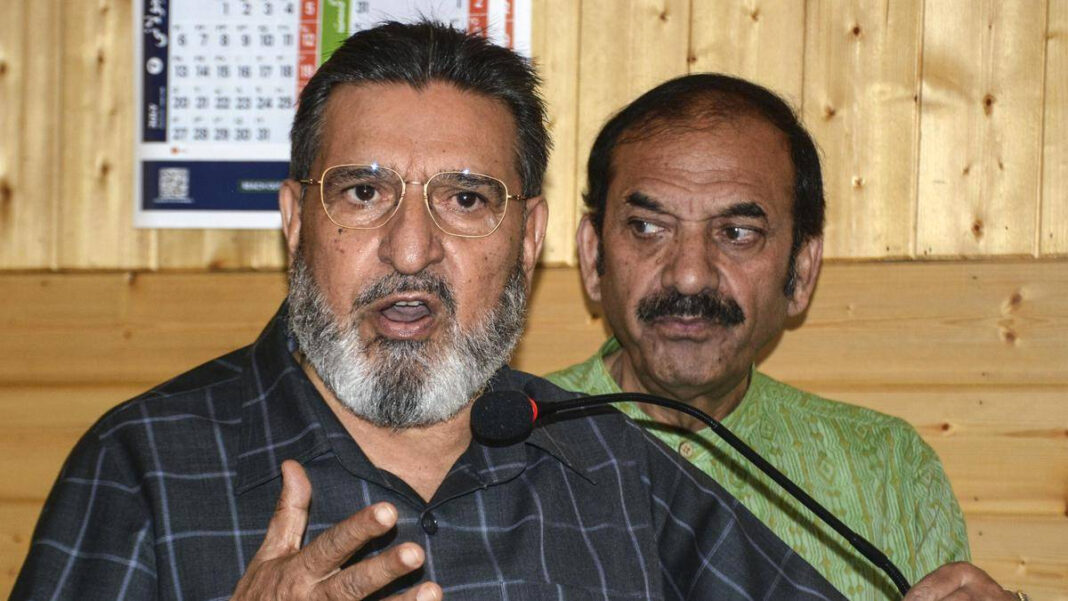
In recent months, the scenic town of Srinagar, nestled amidst the picturesque landscapes of Jammu and Kashmir, has become a focal point for a heated debate regarding land ownership and demographic changes. Altaf Bukhari, former education minister and leader of the Apni Party, has voiced urgent concerns about the influx of outsiders purchasing land in the region. He argues that this trend poses a significant threat to the local demographic fabric and calls for accountability in land transactions to preserve the identity and heritage of Srinagar.
The Context of Land Purchases
Srinagar, known for its stunning gardens, historic lakes, and vibrant culture, has always held a unique position in the heart of Kashmir. However, the changing political landscape in the region has attracted attention from investors and individuals from outside Jammu and Kashmir, leading to a rise in land purchases. This trend has sparked fears among local populations about potential demographic shifts and cultural dilution, exacerbating existing tensions in a region already grappling with a complex socio-political identity.
Demographic Concerns
Altaf Bukhari’s statements highlight a pressing issue: the demographic changes resulting from these land acquisitions may alter the cultural and social fabric of Srinagar. For many locals, the fear is not just about economic competition or land prices but a deeper concern about losing their identity and heritage. The demographic balance of the area, which has historically been shaped by its local populace, could be disrupted, leading to social tensions and a possible marginalization of native communities.
Bukhari emphasizes that maintaining demographic integrity is critical for the region’s stability. He advocates for a transparent approach to land sales, where strict regulations are put in place to oversee transactions involving outsiders. Such measures aim to ensure that the interests of local residents are protected and that the cultural landscape of Srinagar remains intact.
Accountability and Regulation
To address these concerns, Bukhari calls for the implementation of stringent policies governing land acquisition. He suggests that any sale of land to non-residents should undergo a rigorous vetting process, ensuring that the purchasing entities respect local customs, culture, and living conditions. Additionally, there should be a clear framework to hold buyers accountable for their impacts on the local environment, economy, and demography.
This proposed accountability extends beyond just land transactions. Bukhari is advocating for community engagement and participation in decision-making processes related to land use and development in Srinagar. By empowering local voices, the community can collectively contribute to preserving the essence of their homeland while responsibly managing developmental needs.
The Bigger Picture
Bukhari’s concerns are also reflective of broader issues facing many regions worldwide where land grabs and demographic shifts threaten indigenous communities. It raises questions about sovereignty, ownership, and community rights that resonate beyond Jammu and Kashmir.
As Srinagar stands at this crossroads, the dialogue about land rights, accountability, and demographic preservation becomes increasingly vital. The emphasis should be not only on protecting existing rights but also on fostering inclusivity and sustainable development that respects the needs of both locals and newcomers.
Conclusion
The plea laid out by Altaf Bukhari for accountability in land transactions is a crucial reminder of the delicate balance between development and cultural preservation. As Srinagar navigates the pressures of modernity and investment, it becomes essential to prioritize the voices of its residents. Through careful regulation and community involvement, it is possible to safeguard the character and integrity of this cherished region, ensuring that its future remains bright while honoring its past.