
 "
/>
"
/>

Title: Pulicat Fishermen Urge Tamil Nadu and Andhra Governments to Demarcate Fishing Grounds Using GPS Technology
In a significant call for action, fishermen from the Pulicat region are urging the governments of Tamil Nadu and Andhra Pradesh to work collaboratively in demarcating fishing grounds using GPS technology. This pressing plea comes amid rising concerns over overfishing, environmental degradation, and the sustainable management of marine resources in one of India’s largest brackish water lagoons.
A Rich Marine Habitat at Risk
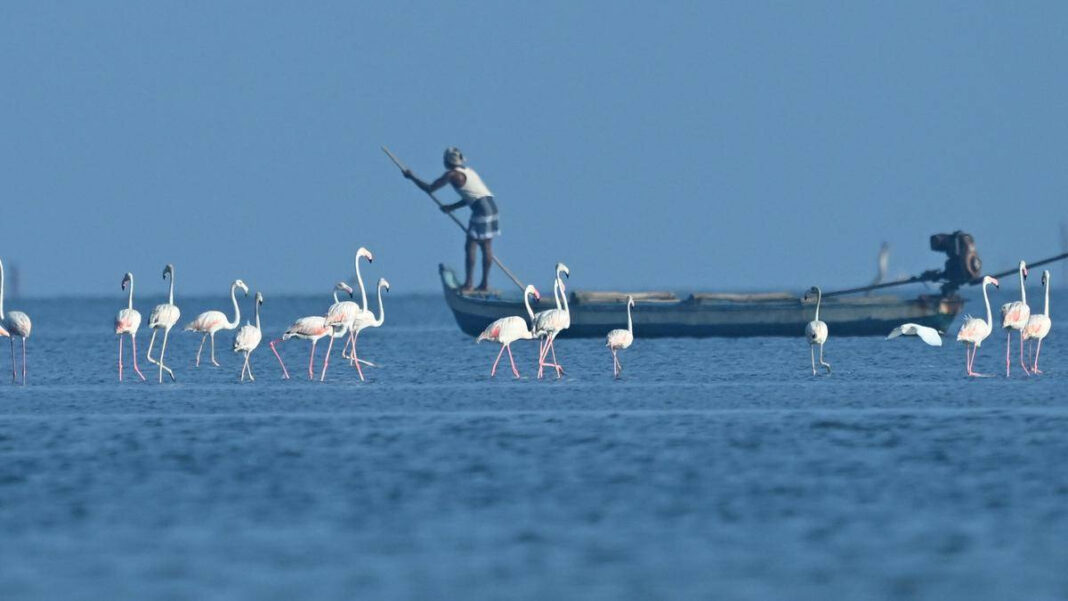
Pulicat Lake, spanning the border of Tamil Nadu and Andhra Pradesh, is not only a vital ecosystem but also a critical source of livelihood for thousands of fishermen in the region. The lake supports diverse fish species and migratory birds, making it an ecologically rich area. However, rapid population growth, unsustainable fishing practices, and industrial encroachments have begun to threaten this delicate balance.
Fishermen in the region have long faced the challenge of overlapping fishing territories and conflicts with aquaculture operations. The absence of clearly demarcated fishing zones has led to tensions among local fishing communities and has exacerbated issues like overfishing.
The Need for Technological Intervention
As a solution, local fishermen have advocated for the use of Global Positioning System (GPS) technology to accurately map out fishing grounds. GPS can provide precise coordinates for designated fishing zones, enabling better management of fishing activities. This modern approach would not only help in reducing conflicts among fishermen but also aid in implementing sustainable fishing practices, ensuring the longevity of marine resources.
Fishermen’s groups are calling for joint initiatives between the two state governments to create a comprehensive fishing plan that includes input from local communities, experts, and environmentalists. The integration of GPS technology would facilitate an organized approach to fishing, preventing illegal fishing and over-exploitation of fish stocks.
Collaborative Governance for Sustainable Fishing
Government collaboration is crucial in addressing the challenges faced by Pulicat fishermen. By demarcating fishing areas with input from stakeholders, both states can promote responsible fishing practices that secure the livelihoods of fishermen while protecting the lake’s biodiversity. Such governance can enhance the regulation of fishing efforts, making it easier for authorities to oversee compliance and penalize violations.
Moreover, GPS mapping could serve as a tool for monitoring the health of fish populations, as data collected can inform scientific assessments and conservation efforts. With climate change posing new challenges to marine ecosystems, the need for adaptive management strategies has never been clearer.
A Call for Action
The call from Pulicat fishermen to state governments signifies a growing awareness of the need for sustainable practices in fisheries management. As India focuses on improving the livelihoods of its coastal communities, incorporating modern technology solutions can prove beneficial in achieving long-term sustainability.
In response to this demand, government officials have begun consultations with stakeholders to explore how GPS technology can be integrated into existing frameworks. However, the fishermen believe that more urgency is needed to ensure collaborative efforts lead to tangible outcomes.
Conclusion
The story of Pulicat fishermen reflects larger issues facing coastal communities around the world. As they advocate for the use of GPS technology to demarcate fishing grounds, they embody the essential struggle for sustainable livelihoods and environmental stewardship. The response from Tamil Nadu and Andhra Pradesh will be critical in shaping the future of the Pulicat Lake ecosystem and supporting the communities that rely on it. With collaboration and modern technology, a sustainable and equitable future for fishing in this rich ecological landscape is within reach.