 "
/>
"
/>

Child Rights Panel Seeks Report on Measles Deaths in Malappuram, Kerala
In a pressing call to action, the Kerala State Commission for Protection of Child Rights (KSCPCR) has sought an urgent report regarding the recent measles deaths in Malappuram district, highlighting the critical need for an effective public health response. The commission’s intervention comes amid growing concerns about the resurgence of vaccine-preventable diseases in India, with measles ranking prominently due to its high transmissibility and associated complications.
The Context
Malappuram, a district that has been grappling with public health challenges, is now facing heightened scrutiny following reports of several measles fatalities among children. These deaths have raised alarm bells, prompting the child rights panel to investigate the circumstances surrounding these cases. The KSCPCR’s directive reflects a broader commitment to ensure that children’s health and safety are prioritized, especially in light of India’s ambitious initiatives towards universal healthcare and child welfare.
The Health Crisis
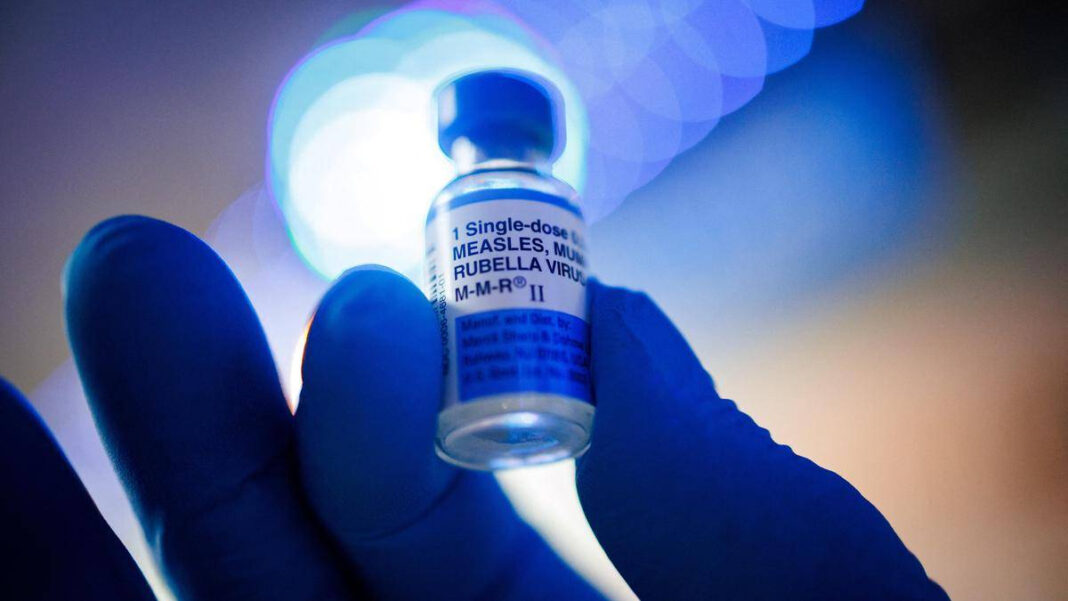
Measles is a highly contagious viral disease that can have severe consequences, particularly for young children whose immune systems are still developing. The disease can lead to complications such as pneumonia, encephalitis, and death. Vaccination remains one of the most effective ways to prevent measles, yet the recent fatalities in Malappuram underscore a troubling trend of vaccine hesitancy and gaps in immunization coverage.
As per reports, many parents in the district may have opted against vaccinating their children due to misinformation, fear of side effects, or lack of access to healthcare services. This has resulted in a susceptible population, increasing the likelihood of outbreaks. The KSCPCR’s demand for a report aims to understand the extent of these challenges and measure the state’s response to control the outbreak effectively.
The Commission’s Expectations
The KSCPCR has outlined specific areas of inquiry for the report, including:
-
Epidemiological Data: An analysis of the number of measles cases and deaths reported in Malappuram, including demographic details of affected children.
-
Vaccination Rates: A breakdown of immunization coverage among the children in the district, including any discrepancies in vaccination outreach efforts.
-
Healthcare Infrastructure: An evaluation of the local healthcare facilities, their capability to handle outbreaks, and the availability of essential vaccines.
-
Public Awareness Campaigns: An assessment of existing public awareness programs about the importance of vaccination and the dangers of measles.
- Government Response: Details of the state government’s actions following the outbreak, including any immediate measures taken to provide care to affected children and prevent further transmission.
The Call for Action
The rising incidences of measles deaths not only pose a threat to child health but also reflect systemic weaknesses in the healthcare system. The KSCPCR emphasizes that a robust response is necessary to address this public health crisis. Engaging with communities to improve vaccination rates, countering misinformation, and strengthening healthcare infrastructure are crucial steps that need urgent attention.
Moreover, the commission’s concern aligns with global health goals advocating for the elimination of measles outbreaks and promoting child rights through health equity. As India navigates complex challenges in public health, the ongoing situation in Malappuram serves as a reminder of the fragility of advancements in child health and the persistent gaps that must be addressed.
Conclusion
The KSCPCR’s request for a detailed report on the measles deaths in Malappuram provides a vital opportunity to reassess and reinforce health policies aimed at protecting children. In an era where vaccine-preventable diseases are resurging, the lessons learned from this outbreak must guide future strategies to ensure that every child is protected against preventable diseases. The health and well-being of children must remain at the forefront of public health initiatives, promoting a future where child rights, including the right to health, are upheld with unwavering commitment.