 "
/>

CEC Row: CPI(M) General Secretary M.A. Baby Advocates for Broader Opposition Unity with INDIA Bloc-Plus
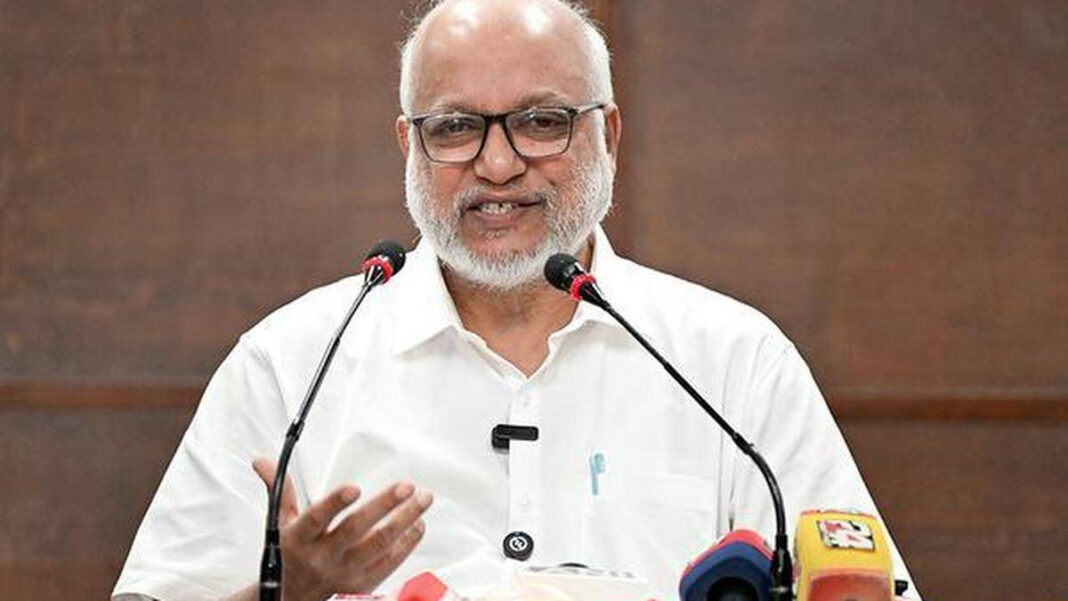
In a significant political maneuver, M.A. Baby, the General Secretary of the Communist Party of India (Marxist) (CPI(M)), has called for a united front among opposition parties as the 2024 General Elections loom large. Baby’s push for an “INDIA Bloc-Plus” has garnered attention against the backdrop of internal discord within the opposition camp, particularly concerning the Congress party and the Indian National Developmental Inclusive Alliance (INDIA).
The Need for Opposition Unity
In a recent press conference, Baby emphasized the imperative of consolidating opposition forces to challenge the ruling Bharatiya Janata Party (BJP) in the upcoming elections. He articulated that the current political climate in India, characterized by rising authoritarianism and economic inequality, necessitates a robust and unified opposition. “We cannot afford to be fragmented at this juncture,” Baby stated. “The people are looking for alternatives, and it is our duty to provide them with a credible and united front.”
Baby’s call for an “INDIA Bloc-Plus” seeks not only to bring together existing members of the INDIA alliance but also to invite other regional parties and potential allies who are committed to progressive and secular policies. This expanded coalition could potentially include parties such as the Dravida Munnetra Kazhagam (DMK), the Jharkhand Mukti Morcha (JMM), and various left-leaning regional parties that have historically been at odds yet share core values of social justice and economic equity.
Challenges within the Opposition
The call for a broader alliance comes at a time when the opposition has been grappling with significant challenges. Discontent within the ranks of various parties has surfaced, particularly concerning seat-sharing agreements and competing political narratives. In recent months, there has been rising tension between the Congress party and its regional allies, with conflicting strategies and projected leadership becoming points of contention.
Baby’s proposal seeks to transcend these fractures by establishing a common platform focused on electoral strategy, policy alignment, and the collective vision of governance that resonates with the electorate. “To effectively challenge the BJP’s hegemony, we must set aside our differences and unite under a shared vision that prioritizes the needs of the common people,” he urged.
Gain Public Trust
For Baby, the revitalization of the opposition is not just about electoral strategy but also about regaining public trust. As the CPI(M) has experienced challenges in recent elections, Baby underscored the importance of grassroots mobilization and communication. He proposed a series of public forums to discuss pressing issues such as unemployment, environmental degradation, and social disparities—a move seen as an attempt to reconnect with the electorate.
Crucially, Baby stressed the need for transparent communication between opposition leaders and the public to avoid the pitfalls of traditional political rhetoric. “We need to communicate not just our critiques of the government but also our vision for an inclusive and equitable India,” he remarked.
Possible Implications
If M.A. Baby’s vision for an INDIA Bloc-Plus gains traction, it could reshape the political landscape in India ahead of the 2024 elections. An expansive and cohesive opposition could challenge the BJP’s narrative and mobilize a diverse voter base disillusioned by rising prices, shrinking jobs, and polarizing politics.
However, the success of this initiative hinges on the willingness of various political actors to put aside their reservations and collaborate for the larger goal of opposing the current regime. The road ahead is fraught with challenges, but as M.A. Baby articulates, the urgency for unity among opposition parties has never been clearer.
In conclusion, M.A. Baby’s thrust for broader opposition unity via the proposed INDIA Bloc-Plus is both a strategic electoral move and a call to arms for a more collaborative political approach. As the countdown to the elections begins, the effectiveness of such alliances and the parties’ commitment to a united front will be pivotal in shaping India’s future political landscape.