 "
/>
"
/>

Parched Rites
From Idol Immersions to Funeral Rites: Maharashtra Faces the Drought Pinch
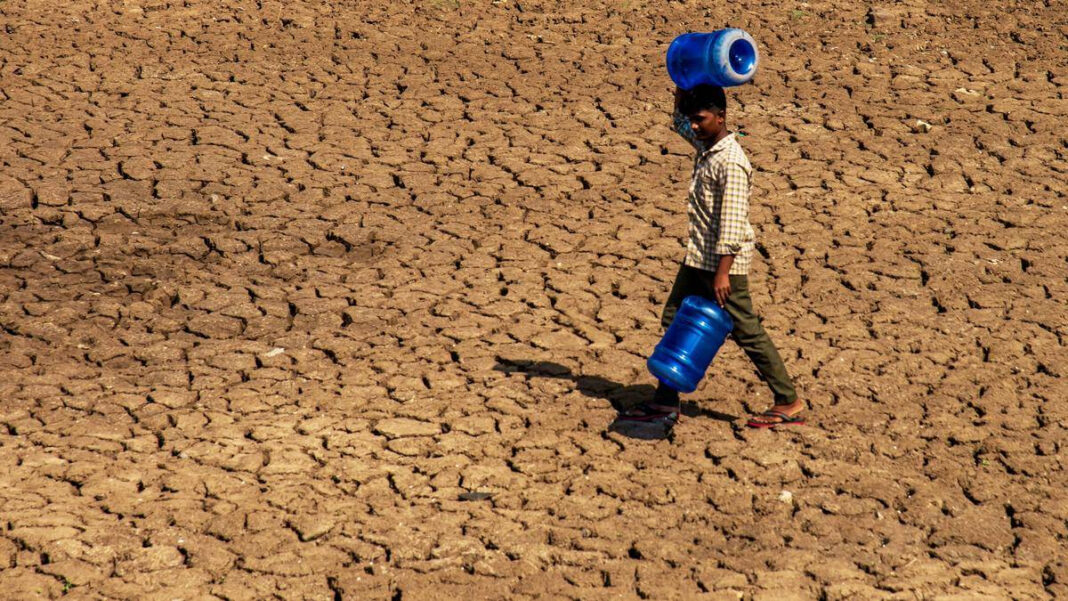
Maharashtra, the second-most populous state in India, is known for its vibrant culture, diverse festivals, and agricultural richness. However, the state is currently grappling with severe drought conditions that have cast a long shadow over these very aspects of its society. From the emotional moments of idol immersions during Ganesh Chaturthi to the solemnity of funeral rites, the drought is affecting the state’s traditions, livelihoods, and emotional well-being.
The Impact on Agricultural Practices
Maharashtra’s economy is heavily dependent on agriculture, with a significant portion of its population engaged in farming. The state has witnessed erratic rainfall patterns over the last few years, exacerbated by climate change and inadequate water conservation practices. The drought has resulted in failed crops, leading to reduced incomes for farmers and, in some tragic instances, increased farmer suicides.
The lack of water has not only hampered the growing of staple crops like millet and jowar but has also impacted more lucrative crops such as sugarcane and cotton. As farmers face mounting debts and dwindling resources, they are forced to make heart-wrenching decisions about their agricultural practices and, in some cases, their very existence.
Idol Immersions: A Culturally Rich Yet Water-Intensive Tradition
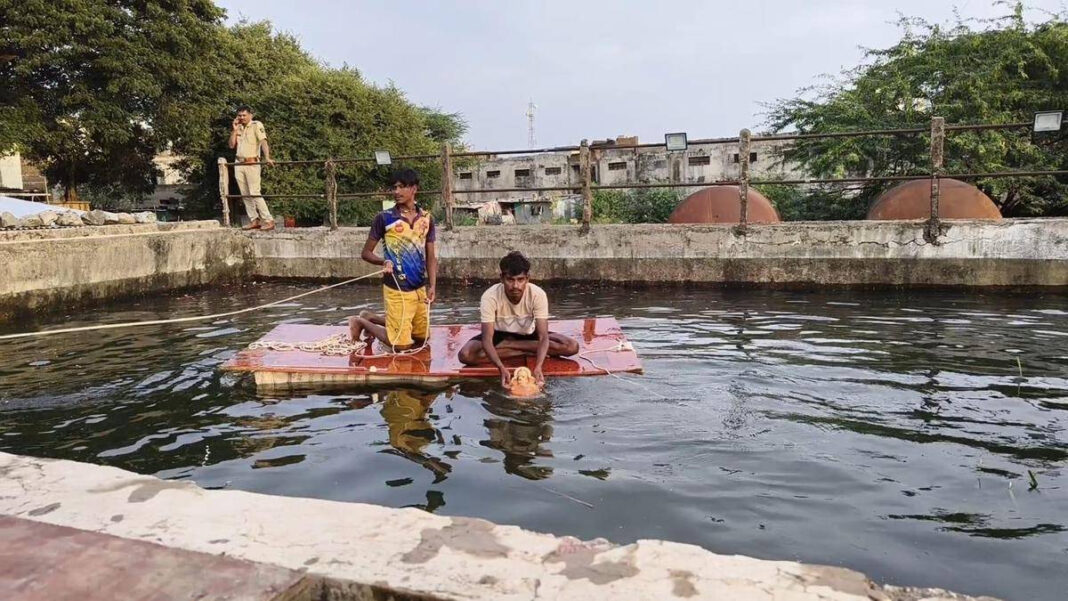
Traditionally, the immersion of Lord Ganesha idols marks the end of the Ganesh Chaturthi festival. Thousands of devotees flock to rivers and beaches to bid farewell to the deities. However, this year, many have been confronted with stark realities as water bodies across Maharashtra are at remarkably low levels.
Despite the cultural significance of these immersions, activists and environmentalists are urging the community to rethink this ritual. Increasing awareness about the adverse effects of immersing non-biodegradable idols and the associated pollutants on already stressed water bodies is gaining traction. The arguments are strong: to preserve the water resources that are dwindling alarmingly, we may have to adapt our customs.
This year, many communities have explored alternatives such as clay idols and local immersion sites that do not further strain the region’s water supply. However, the pull of tradition remains strong, leaving many caught in the crossfire between custom and conservation.
Funeral Rites in Water-Scarce Regions
The implications of the drought extend beyond festivities to the solemn aspects of life, including funeral rites. In various communities across Maharashtra, access to water for last rites is becoming increasingly challenging. Traditionally, water is essential for cleansing rituals and other practices associated with death and mourning.
With rivers drying up, families face immense grief not only from their loss but from the logistical difficulties surrounding last rites. This trend has forced a re-evaluation of customary practices, bringing about new conversations on how communities cope with such reality. Some families have turned to alternatives such as burying instead of cremating, or seeking out sources of water at considerable distances, which adds to their emotional and financial burdens.
The Government’s Response
In response to the worsening drought conditions, the Maharashtra government has initiated various steps to mitigate its effects. Programs aimed at improving water conservation techniques, promoting rainwater harvesting, and incentivizing drought-resistant crops are being rolled out. However, the implementation has been met with challenges, including bureaucratic inertia and a lack of awareness among farmers regarding sustainable practices.
In the wake of increasing water scarcity, there is an urgent need for innovative approaches that combine traditional knowledge with modern practices. The government and various NGOs are conducting workshops and campaigns aimed at promoting sustainable farming practices, which not only address the immediate crisis but also work towards long-term solutions.
Conclusion
The drought in Maharashtra serves as a poignant reminder of the delicate balance between culture, tradition, and the pressing demands of the natural environment. As the state navigates the dual challenges of preserving invaluable customs while grappling with a climate crisis, it is becoming increasingly clear that adaptability and innovation will be paramount. The resilience of the people of Maharashtra shines through in their continued efforts to hold onto their traditions, even as they redefine them in the face of hardship. Only through collaboration, education, and sustainable practices can Maharashtra hope to mitigate the effects of drought and secure a viable future for generations to come.