 "
/>
"
/>

Exploring Ways of Seeing
Uncovering the Essence of Phulkari
The Memories of Textiles
Exploring the Art of Phulkari: A New Exhibition in Delhi Celebrates This Traditional Craft
Delhi, with its vibrant cultural tapestry, often serves as a hub for artistic exhibitions that showcase India’s rich heritage. One such remarkable event currently taking place is a new exhibition dedicated to phulkari, the traditional Punjabi embroidery known for its intricate patterns and vivid colors. This exhibition not only revisits the artistry of phulkari but also highlights its evolution and the various forms it has taken over the years.
The Essence of Phulkari
Phulkari, which translates to “flower work,” originated in the Punjab region of India and has been practiced for centuries. Characterized by its use of vibrant threads to create floral and geometric designs on fabric, phulkari is not just a form of embroidery; it is a narrative. Each stitch tells a story of culture, tradition, and community, often reflecting the life events and emotions of the women who create them. Historically, phulkari was used to adorn the garments worn during special occasions, accompanying brides during weddings or marking festivals.
A Celebration of Diversity
The exhibition in Delhi dives deep into the different facets of phulkari, showcasing its many forms, including the popular Bagh, Chitta, and Shisha varieties. Each style carries unique characteristics and cultural significance. Bagh, for example, is known for its dense floral patterns covering the entire fabric, while Chitta features lighter, often more intricate designs in vibrant colors. Shisha, on the other hand, incorporates mirror work, adding an extra layer of brilliance to the embroidery.
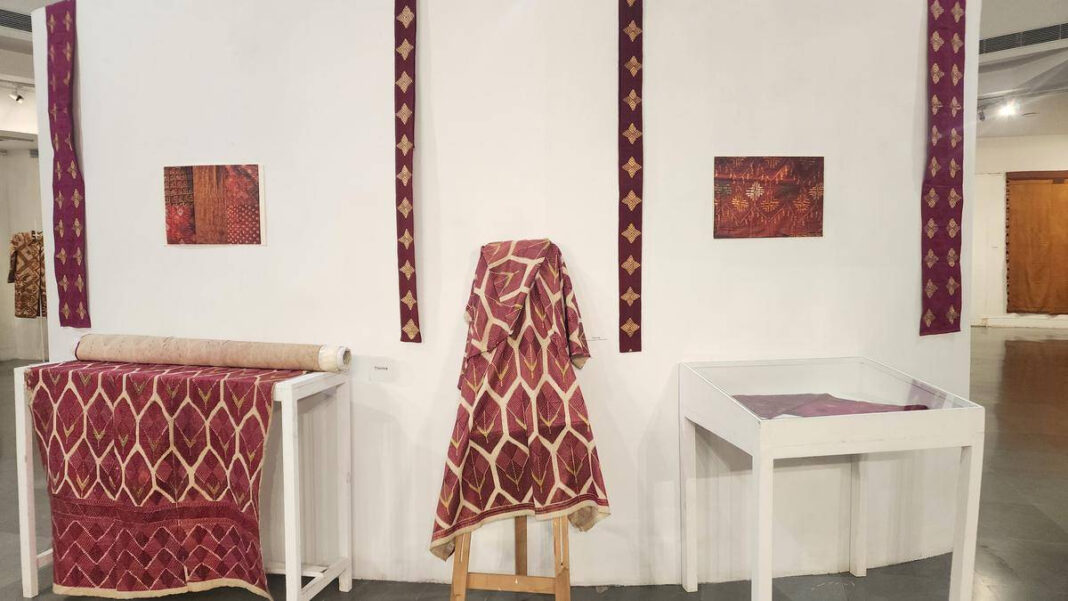
Through a curated collection of phulkari pieces—ranging from traditional shawls and dupattas to contemporary adaptations—the exhibition allows visitors to experience the richness of this craft firsthand. The incorporation of modern designs alongside traditional works also sparks conversations about the future of phulkari in an ever-changing fashion landscape.
Reviving Traditional Crafts
As artisans face challenges from fast fashion and mass production, exhibitions like this one play a crucial role in reviving interest in traditional crafts. The organizers have collaborated with local artisans, highlighting their techniques and stories, thus fostering a sense of appreciation for their skills and the importance of preserving these age-old practices. Workshops and live demonstrations of phulkari embroidery have also been organized, allowing attendees to learn about the craft’s intricate techniques and history, furthering engagement.
Cultural Dialogue and Community Empowerment
The exhibition goes beyond aesthetics; it fosters cultural dialogue and community empowerment. By bringing together artisans, artists, and visitors, it creates an interactive platform where experiences and stories are shared. Panel discussions include topics on the socio-economic impact of traditional crafts, the importance of sustainable fashion, and the role of gender in the craft community, underlining how phulkari is intertwined with the lives of women.
Conclusion
This exhibition is a beautiful tribute to the art of phulkari, inviting visitors to delve into the depths of a tradition that is as much about craftsmanship as it is about culture. As Delhi embraces this vibrant display of embroidery, it serves as a reminder of the enduring legacy of phulkari and the vital need to preserve and promote our cultural heritage. Whether you’re an art enthusiast, a fashion aficionado, or simply curious about the rich traditions of India, this exhibition promises to be an enlightening experience that celebrates the beauty of phulkari in all its forms.