
AI Should Complement Radiologists: Insights from AIIMS-Mangalagiri Chief at AP IRIA Conference
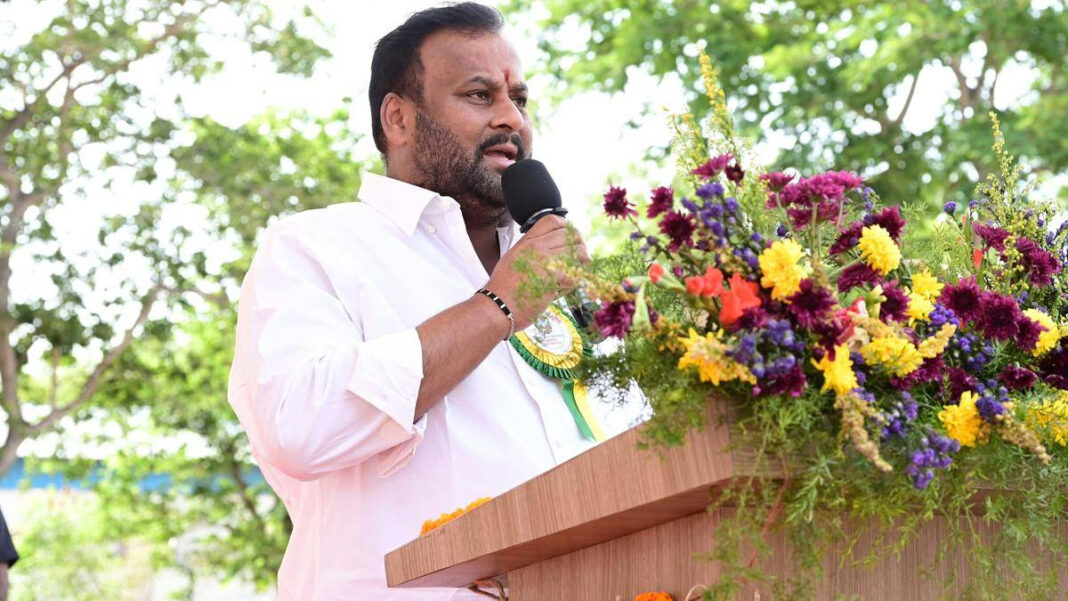
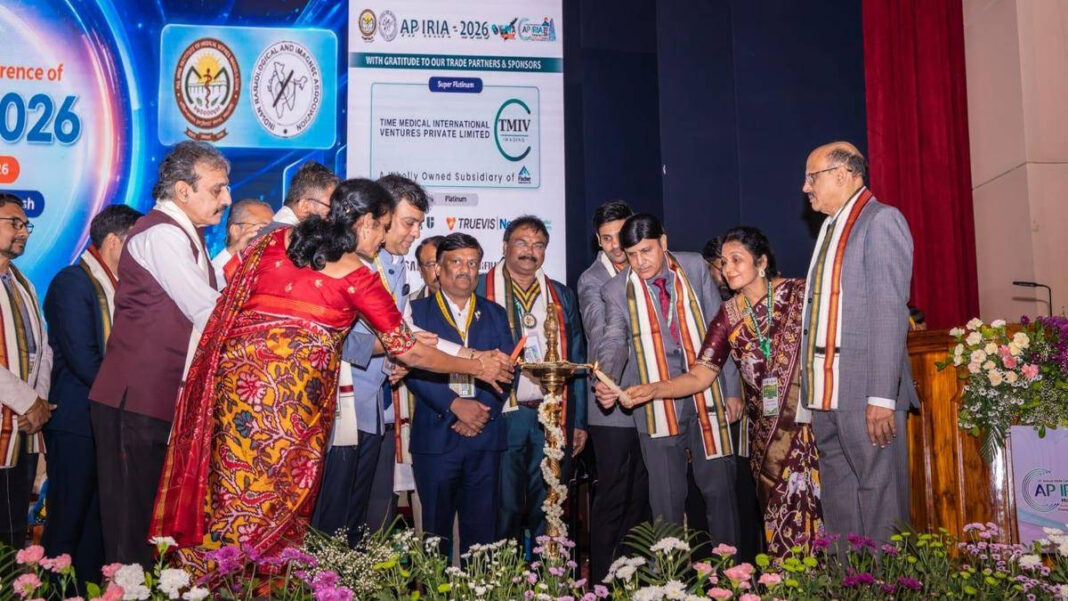
In recent years, the integration of artificial intelligence (AI) into healthcare has sparked significant debate and discussion, especially in fields such as radiology. At the recent Andhra Pradesh Indian Radiological and Imaging Association (AP IRIA) conference, Dr. Ramesh Kumar, the Chief of Radiology at AIIMS-Mangalagiri, emphasized the importance of AI as a complement to radiologists rather than a replacement. His insights sparked an engaging dialogue about the future of radiology in the age of technology.
The Role of AI in Radiology
AI technologies, particularly machine learning and deep learning, have shown immense potential in analyzing medical images. They assist in detecting abnormalities in X-rays, MRIs, and CT scans with remarkable accuracy. However, Dr. Kumar highlighted that while these technologies are adept at processing vast amounts of data, they are not equipped to replace the nuanced analysis and clinical judgment that experienced radiologists bring to the table.
“AI can significantly enhance the efficiency of radiologists by streamlining the workflow and reducing time for routine tasks,” Dr. Kumar stated. “However, the final diagnosis and treatment decision should always involve human expertise. AI is a tool—an assistant that augments our capabilities rather than substitutes them.”
Enhancing Patient Care
One of the key points raised during the conference was the role of AI in improving patient care. By automating routine image processing, AI allows radiologists to focus on more complex cases and engage in patient-centric discussions. Dr. Kumar pointed out that with AI handling preliminary analyses, radiologists can dedicate more time to interacting with patients and other medical professionals, ultimately leading to better outcomes.
Moreover, AI algorithms can help identify patterns that may not be immediately visible to the human eye, thus assisting radiologists in making more informed decisions. Dr. Kumar described instances where AI tools have successfully flagged early signs of diseases like cancer, providing patients with timely intervention opportunities.
Training and Skills Development
The introduction of AI into radiology also raises questions about the training and education of future radiologists. Dr. Kumar stressed the importance of incorporating AI-based training in medical curricula to prepare young professionals for a future where technology plays a central role. He advocated for a model of education that combines traditional radiological training with AI competencies.
“It is essential for upcoming radiologists to not only be skilled in imaging techniques but also to understand how to work alongside AI,” he noted. “The future of radiology lies in collaboration—between humans and machines.”
Overcoming Challenges
Despite the promising potential of AI in radiology, there are challenges to address. One significant concern is the ethical implications of AI decision-making in medical contexts. Dr. Kumar pointed out that maintaining transparency in AI algorithms is crucial to ensure trust among medical professionals and patients alike. Furthermore, regulatory frameworks must evolve to keep pace with advancements in technology to ensure patient safety and data privacy.
The Road Ahead
As the AP IRIA conference concluded, Dr. Kumar’s message resonated with many attendees: the integration of AI into radiology presents exciting opportunities but requires a careful approach. Collaboration between technologists and radiologists, ongoing education, and ethical considerations will be critical in unlocking the full potential of AI in healthcare.
In conclusion, AI is poised to transform the landscape of radiology by enhancing the capabilities of radiologists. As Dr. Kumar eloquently put it, “Embracing AI as a complementary force will not only improve diagnostic precision but ultimately, the overall quality of patient care.” The journey ahead is one of partnership between human expertise and technological innovation, heralding a new era in the medical field.