 "
/>
"
/>

Risk of Flooding
Notice for Fishermen
Swell Waves Impact West Coast: Red Alert Issued for Keralam Coast
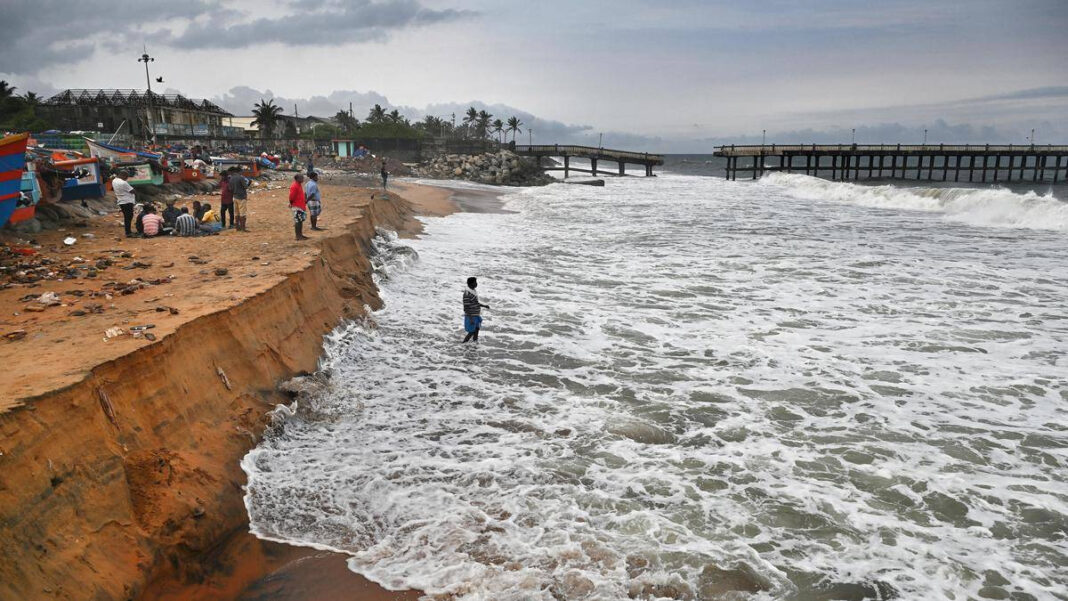
The picturesque west coast of India is currently facing a meteorological phenomenon as powerful swell waves have begun to make their presence felt along the shoreline. This significant swell, resulting from adverse weather patterns in the Arabian Sea, has prompted local authorities to issue a red alert along the Keralam coast, warning residents and tourists to exercise extreme caution.
Understanding the Swell Waves
Swell waves are a series of ocean waves that have traveled from their point of origin and are characterized by their long wavelength and uniformity in height and frequency. Unlike local wind-generated waves, swells can travel vast distances across the ocean, gaining strength and momentum as they come into contact with shallower coastal waters. This phenomenon can lead to exceptionally high waves and dangerous rip currents, a risk that has become a pressing concern for the coastal states of India.
Current Situation on the Keralam Coast
As swell waves reach the Keralam coastline, the state’s Disaster Management Authority has taken proactive measures to ensure the safety of its inhabitants and visitors. The red alert serves as a stark reminder of the potential dangers posed by the rising tide. Fishermen have been advised to refrain from going out to sea, while beachgoers are urged to stay away from the water’s edge, where towering waves can lead to unexpected surges and flash floods.
Local coastal communities have reported unusually high tides and increased wave activity, which can cause damage to beachfront infrastructure and erosion of sandy pathways. In response, the state administration is mobilizing resources to monitor the situation closely, ensuring that emergency services are on standby to assist in case of any untoward incidents.
Response from Authorities
The Kerala State Government, in collaboration with the Indian Meteorological Department (IMD), is closely monitoring the swell patterns and their impact on coastal areas. Alerts and advisories have been disseminated through various channels to keep the public informed. Moreover, local fishermen and coastal residents are being educated about the importance of safety measures during such phenomena.
Rescue teams and lifeguards are being deployed to popular beach destinations to help manage crowds and ensure that visitors heed the warnings. In addition, municipal bodies are reinforcing safety barriers and preparing for potential evacuations in vulnerable areas.
Ecological and Economic Ramifications
While the immediate concern focuses on safety, the long-term implications of such swell waves on the coastal ecosystem could be significant. Increased erosion, alterations in sediment displacement, and potential disturbances to marine habitats are all points of concern for environmentalists. Coastal biodiversity may face threats from both wave intensity and human activity as communities adapt to the changing conditions.
Economically, the fishing industry, a backbone of the coastal economy, is likely to experience disruptions. Fishermen are facing uncertain conditions, and the tourism sector may take a hit as visitors are dissuaded from engaging in water activities.
Conclusion
As the swell waves continue to affect the west coast, particularly the Keralam coastline, the importance of staying informed and prepared cannot be overstated. With authorities on high alert and preventive measures in place, the focus remains on safeguarding lives and minimizing disruption. Residents and visitors alike are encouraged to respect nature’s powerful forces and adhere to safety advisories as they navigate this challenging situation.
The swell serves not only as a reminder of the beauty and might of the sea but also of the responsibility we hold in ensuring our safety and preserving our environment amid natural phenomena.