 "
/>
"
/>

Ukrainian Drones Strike Russian Refineries
Russian Strikes Ignite Fires in Kyiv
At Least 7 Dead as Russia and Ukraine Exchange Strikes: Aerial Warfare Escalates
In a chilling escalation of conflict between Russia and Ukraine, recent reports confirm that at least seven people have lost their lives as both nations ramp up aerial strikes along the frontlines. This renewed wave of hostilities underscores the fragile nature of peace in the region and raises alarms over the potential for further military escalation.
The Current Situation
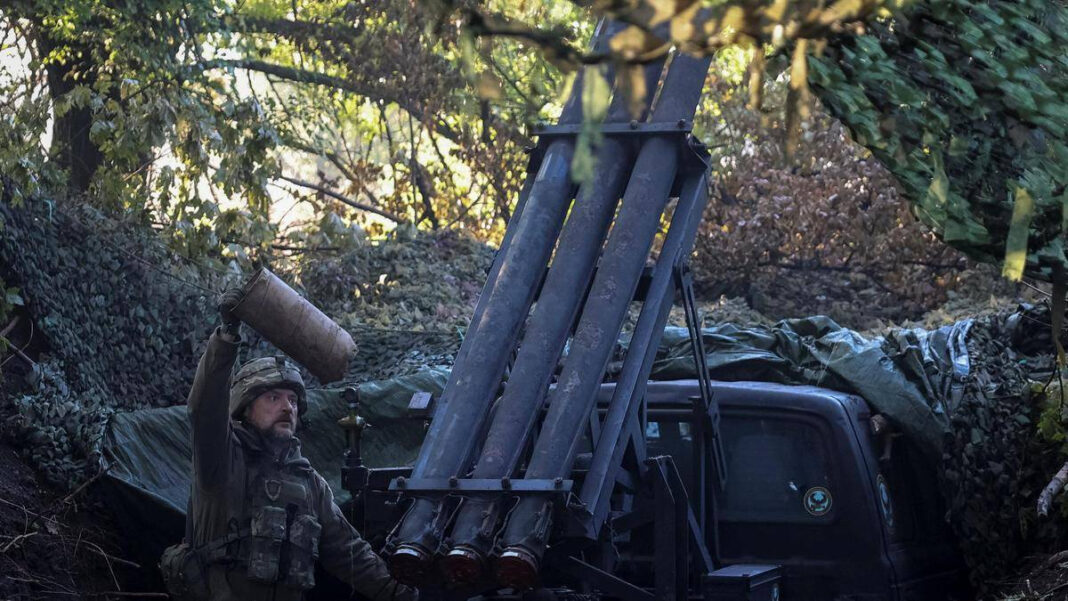
The fighting, which has intensified since the beginning of the year, involves relentless bombardments and ground assaults, with both sides exchanging artillery fire and aerial strikes. Cities and towns along the border have become focal points for the violence, with residential areas frequently caught in the crossfire. Reports indicate that civilian casualties are rising, stoking fears of a humanitarian crisis.
In a recent statement, Ukrainian officials noted a series of Russian strikes on key infrastructure in the eastern regions, alongside attacks on energy facilities that have affected power supply and heating. In retaliation, Ukrainian forces have targeted military installations and supply routes deep inside Russian-held territories.
Impact on Civilians
The human toll of the ongoing conflict continues to escalate. Among those reported deceased are civilians, including a family caught in an aerial strike in a populated neighborhood. Eyewitness accounts describe scenes of devastation—collapsed buildings, injured residents, and a pervasive atmosphere of fear and uncertainty.
Humanitarian organizations have expressed grave concerns over the increased violence, urging both parties to prioritize the safety of civilians and allow for the delivery of much-needed aid. The ongoing strikes lead not only to loss of life but also threaten to disrupt critical supplies of food, medicine, and clean water to war-torn regions.
International Reactions
The international community has responded with calls for restraint from both sides. The United Nations Secretary-General condemned the attacks on civilian infrastructure, urging both Russia and Ukraine to return to the negotiating table. Several countries have reiterated their commitment to supporting Ukraine, calling for diplomacy over continued military confrontation.
Meanwhile, Russia has defended its military actions, framing them as necessary to protect its territorial integrity against what it views as Western-backed aggression through Ukraine. This rhetoric, however, has not quelled growing concerns about the potential for a wider regional conflict.
The Road Ahead
As aerial warfare between Russia and Ukraine intensifies, the prospect of a diplomatic resolution seems further away than ever. While efforts to broker peace have been sporadic and often undermined by renewed violence, the stakes are critically high for both nations and their neighbors.
Many analysts argue that unless meaningful negotiations take place, the cycle of violence will only continue to escalate, leading to more significant loss of life and further destabilization in Eastern Europe. The lingering tensions between the two countries represent not just a localized conflict, but a flashpoint for broader geopolitical tensions that could reverberate across the globe.
With the situation evolving rapidly, the coming days and weeks will be critical in determining whether this latest surge in hostilities will lead to a newly entrenched phase of warfare or inspire urgent diplomatic efforts to secure a tenuous peace. In the meantime, the humanitarian costs of war remain high, as civilians continue to bear the brunt of a conflict that shows no signs of abating.