
 "
/>
"
/>

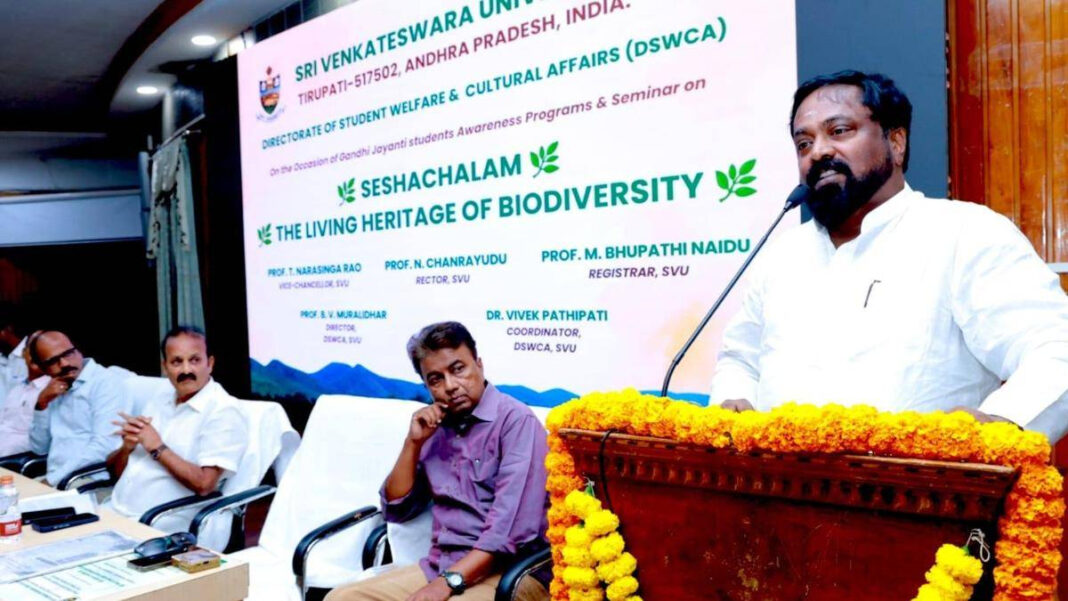
Students Urged to Gain Deeper Understanding of Biodiversity
In an age where climate change and environmental degradation pose significant threats to the planet, educators and environmental scientists are increasingly urging students to deepen their understanding of biodiversity. This foundational aspect of ecological health is more than just a scientific concept; it encompasses the variety of life on Earth, the intricate web of relationships among organisms, and the ecosystems that support them. By gaining a better understanding of biodiversity, students can become informed stewards of the environment, equipping themselves with the knowledge needed to face the challenges of a rapidly changing world.
The Importance of Biodiversity
Biodiversity refers to the variety of living organisms, including plants, animals, fungi, and microorganisms, and the ecosystems they form. It is crucial for several reasons:
-
Ecosystem Services: Biodiversity supports essential ecosystem services such as pollination, nutrient cycling, and climate regulation. These services are vital for food production, clean water, and air quality.
-
Resilience to Change: Ecosystems rich in biodiversity are more resilient to changes and stresses, such as climate extremes and invasive species. This resilience helps maintain balance and health in ecosystems.
-
Cultural and Aesthetic Value: Biodiversity enriches cultures around the world, inspiring art, beliefs, and traditions. It also provides recreational opportunities that enhance quality of life.
- Research and Innovation: A deeper understanding of biodiversity can spark scientific discovery and innovation, leading to advancements in medicine, agriculture, and technology.
The Role of Education
To address the declining state of biodiversity, education plays a pivotal role. Teachers and educational institutions are called upon to instill a sense of appreciation for biodiversity among students. Here are several strategies to enhance this understanding:
-
Curriculum Integration: Biodiversity concepts should be integrated across various subjects, including science, geography, and social studies. This interdisciplinary approach helps students understand the interconnectedness of life on Earth.
-
Field Studies and Outdoor Learning: Hands-on experiences in natural settings foster a deeper connection to the environment. Field trips, nature walks, and local conservation projects can create lasting memories and spark interest in biodiversity.
-
Community Involvement: Engaging students in local conservation efforts can empower them to make a difference. Projects like habitat restoration and wildlife monitoring provide practical skills and reinforce the importance of biodiversity to local ecosystems.
- Digital Learning Resources: With the growth of technology, online platforms and virtual experiences offer students unique opportunities to explore biodiversity from around the globe. Interactive simulations and virtual reality can bring ecosystems to life, making learning more engaging.
Promoting Advocacy and Action
Beyond understanding biodiversity, students are encouraged to take action. Advocacy for environmental protection and sustainability can start at a young age. Students can participate in:
- School clubs focused on environmental issues: These groups can organize awareness campaigns, clean-up drives, and tree-planting initiatives.
- Advocacy for policy change: Engaging with local leaders and policymakers can amplify their voices and promote measures to protect ecosystems and species.
- Environmental Science Projects: Research initiatives can help students contribute to the scientific understanding of biodiversity, encourage critical thinking, and develop problem-solving skills.
Conclusion
As global citizens, students today bear the responsibility of protecting the biodiversity that sustains life on Earth. By gaining a deeper understanding of biodiversity and actively participating in conservation efforts, they can work towards a more sustainable future. Educators, parents, and communities must collaborate to create an environment where learning about biodiversity is celebrated and encouraged. Only through a comprehensive understanding and deep appreciation for the variety of life around us can we hope to protect it for future generations.