
 "
/>
"
/>

Limitations of AI Monitoring
AI Camera Mishaps: When Technology Misses the Mark in Bengaluru
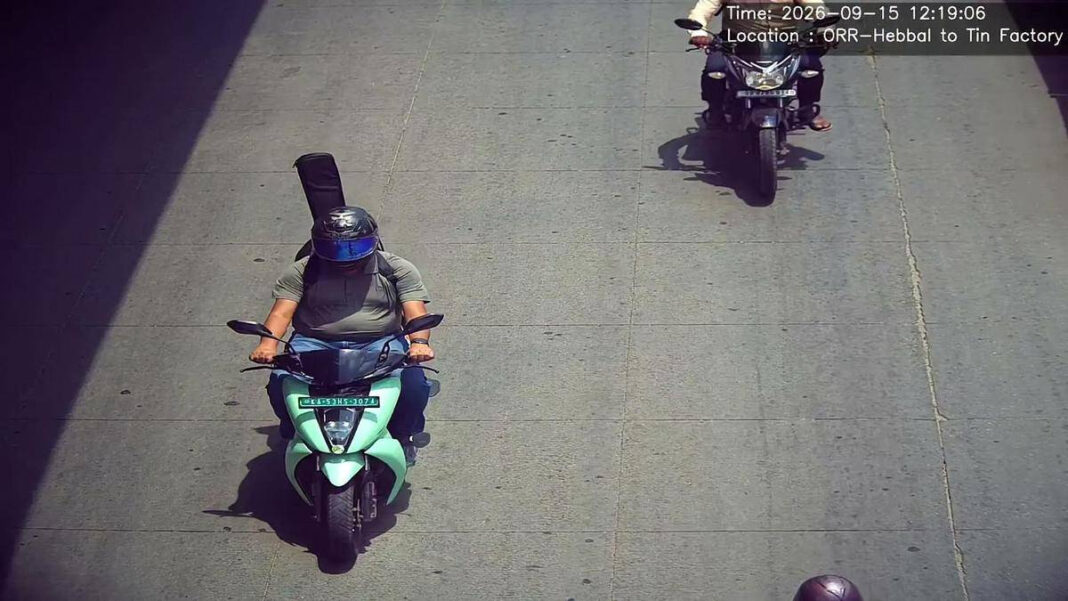
In recent years, Bengaluru has seen a surge in the use of AI-driven camera systems to enhance road safety and monitor traffic violations. These intelligent cameras, equipped with facial recognition and license plate recognition capabilities, aim to provide a more efficient means of enforcing traffic laws. However, there have been notable instances where these AI systems have misidentified or misrecorded certain situations, leading to unwarranted penalties for motorists, particularly for pillion riders on two-wheelers.
The Burden of Misidentification
One of the most perplexing issues arising from the use of AI cameras is the misidentification of violations, particularly concerning helmet usage. In Bengaluru, the law mandates that both the rider and the pillion (the person riding on the back) wear helmets. However, AI cameras can sometimes mistake the presence of a helmet or make errors in recognizing whether a person is wearing one.
In several reported cases, pillion riders have received fines for not wearing helmets, even when they were compliant. This often occurs when the AI camera system erroneously interprets the scene due to factors such as angle of capture, poor lighting, or obscured views. Such mistakes not only create unnecessary financial burdens for the riders but also foster a sense of distrust in the technology that is supposed to enhance road safety.
The Human Element and AI Limitations
While AI technology has made significant leaps forward, it is essential to acknowledge its limitations. The complexity of real-world situations can be challenging for AI systems to navigate flawlessly. Factors like sudden movements, changing weather conditions, and vehicle modifications can lead to inaccuracies in violation detection. Moreover, the reliance on algorithms means that anomalies and outliers are sometimes overlooked, resulting in unfair penalties.
The introduction of AI technologies should ideally complement human oversight rather than replace it entirely. In instances of disputed fines, riders are often left to contest the violations without sufficient proof. The absence of a straightforward appeal or review process adds to the frustration, particularly when technology fails them.
Navigating the Road Ahead: Solutions and Recommendations
To address the problems associated with AI camera systems, it is imperative for city traffic authorities and technology providers to collaborate and improve the efficacy of these systems. Some recommendations include:
-
Enhanced Training Data: Continuously updating and training AI systems with diverse and comprehensive data sets can improve their accuracy in real-world scenarios, reducing instances of false identification.
-
Greater Transparency: Authorities should create transparent processes for disputing fines, including accessible evidence from AI cameras, which enables riders to understand the basis of their penalties.
-
Human Oversight: Adding a layer of human review for disputed cases can alleviate the burden on riders. A traffic officer could assess the situation before issuing fines, ensuring that the penalization is just.
-
Public Awareness Campaigns: Educating riders about the regulations related to helmet usage and the potential pitfalls of AI monitoring can empower them to stay compliant and informed.
- Feedback Loop: Establishing a mechanism for riders to provide feedback about AI camera performance can help authorities identify problem areas and enhance system reliability.
Conclusion
While AI technology holds great promise for improving road safety and traffic management in Bengaluru, it is clear that there are hurdles to overcome. The misidentification of helmet usage violations has highlighted the need for a balanced approach that combines advanced technology with human discretion and oversight. As Bengaluru continues to evolve its traffic systems, the focus should be on creating a framework that ensures fairness, accuracy, and ultimately, safety for all road users.