
‘No Discrimination’
Uttarakhand’s Support
Clause on Self-Determination
NDA-Ruled Andhra Pradesh Refuses to Defend Changes to Transgender Rights Law in Supreme Court; Uttarakhand Calls Legislation Beneficial
In recent developments surrounding transgender rights in India, Andhra Pradesh – currently governed by the National Democratic Alliance (NDA) – has opted not to defend amendments made to its transgender rights law, which has raised concerns and sparked debates at the highest levels of the Indian judiciary. Meanwhile, Uttarakhand has taken a contrasting stance, reinforcing its commitment to transgender rights by describing the law as beneficial for the community.
The Andhra Pradesh Scenario
The decision by the Andhra Pradesh government to refrain from defending its changes to the transgender rights law in the Supreme Court marks a significant moment in the ongoing struggle for transgender rights in India. The amendments in question have been criticized as regressive, undermining the rights and protections afforded to transgender individuals under previous legislations. Activists have expressed concerns that these changes could lead to greater marginalization and discrimination within society.
By choosing not to defend the law in court, the NDA-led government seems to indicate a lack of commitment to championing the rights of marginalized communities, amidst prevailing debates on social justice. NGOs and transgender rights activists have called for the state to revert to more inclusive policies that would better protect the rights and dignity of transgender individuals. This choice raises questions about political accountability and the role of state governments in upholding constitutional guarantees for all citizens.
Uttarakhand’s Support for Trans Rights
In stark contrast, Uttarakhand’s government has publicly supported its transgender rights legislation, which is characterized as a progressive step toward recognizing and safeguarding the rights of transgender individuals. Officials from Uttarakhand have asserted that the law is beneficial, aiming to create a framework for inclusivity and support, as well as to facilitate greater social and economic opportunities for the transgender community.
The Uttarakhand government’s stance aligns with the growing recognition of the importance of affirmative action and protections for transgender individuals across India. Legal experts and activists in Uttarakhand argue that a strong legal framework is essential for addressing the systemic discrimination faced by transgender people and ensuring their right to a dignified life. By promoting policies that encourage inclusion and respect for diversity, Uttarakhand sets an example for other states, including Andhra Pradesh.
The Bigger Picture
The contrasting approaches of Andhra Pradesh and Uttarakhand highlight a broader national dialogue regarding the treatment of transgender individuals in India. As the nation grapples with progressive ideas regarding gender identity and rights, the role of state governments becomes increasingly pivotal. The disparity in responses from these two states also reflects the diverse socio-political landscapes and electorates that influence policy decisions regarding marginalized communities.
The refusal of Andhra Pradesh to engage defensively in legal discussions concerning transgender rights may indicate a troubling trend where the rights of vulnerable populations are sidelined in political strategies. Conversely, Uttarakhand’s robust defense of its progressive policies could signal a shift toward greater recognition and respect for transgender rights at the state level, offering a hopeful narrative in the face of challenges.
Conclusion
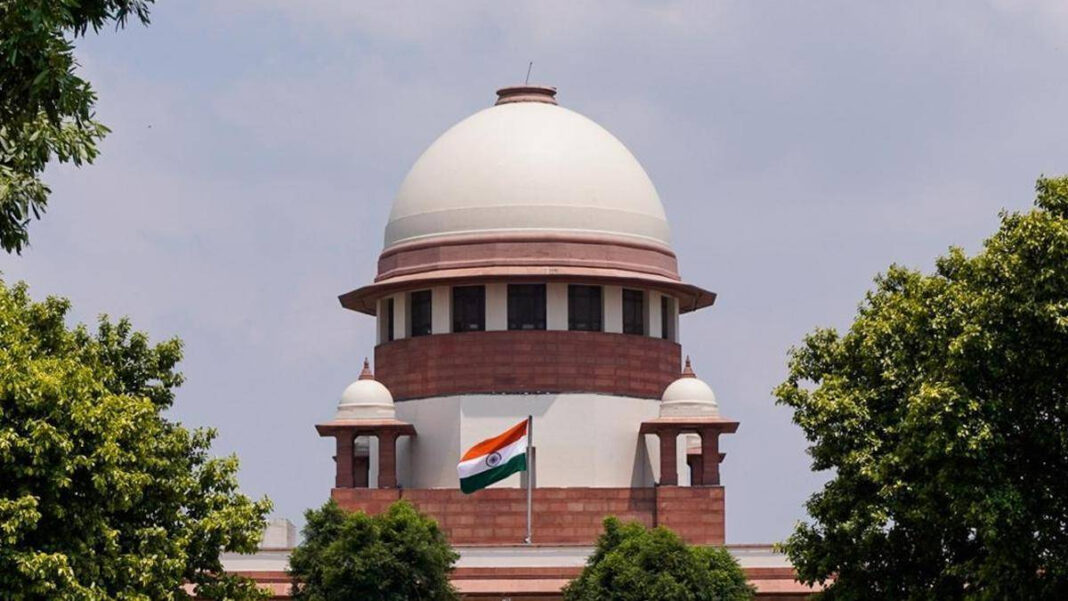
As the Supreme Court prepares to address the contentious issues surrounding transgender rights and the validity of state legislation, it is crucial for governments to reflect on their roles in the protection and promotion of human rights. The decisions made by Andhra Pradesh and Uttarakhand serve as a microcosm of the larger national conversation about inclusion, equity, and justice for all, particularly for those in marginalized communities. The outcome of these legal battles will not only affect the lives of transgender individuals but will also indicate the direction of India’s commitment to human rights and social justice in the years to come.