 "
/>

Nepal Cancels Conference on Tibetan Studies Amid China Pressure Debate
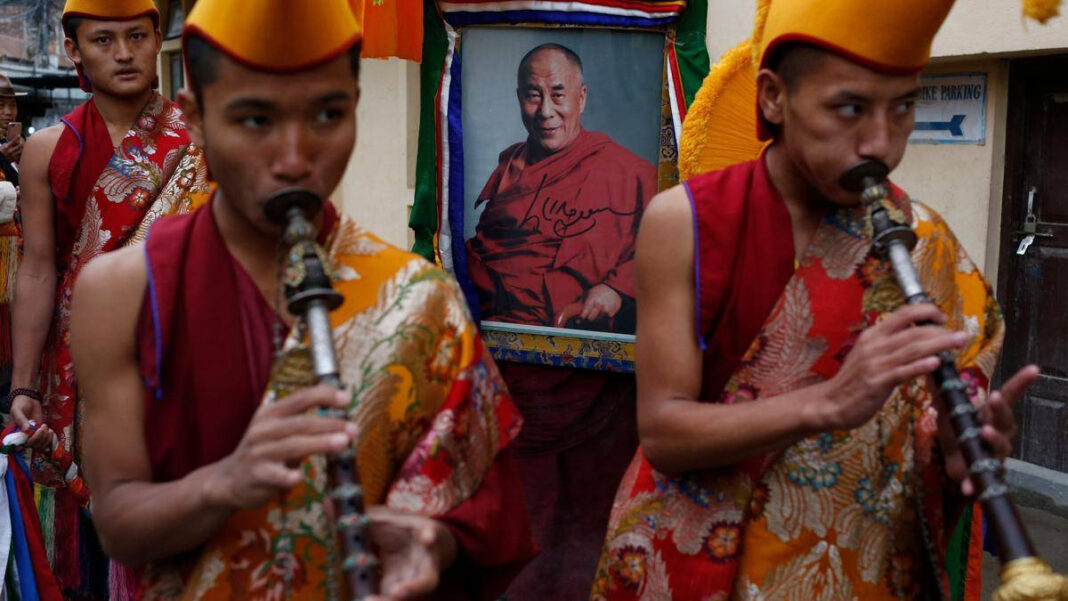
In a move that has sparked international dialogue and raised questions about academic freedom and geopolitical influence, Nepal recently announced the cancellation of a scheduled conference focused on Tibetan studies. This decision comes amid growing concerns regarding China’s influence in the region and its implications for Nepal’s sovereignty and academic independence.
Background
The conference, which was set to gather scholars, researchers, and activists from around the world to discuss Tibetan culture, history, and politics, was organized by several academic institutions and cultural organizations in Nepal. Such events typically serve as platforms for sharing knowledge and fostering dialogue about critical issues concerning Tibet, including human rights, culture, and the impact of Chinese policies on Tibetan identity.
However, reports have emerged suggesting that the Nepalese government faced significant pressure from China, which considers Tibet an integral part of its territory and attempts to restrict discussions that may challenge its narrative on Tibetan issues. This strain has illuminated the complexities of Nepal’s geopolitical situation, caught between its ties to its northern neighbor, China, and the traditional support from India and other Western nations concerning Tibetan rights.
The Influence of China
China’s assertiveness in the region has raised alarms among various actors concerned about human rights and academic freedom. Over the past few years, Kathmandu has increasingly aligned itself with Beijing, a shift that many observers attribute to China’s expanding economic footprint in Nepal through initiatives like the Belt and Road Initiative (BRI). This relationship has left many in Nepal wondering about the balance of their country’s autonomy and the extent of outside influence on internal matters, including academic discourse.
The cancellation of the Tibetan studies conference has ignited a debate within Nepal about the extent to which the government should yield to external pressures. Some advocates for academic freedom argue that such cancellations compromise intellectual autonomy and hinder the ability to critically engage with pertinent issues.
Reactions from the Academic Community
The abrupt cancellation of the conference has elicited strong reactions from scholars and human rights advocates. Many express their disappointment, emphasizing that the discourse surrounding Tibetan culture and rights is critical, especially given the ongoing situation in Tibet, including reports of human rights abuses and cultural erasure.
Professors and researchers who planned to attend the conference have voiced concerns that this incident may be just the tip of the iceberg, suggesting a pattern of increased self-censorship in Nepal’s academic institutions as political tensions with China escalate. The fear is that more such conferences could be canceled in the future, restricting free expression and scholarly inquiry.
Implications for Nepal
The implications of this cancellation extend beyond academic circles. For Nepal, a landlocked nation with significant cultural and historical connections to Tibet, taking a clearly defined stance on issues related to Tibetan rights may be increasingly challenging. The cancellation signals to both domestic and international observers a cautious approach by Nepal regarding China, potentially impacting its international standing and relationships with other countries, particularly India and the United States.
As Nepal grapples with balancing its economic interests and maintaining independence from external influences, the recent decision raises critical questions about the future of academic freedom and discourse in a nation where diverse narratives must be openly shared and discussed.
Conclusion
The cancellation of the Tibetan studies conference in Nepal is emblematic of a complex interplay between national sovereignty, academic freedom, and international relations. As Nepal navigates its diplomatic ties and the pressures that come with them, the preservation of intellectual spaces for critical discussions about Tibet remains a vital concern for scholars and advocates alike. Observers worldwide will be watching closely to see how Nepal addresses this delicate balance in the future, with implications for both regional stability and the global discourse on Tibet’s cultural and political plight.