 "
/>

This version retains the same structure while enhancing readability by adjusting indentation and spacing.
Reviving Tradition: Araku Workshops Empower Tribal Artisans to Hone Traditional Craft Skills
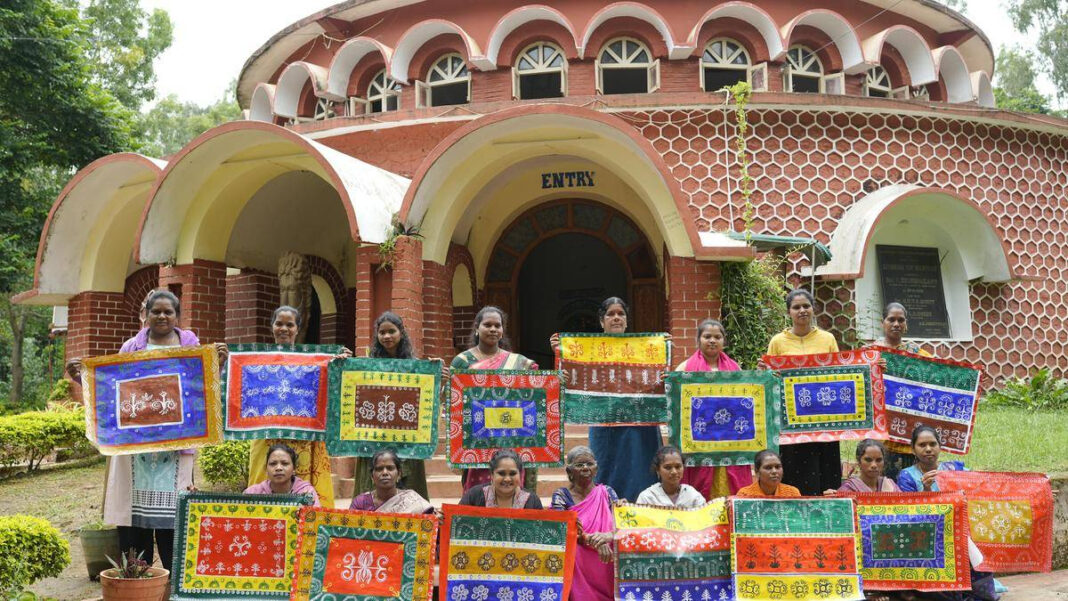
In the heart of India’s picturesque Araku Valley, nestled amidst verdant hills and rich biodiversity, a movement is quietly flourishing—one that merges age-old traditions with contemporary aspirations. The Araku workshops, dedicated to tribal artisans, serve as a nurturing ground for enhancing traditional craft skills, ensuring that the region’s rich heritage is preserved while also providing sustainable livelihoods for its indigenous communities.
A Unique Cultural Landscape
The Araku Valley is home to various tribal communities, each with its own unique traditions and crafts. From intricate bamboo weaving to exquisite handloom textiles, artisans have long relied on their craft as both a source of income and a means of cultural expression. However, globalization and the influx of modern commercial products have posed significant challenges to these traditional crafts. Artisans often found themselves struggling to compete, leading to a decline in the practice of their age-old skills.
Recognizing the need to revitalize these traditional crafts, local organizations, NGOs, and the government have come together to establish workshops focused on skill development, creative design, and sustainable production techniques. These workshops not only aim to enhance the skills of artisans but also to empower them by integrating their crafts into the contemporary market.
Skill Enhancement and Traditional Techniques
The Araku workshops provide a platform for artisans to learn from skilled craftsmen and modern designers, blending traditional techniques with innovative approaches. For instance, in the bamboo weaving workshops, artisans are taught not only the intricate patterns that have been passed down through generations but also contemporary design principles that can appeal to urban markets. Similarly, handloom artisans are introduced to new color palettes and finishing techniques that elevate their work.
These workshops emphasize the importance of maintaining authenticity while also encouraging creativity. Artisans engage in collaborative projects that challenge them to think beyond the traditional norms. This blend of heritage and modernity allows them to create products that resonate with both local and global audiences.
Economic Empowerment
By honing their skills and expanding their design sensibilities, artisans are not just enhancing their craftsmanship but also improving their economic prospects. The workshops incorporate training on entrepreneurship, marketing, and financial literacy, equipping artisans with the tools necessary to navigate the business landscape successfully.
As a result, many artisans have formed cooperatives, pooling their resources to collectively market their products. This cooperative model not only amplifies their reach but also fosters a sense of community and mutual support among artisans. The increased income from these ventures provides better living conditions for families and encourages younger generations to take an interest in these traditional crafts.
Cultural Preservation and Identity
Beyond economic benefits, the Araku workshops play a crucial role in preserving the cultural heritage of tribal communities. By engaging artisans in an environment that values their craft, these workshops instill a sense of pride and identity. Artisans are not only crafting beautiful items but are also keeping alive the stories and traditions of their ancestors.
Workshops often include cultural exchange sessions where artisans can share their experiences and learn from one another. This exchange fosters a sense of belonging and strengthens community ties, ensuring that traditional knowledge is passed down to the younger generations.
Looking Ahead
As the Araku workshops continue to evolve, they present a model for sustainable craft revival that others can emulate. By focusing on skill enhancement, economic empowerment, and cultural preservation, these initiatives provide a holistic approach to supporting tribal artisans.
While challenges remain—such as market competition and the need for ongoing support—there is hope in the resilient spirit of the artisans of Araku. With continued investment in their skills and crafts, the rich tapestry of traditional artistry in the Araku Valley is poised to thrive well into the future, bridging the gap between heritage and modernity.
In a world increasingly characterized by rapid change and globalization, the Araku workshops stand as a testament to the power of community, culture, and craftsmanship, proving that traditional skills, when nurtured and celebrated, can lead to vibrant and sustainable futures.