 "
/>

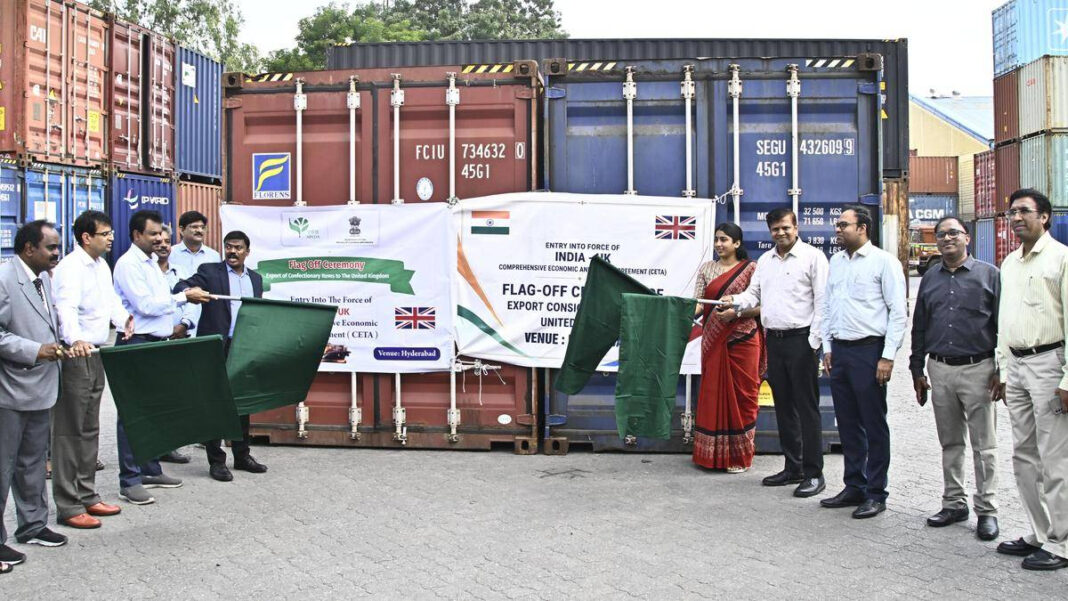
Products Exported to the U.K.
India–UK Comprehensive Economic and Trade Agreement (CETA) Comes into Force: Telangana Well Poised to Reap Benefits
The recent enforcement of the India–United Kingdom Comprehensive Economic and Trade Agreement (CETA) marks a significant milestone in the ongoing partnership between these two nations. This agreement is expected to bolster trade, strengthen economic ties, and create new opportunities across various sectors. For Telangana, a state known for its burgeoning IT sector, agriculture, and manufacturing capabilities, the CETA presents a remarkable opportunity to enhance its economic footprint on the global stage.
Understanding CETA and Its Implications
The India-UK CETA is designed to reduce barriers to trade, improve access to each other’s markets, and foster investment in key sectors such as technology, healthcare, and renewable energy. This agreement is particularly vital given the rapidly changing global economic landscape and the importance of establishing resilient supply chains.
For India, the UK is a major trading partner, with bilateral trade amounting to over $30 billion annually. The CETA aims to increase this figure significantly by providing Indian products, especially in pharmaceuticals, textiles, and software services, enhanced access to the UK market while enabling UK firms to invest in and export to India with fewer restrictions.
Telangana’s Strategic Advantages
Telangana, as one of India’s fastest-growing states, is strategically positioned to take full advantage of the CETA. Here are several reasons why Telangana stands to benefit:
-
Thriving IT Sector: Hyderabad, the capital of Telangana, is often referred to as “Cyber City” due to its vibrant IT ecosystem, home to numerous Fortune 500 companies, tech startups, and a skilled workforce. The CETA’s provision for facilitating digital trade and tech cooperation can further cement Telangana’s status as a global IT hub, attracting increased investments from UK tech companies looking for innovative solutions in artificial intelligence, cloud computing, and cybersecurity.
-
Focus on Startups and Innovation: With a favorable government policy that encourages startups, Telangana has become a launchpad for innovation-driven enterprises. The agreement is likely to foster collaboration between Indian and UK startups, enabling knowledge transfer and access to funding opportunities that can propel local businesses onto the international stage.
-
Agriculture and Food Products: Telangana’s robust agriculture sector can also gain from the CETA. The UK market represents a significant opportunity for Indian agricultural exporters, particularly in fruits, vegetables, and processed foods. The easing of tariffs and trade barriers can enable Telangana farmers to access this lucrative market more easily, increasing their income and sustainability.
-
Manufacturing and Skill Development: The CETA emphasizes cooperation in manufacturing sectors, which aligns perfectly with Telangana’s “Make in India” initiative. The state government has already initiated various skill development programs to groom a workforce capable of meeting global standards. This focus on enhancing skill sets will create a conducive environment for UK manufacturing companies to establish operations in Telangana, potentially leading to job creation and economic upliftment.
- Tourism and Educational Exchanges: The agreement opens doors for increased tourism and educational exchanges between the two regions. Telangana’s diverse cultural heritage and historical significance can attract more UK tourists, while students from the state may find opportunities for advanced studies and research in the UK, fostering cross-cultural exchanges that enrich both societies.
Conclusion
The India–UK CETA represents a transformative opportunity for both nations but is especially favorable for states like Telangana that are well-prepared to leverage the advantages it offers. By capitalizing on its strengths in technology, agriculture, and manufacturing, Telangana is set to emerge as a key player in the India-UK economic landscape. As this agreement unfolds, it will be essential for the state’s stakeholders—government, businesses, and educational institutions—to collaborate effectively to ensure that the benefits of the CETA are realized, paving the way for sustainable growth and development in the years to come.
As India and the UK embark on this new economic journey together, Telangana is poised to be at the forefront, showcasing what sustained partnerships and robust trade agreements can achieve on a global scale.