
 "
/>

Researchers Document First Human Deaths by Caspian Cobra in India
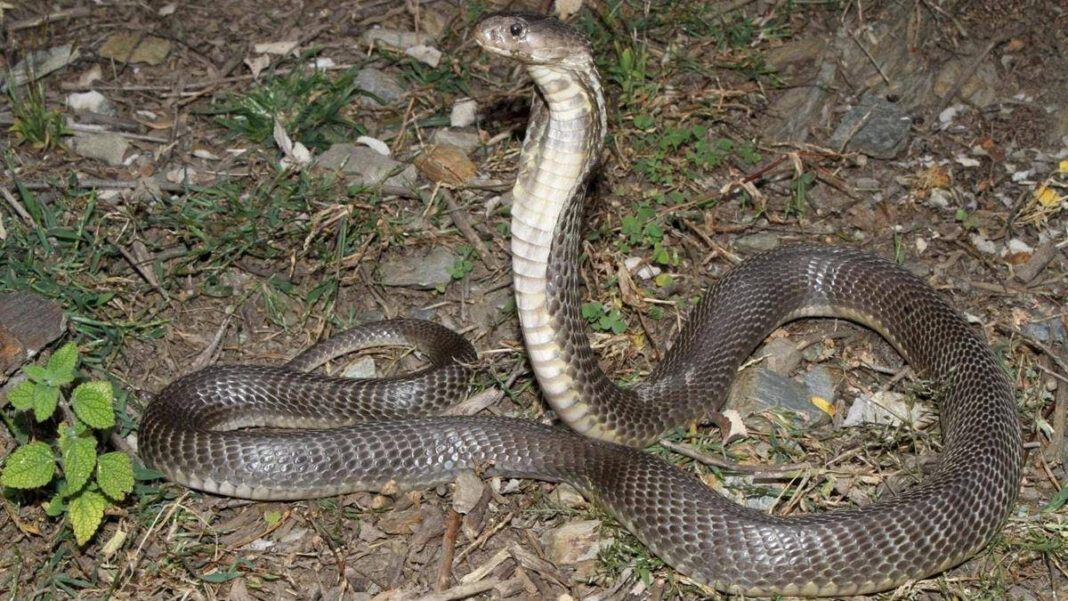
In a startling development for both herpetology and public safety, researchers in India have documented the first recorded human fatalities attributed to bites from the Caspian cobra (Naja oxiana). This venomous snake, indigenous to parts of Central Asia, has now been confirmed as a lethal threat to humans in the Indian subcontinent, raising alarms among herpetologists, medical professionals, and local communities.
Understanding the Caspian Cobra
The Caspian cobra, known for its distinctive hood and potent neurotoxic venom, is predominantly found along the Caspian Sea and across regions of Iran, Azerbaijan, and Kazakhstan. Its adaptation to various habitats—ranging from wetlands to arid regions—demonstrates its resilience. Historically, encounters with this species in India were considered rare, with only a handful of sightings reported over the years. However, increased deforestation and climate change are altering habitats and pushing wildlife closer to human settlements, resulting in more frequent interactions.
The Recent Incidents
The alarming incidents leading to human fatalities occurred in several rural areas of India, where local farmers and residents often venture into longer grass and brush areas for agriculture and daily activities. Initial reports indicate that victims suffered severe envenomation after being bitten while working in fields or collecting firewood. The symptoms observed in these cases include rapid onset of respiratory failure, local tissue necrosis, and, in some cases, death within hours due to a lack of immediate medical intervention.
Researchers, including herpetologists and toxicologists, have emphasized the need for rapid medical response in future cases. Most victims did not receive antivenom in time, making the need for improved healthcare access in rural regions paramount.
Public Health Implications
The emergence of the Caspian cobra as a human health threat in India prompts a broader examination of existing public health frameworks related to snakebite management and prevention. The World Health Organization has emphasized snakebite envenomation as a neglected tropical disease, necessitating urgent attention and resources for education, treatment, and preventive measures.
Doctors and health officials are advocating for community awareness programs that educate locals about recognizing venomous snakes, understanding symptoms of snakebite envenomation, and knowing the nearest healthcare facilities equipped with antivenom. Additionally, the establishment of a reporting system for snakebite incidents could help gather data to assess the full extent of the problem.
Conservation and Coexistence
While the Caspian cobra represents a new threat to human health, conservationists warn against vilifying the species. As an apex predator, cobras play a crucial ecological role by controlling rodent populations, thereby supporting agricultural health. Research indicates that loss of biodiversity often exacerbates human-wildlife conflict. Therefore, a balanced approach emphasizing habitat preservation and sustainable practices is essential.
Local governments are urged to integrate wildlife conservation efforts with agricultural policies to promote coexistence. Strategies such as planting crops that are less attractive to snakes or installing barriers to keep snakes away from human dwellings could mitigate risks.
Conclusion
The documentation of human deaths caused by the Caspian cobra in India is a crucial reminder of the intricate relationship between humans and wildlife. As researchers strive to understand the implications of this development, it is evident that a multi-faceted approach involving public education, healthcare access, and conservation strategies is essential to ensure the safety of communities while respecting the ecological importance of these snakes. The emerging challenge underscores the pressing need for global awareness and proactive measures in managing human-wildlife interactions in an ever-changing environment.