 "
/>
"
/>

Pakistan Government’s Security Costs Set to Rise After Imran Khan’s Party Delays Protest March to October 4
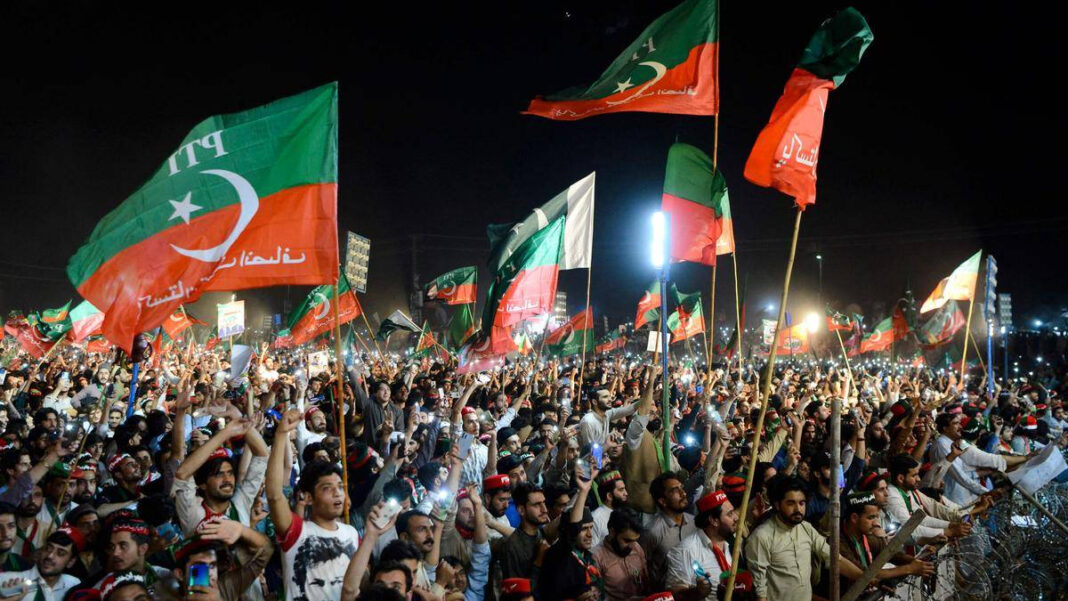
In recent weeks, Pakistan has found itself at the center of political turbulence, exemplified by Imran Khan’s Pakistan Tehreek-e-Insaf (PTI) party’s decision to delay its much-anticipated protest march to October 4. This postponement, while aiming to gather larger crowds and amplify their message, comes with significant implications for national security and government expenditures.
Background Context
Imran Khan, the former Prime Minister of Pakistan, has been at odds with the current administration since his ousting in April 2022. His party has been vocal in its opposition to the ruling coalition, criticizing issues ranging from economic mismanagement to rising inflation. The planned protest march is seen as a strategic move to regain momentum and clarify the PTI’s stance on crucial national issues.
Increase in Security Expenses
The government’s obligation to maintain public order during such mass demonstrations invariably leads to heightened security costs. With the postponement to October 4, authorities anticipate a larger turnout, prompting the need for additional security measures. These costs encompass a wide range of expenditures, including:
-
Deployment of Security Forces: Increased manpower will be essential to manage crowds, ensure safety, and prevent potential violence. This includes police, paramilitary forces, and local law enforcement agencies, all of which require funding for overtime and equipment.
-
Intelligence Operations: To preempt any unrest, the government will likely allocate resources toward intelligence gathering. This involves monitoring potential threats and ensuring that public gatherings adhere to legal regulations, which incurs additional costs.
-
Public Infrastructure: Ensuring that roads and public spaces are safe and secure requires investments in barriers, crowd control measures, and logistical arrangements to facilitate the movement of both protesters and civilians.
- Emergency Preparedness: In anticipation of possible clashes, the government may need to prepare emergency response units, including medical assistance teams, which also adds to financial burdens.
Political Ramifications
The rising costs associated with security measures are not merely a logistical concern; they also have political ramifications. The allocation of funds toward controlling protests places a strain on an already beleaguered economy, where citizens are grappling with inflation and decreased public services. The perception of a government more focused on suppressing dissent than addressing public grievances could further alienate segments of the populace.
Moreover, Khan’s strategy to delay the march affords his party an opportunity to rally support, potentially increasing participation from an electorate that is frustrated with current governance. This dynamic raises the stakes for the government, which faces the challenge of maintaining control without inflaming public sentiment further.
Looking Ahead
As Pakistan approaches the new date for the protest march, all eyes will be on the government’s response and the unfolding of events. Increased security measures are likely inevitable, and the implications of heightened tensions must be navigated carefully. The balance between upholding public order and respecting the fundamental right to protest is critical and will define the political landscape in the coming months.
In conclusion, the decision to delay the protest march has significant implications beyond party politics, impacting security expenditures and shaping public perceptions. As Pakistan moves forward, the successful management of this event may determine the future trajectory not just for Imran Khan and the PTI, but for the stability of the country itself.