 "
/>

PPCC Revamp
Congress Hopes for Calm in Punjab Unit, but Storm Clouds Remain Ahead of 2027 Assembly Election
As the political landscape in Punjab gears up for the 2027 Assembly elections, the Indian National Congress (INC) finds itself walking a tightrope. The party, which has historically been one of the dominant forces in the Punjab political arena, is currently focused on stabilizing its state unit amid internal challenges and external pressures. Despite the efforts of party leaders to foster a sense of unity and purpose, storm clouds loom on the horizon, raising concerns about the party’s prospects in the upcoming elections.
The Current Political Climate in Punjab
Punjab’s political environment has been anything but stable in recent years. Following the 2022 Assembly elections, the Aam Aadmi Party (AAP) emerged as the ruling party, marking a significant shift in the state’s political dynamics. The Congress, once a formidable power in Punjab, saw its representation dwindle, leaving many of its loyalists disheartened. The challenges posed by AAP’s governance, along with emerging regional parties, have left Congress searching for effective strategies to reconnect with the electorate.
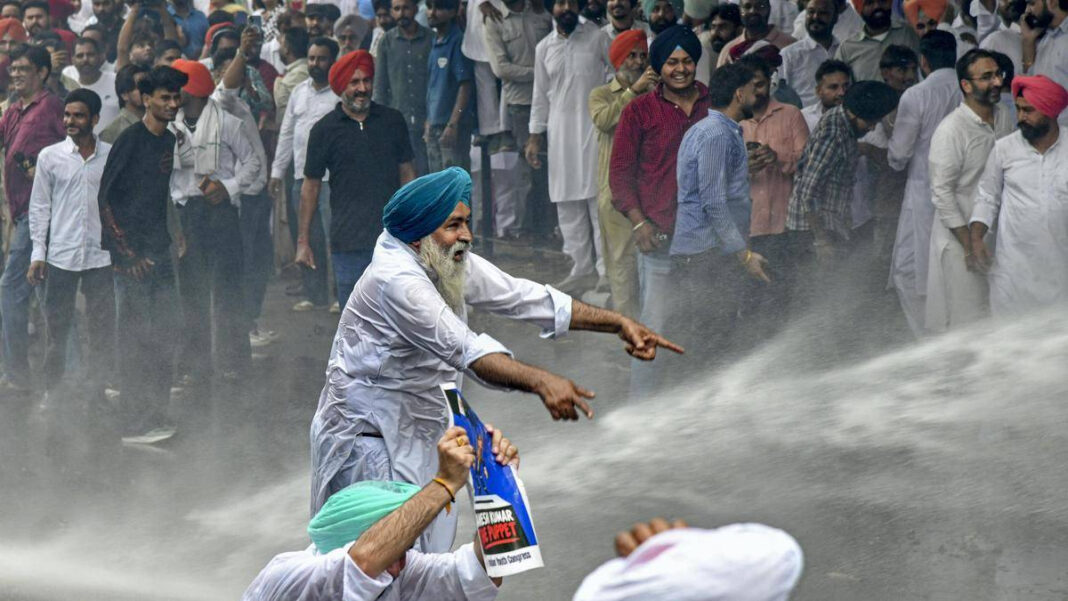
In light of these shifts, Congress is paying close attention to its internal dynamics. The party has experienced several leadership changes and factional disputes that have raised eyebrows and fueled speculation about its future. Recognizing the critical need for unity, Congress leaders have been calling for a truce among various factions within the party. However, the task is challenging, as dissenting voices continue to echo within its ranks.
Leadership and Unity Challenges
The Punjab Congress unit has been grappling with factionalism, which has often hindered coordinated efforts for political revival. Long-standing rivalries and conflicts over leadership positions threaten to destabilize the party’s cohesion. Key figures within the party have expressed a desire for collective action but have struggled to achieve consensus on strategies for the upcoming polls.
To address these issues, the Congress leadership has initiated dialogue sessions aimed at reconciling differences and fostering collaboration. Senior leaders have called for a focus on grassroots engagement, emphasizing the need to listen to the concerns of party workers and voters alike. However, the skepticism among party cadres regarding the effectiveness of these efforts remains palpable.
External Challenges and Voter Sentiment
Beyond internal strife, Congress faces significant external challenges as it prepares for the upcoming elections. The Aam Aadmi Party, buoyed by its recent success and the perception of effective governance, has established itself as a formidable opponent. The Punjab electorate has displayed a growing inclination toward alternative political narratives that prioritize development and transparency—factors the Congress must urgently address.
Furthermore, the resurgence of local and regional parties adds an additional layer of complexity to the electoral landscape. Regional aspirations are increasingly influencing voter preferences, compelling Congress to reevaluate its strategies to remain relevant. The party must not only reclaim lost ground but also distinguish itself in a fragmented political market.
A Path Forward
Despite the prevailing challenges, there is a glimmer of hope for the Congress in Punjab. The party remains a traditional choice for many voters who associate it with stability and social welfare schemes. If Congress can effectively leverage its historical strengths while modernizing its approach, it could boost its chances in the upcoming elections.
Key steps for the party may include tangible initiatives focused on issues like employment generation, agriculture, and infrastructure development—areas that resonate deeply with the average voter. Engaging youth, addressing the concerns of farmers, and improving educational facilities will be critical points of connection with the populace. Moreover, a transparent communication strategy that showcases success stories from the previous Congress-led administrations may also help revitalize its image.
Conclusion
As Congress navigates these turbulent waters in Punjab, the road to the 2027 Assembly elections will require a concerted effort to unite its factions, engage effectively with voters, and adopt fresh strategies. While storm clouds hover, there is potential for the party to rally and present itself as a viable alternative to the current governance model. Whether Congress can capture the hearts and minds of the electorate will ultimately depend on its ability to address both internal discord and external competition. The coming months will be critical as the party seeks to regain its footing and redefine its place in Punjab’s dynamic political landscape.