 "
/>
"
/>

Primetime (English)
Primetime: Robert Pattinson’s Fiendish Performance in Lance Oppenheim’s Vivisection of Televised Virtue
In the ever-evolving landscape of cinema, few films manage to capture the zeitgeist as effectively as Lance Oppenheim’s “Primetime.” This cinematic exploration of televised virtue and its moral complexities is elevated significantly by the magnetic presence of Robert Pattinson, whose portrayal of a troubled protagonist navigating the murky waters of media fame is nothing short of extraordinary.
The Premise
“Primetime” unfolds in a world where the line between celebrity and reality blurs, probing the uncomfortable relationship between entertainment and ethics. Set against the backdrop of a rapidly evolving media landscape, the story centers on a complex character grappling with the consequences of his actions as he attempts to assert control over his narrative in an era saturated with sensationalism.
Oppenheim delves into the moral quagmire that surrounds modern media, exploring themes of authenticity, exploitation, and the human condition. As viewers, we’re invited to reflect on the implications of a culture obsessed with fame and the lengths to which individuals will go to achieve it. Oppenheim’s sharp writing and direction create a tense atmosphere, where every moment is laden with a sense of impending revelation.
A Tour de Force Performance
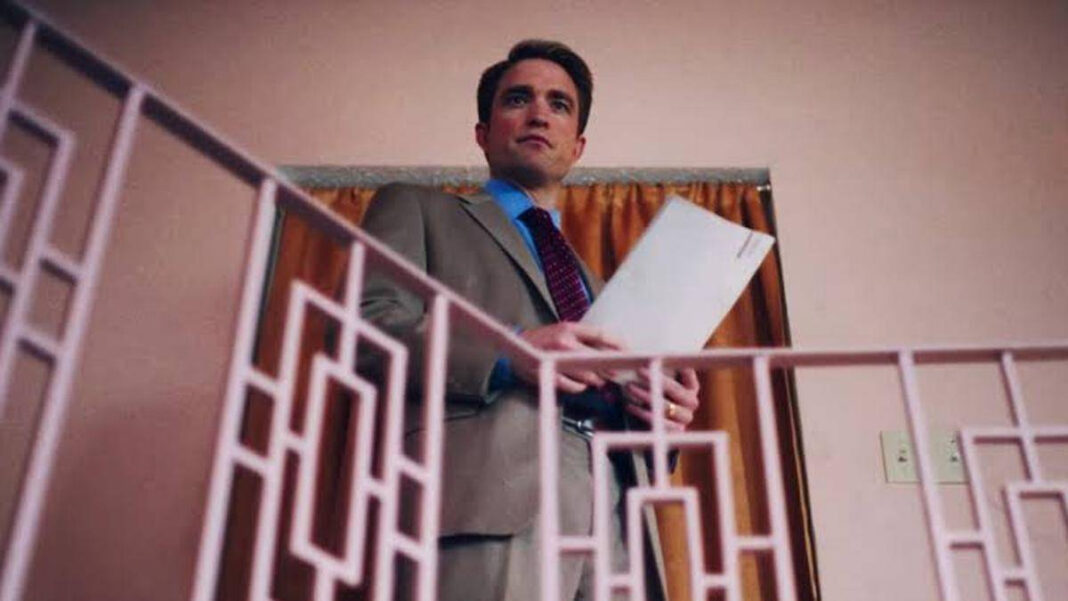
At the heart of “Primetime” is Robert Pattinson, whose portrayal of the lead character is a masterclass in nuance and depth. Pattinson, known for his transformative performances, takes on a decidedly darker role here, embodying a character that oscillates between vulnerability and moral ambiguity. His ability to convey a profound inner turmoil, coupled with a simmering intensity, leaves a lasting impression.
From the outset, Pattinson captivates audiences with a raw and captivating performance that explores the duality of humanity—his character is both victim and perpetrator, a man seeking recognition while simultaneously grappling with the consequences of his desperate actions. The subtleties of Pattinson’s performance invite viewers to empathize with his character, even as he engages in morally questionable behavior. It’s a nuanced balancing act that Pattinson executes flawlessly, showcasing his growth as an actor.
The Cinematic Craft
Visually, Oppenheim employs a striking aesthetic that enhances the film’s central themes. The cinematography captures the frenetic energy of modern media, with fast-paced editing and dynamic camera movements that mirror the chaos of the 24-hour news cycle. The film’s production design thoughtfully contrasts the slick, polished surface of televised virtue with the darker truths that lie beneath, creating a visual metaphor for the story’s exploration of authenticity in an artificial world.
The score, too, warrants mention. It serves as an effective emotional undercurrent, guiding viewers through the highs and lows of the narrative. The combination of sound and visual elements creates a gripping atmosphere that keeps audiences on the edge of their seats.
Thematic Depth
What sets “Primetime” apart from conventional thrillers is its unwavering commitment to thematic depth. Oppenheim does not merely present a cautionary tale about the pitfalls of fame; he offers a thoughtful critique of a system that rewards sensationalism over sincerity. The film challenges viewers to consider their own complicity in the culture of spectacle, prompting important questions about responsibility, empathy, and the human experience in an age inundated by information overload.
Conclusion
“Primetime” is a bold and thought-provoking film that serves as both a thrilling narrative and a poignant social commentary. Robert Pattinson’s fiendishly good performance anchors the story, elevating it beyond a mere exploration of fame into a profound examination of the human condition. Lance Oppenheim’s direction and storytelling craft combine to create a film that resonates deeply, leaving audiences to ponder the complexities of televised virtue long after the credits roll.
As cinema continues to explore the intersections of technology, morality, and society, “Primetime” stands out as a critical reflection on the media landscape, reminding us that the stories we consume are often as revealing as the narratives we construct about ourselves. Don’t miss the chance to experience this visceral examination of modern virtue—a film that dares to ask what it truly means to be seen and, ultimately, to be human.