 "
/>
"
/>

Remembering Manmohan Singh: A Legacy of Landmark Economic Reforms
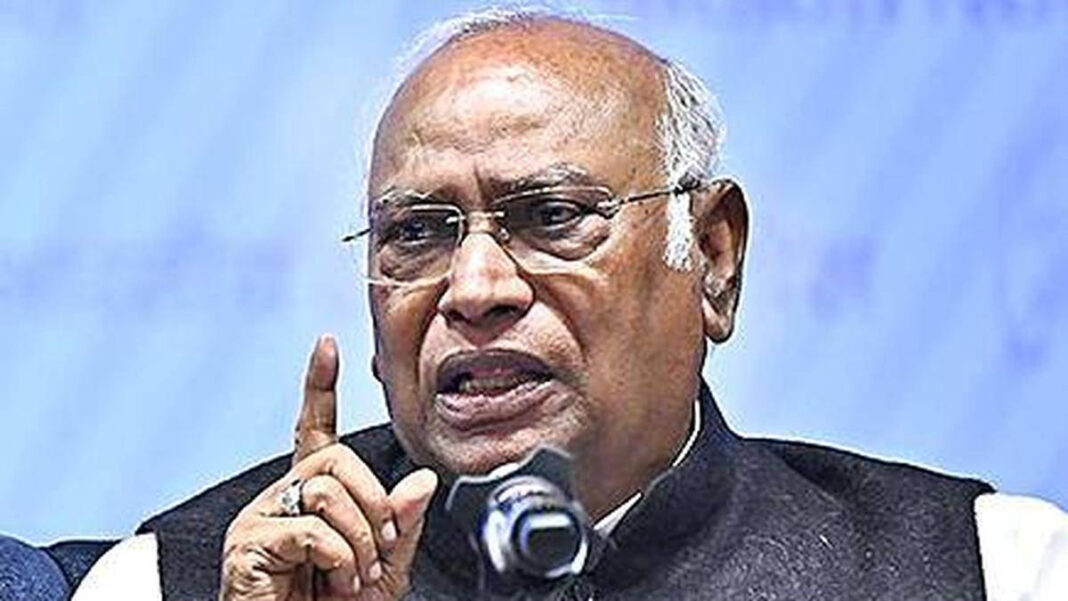
On the occasion of former Prime Minister Manmohan Singh’s birth anniversary, Congress President Mallikarjun Kharge paid tribute to the esteemed leader, reflecting on Singh’s profound impact on India’s economic landscape. Singh, who served as Prime Minister from 2004 to 2014, is widely recognized for his pivotal role in liberalizing the Indian economy and steering the nation through a critical phase of growth and transformation.
A Visionary Economist
Manmohan Singh, born on September 26, 1932, in Gah, Punjab (now in Pakistan), was not just a politician but also a distinguished economist. Before ascending to the prime ministerial role, he served as the Finance Minister in the early 1990s, where he implemented groundbreaking reforms that set the stage for India’s economic liberalization. These reforms included devaluation of the Indian rupee, reduction of import tariffs, and the dismantling of the License Raj, all of which catalyzed a shift toward a market-oriented economy.
Kharge, in his remembrance, underscored the visionary policies that Singh championed, emphasizing that these reforms led to increased foreign investment, industrial growth, and a significant reduction in poverty. “Manmohan Singh’s economic policies have had a lasting effect on the lives of millions,” Kharge noted, adding that his leadership during times of economic adversity showcased his resolve and commitment to the nation’s prosperity.
Growth Amidst Challenges
Under Singh’s premiership, India experienced robust economic growth, often referred to as the “India Growth Story.” The GDP growth rate surged, with the economy expanding at rates exceeding 8% annually for several years. Kharge reminded listeners that Singh’s guidance was crucial during the global financial crisis of 2008, where his government took decisive measures to mitigate the impacts and ensure economic stability.
Moreover, Singh’s tenure was marked by significant social initiatives aimed at improving education, health care, and rural development. His Government launched programs such as the National Rural Employment Guarantee Act (NREGA), which aimed to provide at least 100 days of wage employment in a financial year to every rural household, reflecting his commitment to inclusivity and social justice.
The Enduring Legacy
Kharge’s tribute resonated with many who believe that Singh’s legacy is not just about economic statistics but also about the vision of a progressive India. He urged the current generation to learn from Singh’s principles of humility, integrity, and dedication to the nation.
Manmohan Singh’s contributions extend beyond mere policies; they embody the spirit of resilience and innovation that India aspires to. As Kharge reflected on Singh’s birthday, he called upon young leaders and policymakers to draw inspiration from Singh’s approach to governance—one that balances economic growth with social equity.
Conclusion
As we remember Manmohan Singh on his birth anniversary, it is essential to acknowledge the foundation he laid for India’s economic framework. His policies not only shaped the country’s financial trajectory but also uplifted the lives of countless citizens. In an era where economic challenges continue to evolve, the lessons from Singh’s leadership remain relevant. It is a time for reflection, celebration, and a continued commitment to building upon the progressive legacy left by one of India’s most respected Prime Ministers.