
 "
/>
"
/>

Title: Congress Accuses Chief Election Commissioner of Law Violation over Form 6 Changes, Urges Supreme Court to Hold Him Accountable
In a significant political development, the Indian National Congress has leveled serious accusations against the Chief Election Commissioner (CEC) regarding alleged violations of electoral laws tied to recent amendments in Form 6, a crucial document related to the voter registration process. The party is calling for the Supreme Court of India to intervene and hold the CEC accountable for these alleged infractions, raising questions about the integrity of the electoral process in the world’s largest democracy.
The Background of Form 6 Changes
Form 6 is a vital component of the electoral framework in India, serving as the application form for Indian citizens seeking to register as voters. Changes to this form have become a focal point of controversy, particularly given their potential implications for the upcoming electoral processes. The Congress party contends that the modifications were made in a way that violates existing laws governing the registration of voters, potentially disenfranchising eligible voters.
The CEC, who oversees the Election Commission of India (ECI), is responsible for ensuring free and fair elections. However, the Congress alleges that the recent changes to Form 6 were enacted without proper consultation or public discourse, undermining the democratic process and contravening established legal frameworks.
The Congress’s Position
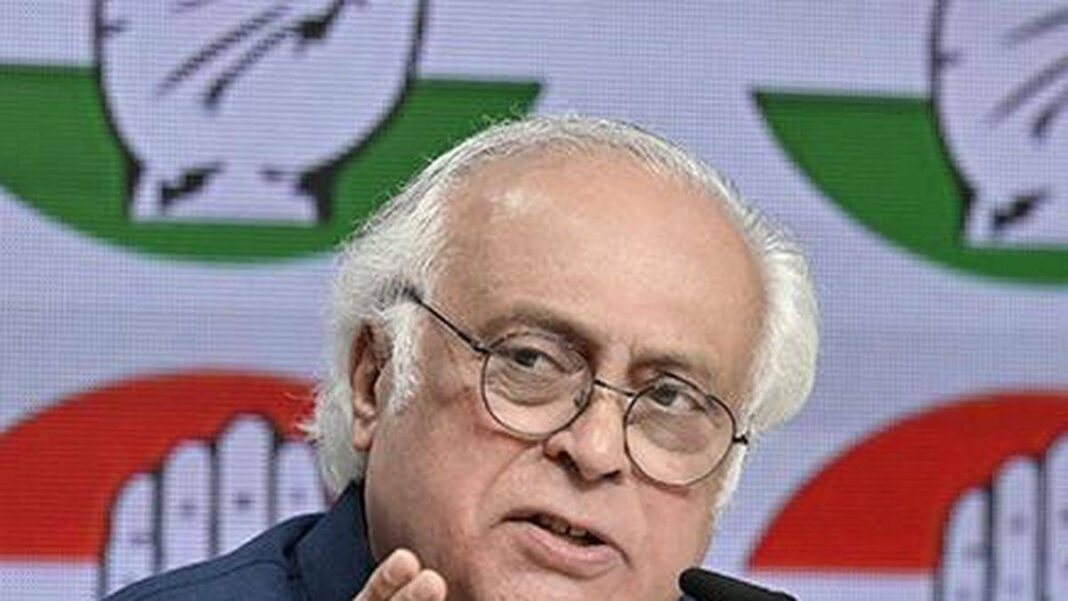
In a press conference, Congress spokespersons articulated their concerns, stating, “The unilateral changes made to Form 6 by the Chief Election Commissioner raise serious legal and ethical questions. If the electoral body is not held accountable to the laws of the land, we risk compromising the very foundation of our democracy.” They highlighted that such alterations could lead to confusion among voters and result in significant barriers to registration, particularly for marginalized communities and first-time voters.
The party has emphasized the importance of transparency and accountability within the electoral framework, arguing that changes to voter registration forms should be made in consultation with political parties, civil society, and the public to preserve trust in the electoral process.
Urging Supreme Court Intervention
As part of its strategy to address this issue, the Congress party has announced plans to file a petition in the Supreme Court, seeking judicial review of the amendments to Form 6. They intend to argue that the changes violate the Representation of the People Act, 1951, which governs the conduct of elections in India and mandates the ECI to follow specific protocols in administering electoral laws.
The Congress has called on the Supreme Court to ensure that electoral reforms do not come at the cost of citizen rights. They argue that any amendments to the voter registration process must guarantee greater accessibility and inclusivity rather than obfuscation or exclusion.
Implications for the Upcoming Elections
As India gears up for the next round of state and national elections, this controversy is likely to have significant ramifications. With voter registration directly influencing electoral turnout, any disruptions or complications arising from the Form 6 changes could potentially skew election results. The Congress party’s positioning on this issue seeks not only to challenge the legitimacy of the CEC’s actions but also to mobilize public sentiment around safeguarding electoral integrity.
Conclusion
The ongoing dispute between the Congress party and the Chief Election Commissioner highlights the critical role of electoral integrity in sustaining democracy. As the Congress pushes for judicial redress, the implications of this conflict will unfold in the public sphere, shaping the narrative as India approaches its next elections. The Supreme Court’s response to this petition could set important precedents for the relationship between electoral authorities and political parties, reaffirming the need for accountability in protecting the democratic process.