 "
/>
"
/>

Full Results from Russia’s Parliamentary Election Confirm Kremlin’s Dominance
In a highly anticipated electoral showdown, results from Russia’s parliamentary election have reinforced the Kremlin’s grip on power, showcasing both the endurance of its political machinery and the challenges facing opposition movements. The elections, held amidst a backdrop of international scrutiny and domestic unrest, reflect a continuation of President Vladimir Putin’s longstanding influence over Russian politics.
Electoral Landscape
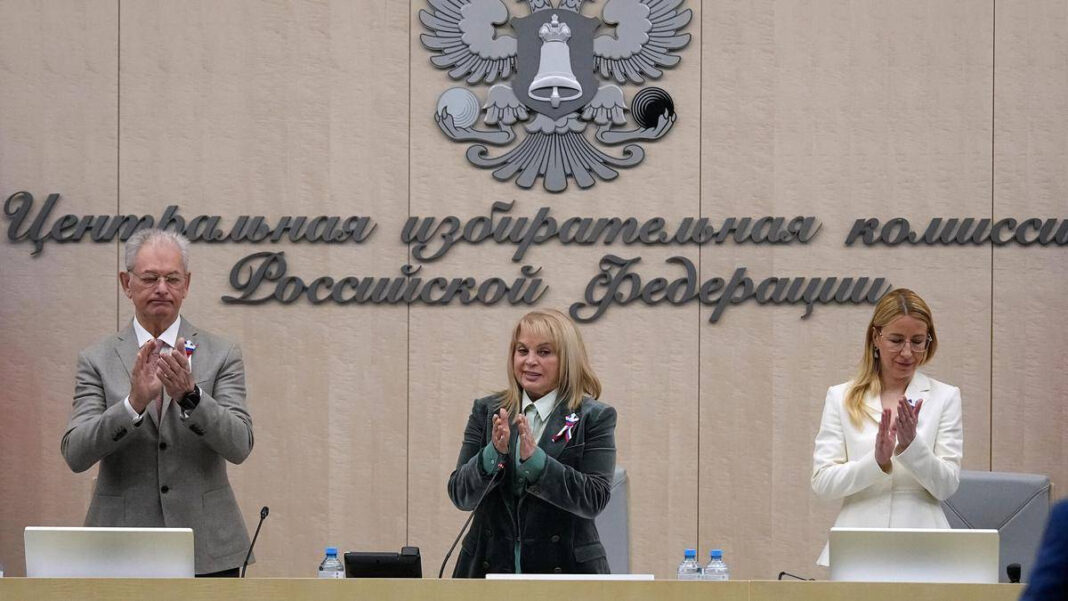
The State Duma, Russia’s lower house of parliament, is composed of 450 deputies, and the recent elections were conducted under a mixed electoral system, combining both single-member districts and proportional representation. With the Kremlin’s favored political party, United Russia, positioned strategically over the years, the outcome was largely anticipated. Preliminary results indicated that United Russia secured a significant majority, further solidifying its control over legislative affairs.
Voter Turnout and Opposition Challenges
Despite widespread discontent over economic challenges, social inequality, and political repression, voter turnout appeared stable for the regime, showing the effectiveness of state machinery in mobilizing support. Critics, including independent observers and various opposition groups, pointed to systemic barriers that hindered free and fair competition. Reports of intimidation, alleged ballot stuffing, and the barring of key opposition candidates from participating raised questions about the legitimacy of the electoral process.
Opposition figures, such as Alexei Navalny, remain sidelined, with many activists facing imprisonment or other forms of repression. This suppression has created a political landscape where dissent is effectively quashed, and alternative voices struggle to gain traction in a heavily controlled media environment. Observers noted that while the Kremlin promotes a façade of democratic processes, the underlying reality is one of considerable authoritarianism.
International Reactions
Global responses to the election results have been predictably divided, with Western nations expressing concerns about the integrity of the electoral process. The United States and European Union have condemned the lack of political freedoms and the continued persecution of dissenters in Russia. Meanwhile, alliances with countries such as China and Belarus have shown a willingness to overlook these democratic deficiencies, focusing instead on economic ties and geopolitical strategies.
Implications for Governance
The results solidify the Kremlin’s authority and provide President Putin with a renewed mandate to pursue his political agenda. This dominance raises significant implications for domestic policies and Russia’s international relations. Analysts suggest that the government will likely continue to adopt a confrontational stance toward the West, capitalizing on nationalist sentiments to divert attention from economic woes.
Simultaneously, the Kremlin’s ability to manage public dissatisfaction will be tested. Economic resilience in the face of sanctions, coupled with declining living standards, poses risks that may lead to increased public unrest. The recent election results may bolster the regime’s claims to legitimacy, but they also highlight the underlying tensions that could destabilize its long-term rule.
Conclusion
As the dust settles on Russia’s parliamentary elections, the results underscore the Kremlin’s dominant role in shaping the country’s political trajectory. While the immediate future appears secure for President Putin and United Russia, the enduring issues of political repression and public discontent loom large. The electoral process may have reiterated the current power structures, but it also serves as a reminder of the complexities and challenges inherent in Russia’s evolving political landscape. In the coming months, as the government navigates both domestic and international pressures, the balance between control and dissent will be crucial in determining the nation’s path forward.