 "
/>
"
/>

Protecting the Western Ghats: A Unified Stand Against Karnataka Politicians’ Claims
Introduction
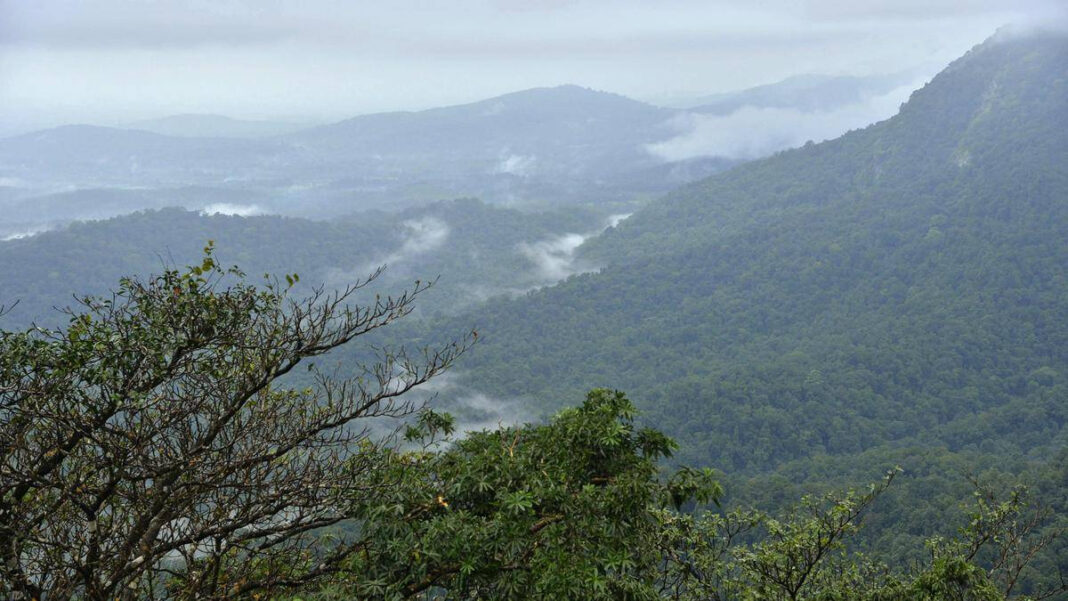
The Western Ghats, a UNESCO World Heritage Site, is one of the world’s eight “hottest hotspots” of biological diversity. Spanning across six Indian states, including Karnataka, this mountain range is home to thousands of species of plants, animals, and unique ecosystems that are crucial for maintaining biodiversity and regulating climate patterns. However, the delicate ecological balance of the Western Ghats is increasingly under threat from urbanization, deforestation, and industrial activities. Recently, a section of residents and environmentalists in Karnataka have joined forces to counter the claims made by local politicians regarding development projects in the region, calling for greater protection and sustainable management of this invaluable landscape.
The Politicians’ Claims
Karnataka has been a hub for developmental projects, with politicians touting economic growth and infrastructural development as key priorities. Some politicians argue that certain proposed projects in the Western Ghats, including road construction, mining, and real estate developments, are necessary to promote tourism and create job opportunities for local communities. They contend that the environmental concerns raised by activists are often exaggerated and that stringent regulations in ‘eco-sensitive zones’ hinder progress.
Residents and Environmentalists Unite
In response to these claims, a coalition of local residents and environmental advocates has emerged, emphasizing the need for a balanced approach that prioritizes ecological preservation alongside development. Many community members argue that the long-term health of their environment is intrinsically linked to their livelihoods. Fishermen, farmers, and indigenous communities have voiced concerns about the declining quality of air and water, changes in climate, and disruptions to the natural habitat, which they directly rely on for their sustenance.
Environmentalists also highlight the importance of the Western Ghats as a crucial water source for millions of people in southern India. They present compelling evidence indicating that unrestricted exploitation of the region’s resources could lead to disastrous consequences, including soil erosion, loss of biodiversity, and decreased rainfall patterns. Their advocacy calls for a stricter adherence to the recommendations set forth by the Western Ghats Ecology Expert Panel, which emphasizes the preservation of fragile ecosystems.
The Impact of Climate Change
The ongoing threat of climate change magnifies the urgency of protecting the Western Ghats. As the region experiences shifts in weather patterns—leading to erratic rainfall, droughts, and landslides—the need for robust environmental policies becomes even more pressing. The adverse effects of climate change on the biodiversity of the Western Ghats could also have far-reaching effects on agriculture and food security within Karnataka and beyond.
The Call for Sustainable Development
The coalition of residents and environmentalists is actively advocating for sustainable development practices that respect the ecological integrity of the Western Ghats. They propose the implementation of eco-friendly building regulations, conservation projects, and eco-tourism initiatives that promote local culture while minimizing environmental impact. By educating the public and lobbying for stricter enforcement of environmental laws, this group aims to hold decision-makers accountable for their actions.
Conclusion
The Western Ghats are not just a geographical feature; they are an essential part of India’s natural heritage. As politicians in Karnataka continue to push for development, it is critical that the voices of residents and environmentalists are heard and considered. The ongoing debate highlights the need for a collaborative approach that safeguards the ecological richness of the Western Ghats while allowing communities to thrive. As advocates for preservation rally together, their collective stance serves as a reminder that economic growth does not have to come at the cost of environmental degradation. Striking the right balance is not only imperative for the people of Karnataka but for the health of the planet as a whole.