
 "
/>

Dwindling Numbers
What Happened to the Handloom Societies?
Awaiting Payments from the Government
No Elections Since 2013
Debt Trap Looms Large Over Andhra Pradesh Weavers: A Looming Crisis
The traditional craft of weaving in Andhra Pradesh is under significant threat as many weavers find themselves ensnared in a pervasive cycle of debt. This crisis, exacerbated by a combination of economic challenges, market fluctuations, and the impact of the COVID-19 pandemic, is prompting urgent calls for intervention from both the government and private stakeholders.
An Age-Old Craft Under Siege
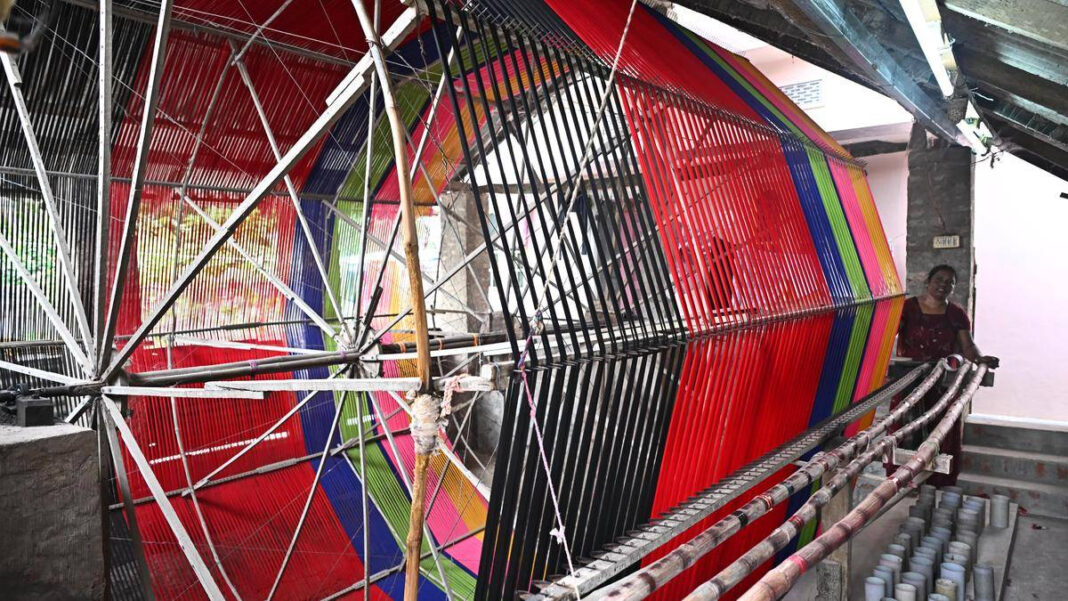
Weaving has long been a cornerstone of Andhra Pradesh’s economy, with the region known for its exquisite sarees and textiles, such as the iconic Pochampally and Ikat. These crafts not only embody the rich cultural heritage of the state but also provide livelihoods to countless families. However, the livelihood of these artisans is increasingly jeopardized by rising production costs and dwindling demand.
The Debt Cycle
The plight of weavers is often exacerbated by a lack of access to affordable credit. Many weavers resort to borrowing money from informal lenders at exorbitant interest rates. This vicious cycle of debt traps them further, as the demands of their lenders often require them to produce more textiles than they can sell.
Compounding the issue, weavers face stiff competition from mass-produced textiles and cheaper alternatives available in the market. The influx of synthetic fabrics threatens the market for traditional handloom products, leading to diminished sales and increased financial strain on local artisans.
Economic Pressures
The economic fallout from the pandemic has worsened the situation. With markets closing and demand plummeting, weavers have struggled to sell their products. This has led to unmanageable stock levels and further financial losses. Many families, relying solely on this profession, are now unable to meet basic needs, contributing to a significant rise in poverty among artisan communities.
The government’s interventions have been limited, and much-needed support has often been slow to materialize. Financial schemes aimed at alleviating the burden of debt have not reached the grassroots level effectively. Weavers are often unaware of the benefits available to them or find navigating bureaucratic processes overbearing.
Need for Comprehensive Support
To combat the looming debt trap, a multi-pronged approach is necessary. Here are several recommendations to mitigate the crisis:
-
Access to Affordable Credit: Establishing cooperative banks or microfinance institutions that offer loans at reasonable interest rates can prevent weavers from turning to exploitative moneylenders.
-
Market Development: Increasing awareness about handloom products through promotional campaigns can boost sales. Additionally, supporting weavers in exploring e-commerce platforms could open new markets for their products.
-
Skill Development Programs: Providing training in modern techniques and design can enhance the quality and appeal of traditional textiles, making them more competitive in today’s market.
-
Policy Reforms: The government must create policies that protect and uplift the handloom sector, including subsidies, tax incentives, and export support.
- Community Support Programs: Programs designed to bring together weavers for collective bargaining and group sales can help them achieve better prices for their goods and reduce individual vulnerabilities.
Conclusion
The debt trap looming over weavers in Andhra Pradesh signifies more than just individual financial distress; it reflects a larger cultural and economic crisis that threatens to erase centuries of craftsmanship. It is crucial for stakeholders — from the government to consumers — to recognize the value of traditional crafts and work together to forge a path that empowers these artisans. By investing in their future, we can preserve the rich heritage of weaving in Andhra Pradesh while securing livelihoods for generations to come.