 "
/>
"
/>

What is Analogue Paneer?
Why is FSSAI Taking Action Now?
What Proposals Has FSSAI Made?
Is Analogue Paneer Safe to Consume?
Can Consumers Recognize Analogue Paneer?
Is There a Ban on “Fake Paneer”?
What is Analogue Paneer, and Why is FSSAI Cracking Down on It? | Explained
In recent years, the popularity of paneer has surged in India, as it is a staple source of protein, particularly for vegetarians. However, the rising demand has led to the emergence of a controversial alternative: analogue paneer. This product, often marketed as a cheaper substitute for traditional paneer, has caught the attention of the Food Safety and Standards Authority of India (FSSAI), prompting crackdowns due to concerns over food safety and consumer rights. This article explores what analogue paneer is and why it has become an issue of regulatory concern.
What is Analogue Paneer?
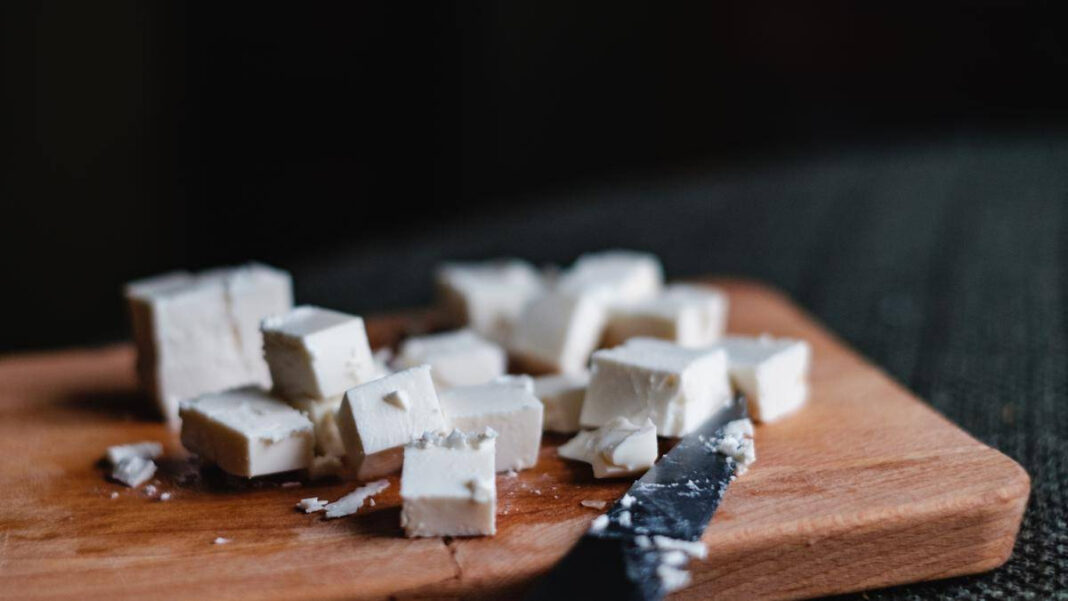
Analogue paneer is a synthetic dairy product designed to imitate the taste and texture of traditional paneer. Unlike real paneer, which is made from cow’s or buffalo’s milk through a process of curdling and pressing, analogue paneer is typically produced using a blend of non-dairy fats, proteins, and emulsifiers. This product may also contain starches and artificial flavors to enhance its resemblance to real paneer.
The production of analogue paneer allows manufacturers to reduce costs significantly, making it an attractive option for restaurant owners and food service providers. Furthermore, the longer shelf life of analogue paneer compared to traditional dairy products makes it an appealing choice for businesses looking to manage inventory and reduce waste.
The FSSAI’s Concerns
The FSSAI, tasked with ensuring food safety in India, has raised alarms regarding the production and sale of analogue paneer for several reasons:
-
Consumer Misleading: One of the primary concerns is that analogue paneer is often sold without clear labeling, leading consumers to mistakenly believe they are purchasing and consuming genuine paneer. This deception can undermine consumer trust in food labeling and safety standards.
-
Nutritional Quality: Analogue paneer typically lacks the nutritional profile of real paneer, which is rich in proteins, vitamins, and minerals. Reliance on such substitutes can lead to nutritional deficiencies, especially among populations that depend on paneer as a core source of nutrition.
-
Food Safety Risks: The ingredients used in the production of analogue paneer often include chemical additives and preservatives that may pose health risks. The FSSAI’s role is also to ensure that all food products adhere to hygiene and safety standards; the production of unregulated analogue paneer raises questions about compliance with these guidelines.
- Economic Impact: The rise of analogue paneer affects genuine dairy farmers and manufacturers. When consumers opt for cheaper alternatives, it can undermine the livelihoods of traditional dairy producers, skewing market dynamics.
Recent Regulatory Actions
In an effort to combat the proliferation of analogue paneer, the FSSAI has initiated investigations and has called for stricter regulations concerning the labeling and sale of such products. The aim is to establish clear definitions and standards for what can be classified as paneer and ensure that products misleadingly labeled as paneer undergo rigorous testing for quality and safety.
As part of this crackdown, businesses found to be mislabeling analogue paneer or failing to disclose its non-dairy content may face penalties, including fines and the revocation of licenses. The FSSAI has also increased public awareness campaigns to educate consumers about their rights and the importance of reading labels.
Conclusion
The emergence of analogue paneer highlights a significant challenge within the food industry regarding consumer trust, food safety, and economic fairness for producers. FSSAI’s proactive stance aims to protect consumers while ensuring that traditional dairy farming is not undermined by deceptive practices. As consumers become more discerning about the foods they choose, the regulation and transparency of food production methods will remain vital in preserving the integrity of traditional Indian cuisine and ensuring the health of the population. As such, it is crucial for both consumers and producers to stay informed about these developments in the food landscape.