 "
/>
"
/>

Xi Jinping Advocates for Partnership Over Rivalry with the U.S.
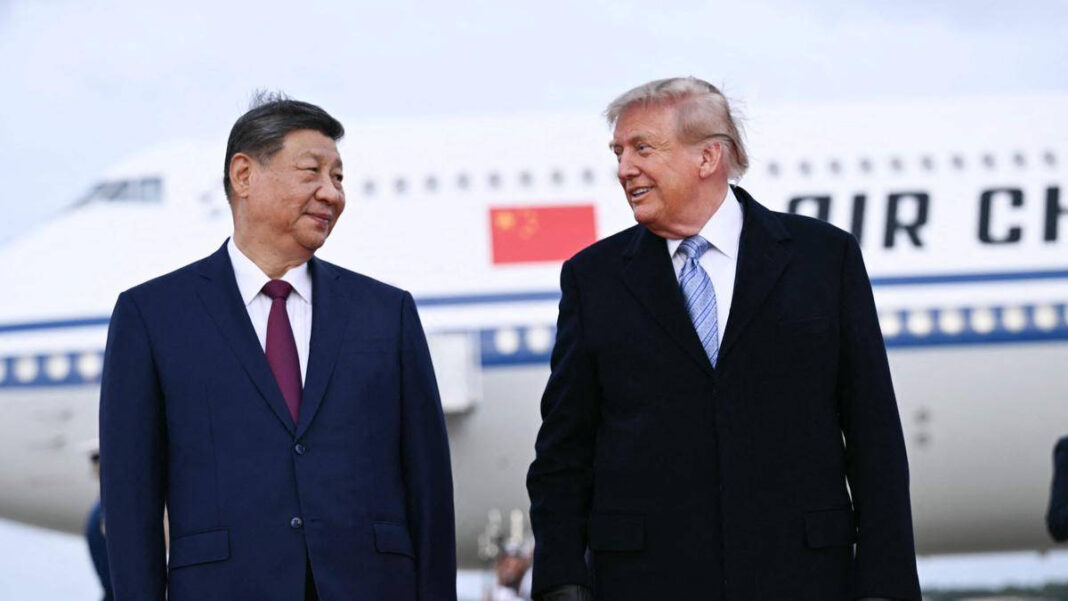
In a recent address that has garnered significant attention, Chinese President Xi Jinping emphasized the importance of fostering a cooperative relationship between China and the United States. According to state media reports, Xi articulated that both nations should strive to be “partners rather than rivals,” highlighting a vision for a collaborative future amidst ongoing geopolitical tensions.
A Timely Message
Xi’s remarks come at a crucial juncture when U.S.-China relations have been characterized by escalating competition, particularly in trade, technology, and military influence in the Asia-Pacific region. The COVID-19 pandemic, climate change, and global economic recovery have further strained ties, making Xi’s call for partnership a timely appeal for dialogue and mutual understanding.
During a meeting with U.S. business leaders and policymakers, Xi underscored the potential for collaboration on pressing global challenges, including climate action, public health, and economic stability. He reminded attendees that both nations, as major global powers, have significant responsibilities and opportunities to work together for the betterment of the international community.
Reaffirming Economic Ties
The Chinese leader also highlighted the economic interdependence between the two countries, noting that deep trade connections have benefited both nations and contributed to global economic growth. He urged for the reduction of barriers to trade and investment, advocating for an environment where businesses can thrive without the fear of political fallout.
“Cooperation is the only correct choice for our countries,” Xi stated, reiterating that a confrontational approach would lead to a lose-lose scenario. This sentiment was echoed by many who participated in the meeting, who emphasized that fostering a stable economic relationship would require both sides to engage in constructive dialogue and mutual respect.
Addressing Strategic Concerns
While advocating for partnership, Xi did not shy away from acknowledging the strategic concerns that have arisen in recent years. Tensions in the South China Sea, Taiwan relations, and broader military posturing have led to a perception of rivalry between the two powers. Balancing national security interests with the desire for collaboration will be a complex task for both leaders.
Experts suggest that for Xi’s message to translate into tangible changes in relations, both sides will need to engage in frank discussions about their differences. Building trust and establishing confidence-building measures may pave the way for more productive interactions, as both nations navigate a multipolar world where they cannot afford to act solely within a framework of rivalry.
Challenges Ahead
Despite the positive tone of Xi’s statements, the path toward a partnership remains fraught with challenges. Domestic politics in both countries often complicate foreign policy, with nationalism on the rise and bipartisan skepticism about cooperation in the United States, especially related to issues such as human rights and trade practices.
Moreover, key players in both governments will need to address contentious issues directly—like intellectual property theft, cybersecurity, and the influence of China in international organizations—if they hope to build the trust necessary for a genuine partnership.
Conclusion
Xi Jinping’s call for China and the U.S. to act as partners rather than rivals reflects an understanding of the intricate interconnectedness of the modern world. As both nations face myriad global challenges, from climate change to economic instability, collaboration could yield substantial benefits. However, achieving this vision will require overcoming significant hurdles, reinforcing the notion that dialogue, respect, and understanding must remain at the forefront of international relations. The road ahead will be challenging, but it is clear that the stakes are high for both nations and the broader global community.