 "
/>
"
/>

First Motion in March Dismissed
April Notice Still Pending in Rajya Sabha
Opposition to Move Fresh Notice for CEC’s Removal: INDIA Bloc Mulls Joint Action
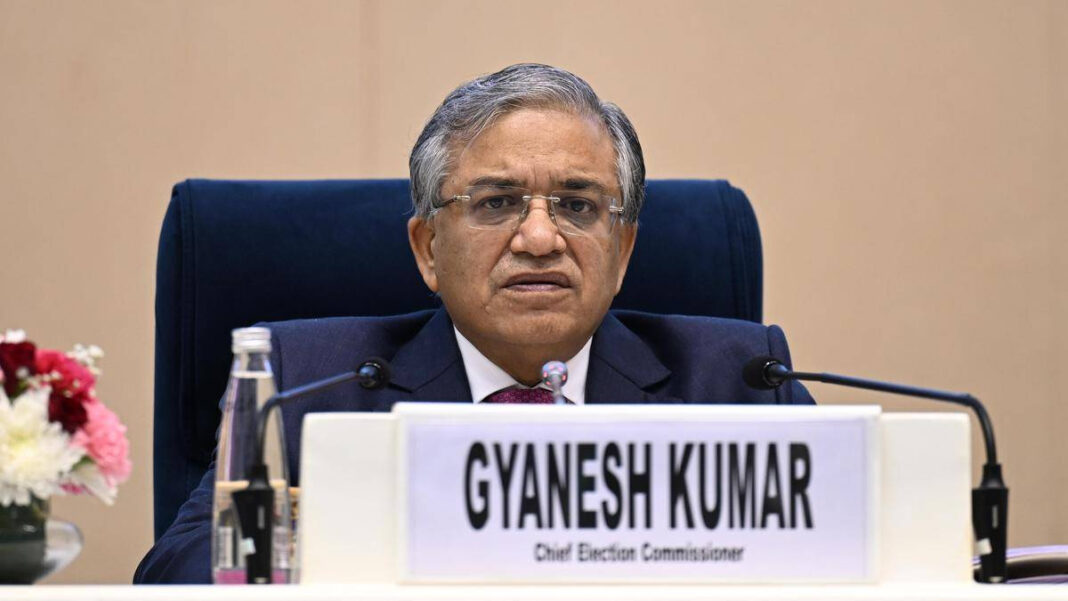
In recent developments within India’s political landscape, a significant stir has been created with the opposition parties contemplating a fresh notice for the removal of the Chief Election Commissioner (CEC). The call for his ousting is rooted in concerns regarding the impartiality and credibility of the electoral processes under his supervision. As anticipation builds around this potential political maneuver, the INDIA bloc—a coalition of various opposition parties—has begun to strategize its joint course of action.
The Background
The Chief Election Commissioner (CEC) is a crucial figure in maintaining the integrity of India’s democratic framework. Appointed by the President of India, the CEC oversees free and fair elections, ensuring that the democratic process is free from manipulation and bias. However, over the past year, criticisms regarding the CEC’s decisions and handling of various electoral issues have intensified.
Political commentators note that the contentious political climate, dues to rising tensions between the ruling party and the opposition, has prompted calls for a reevaluation of the CEC’s tenure. Allegations have surfaced concerning the CEC’s perceived favoritism towards the ruling party, thereby threatening the impartiality required for overseeing elections.
Opposition Parties Unite
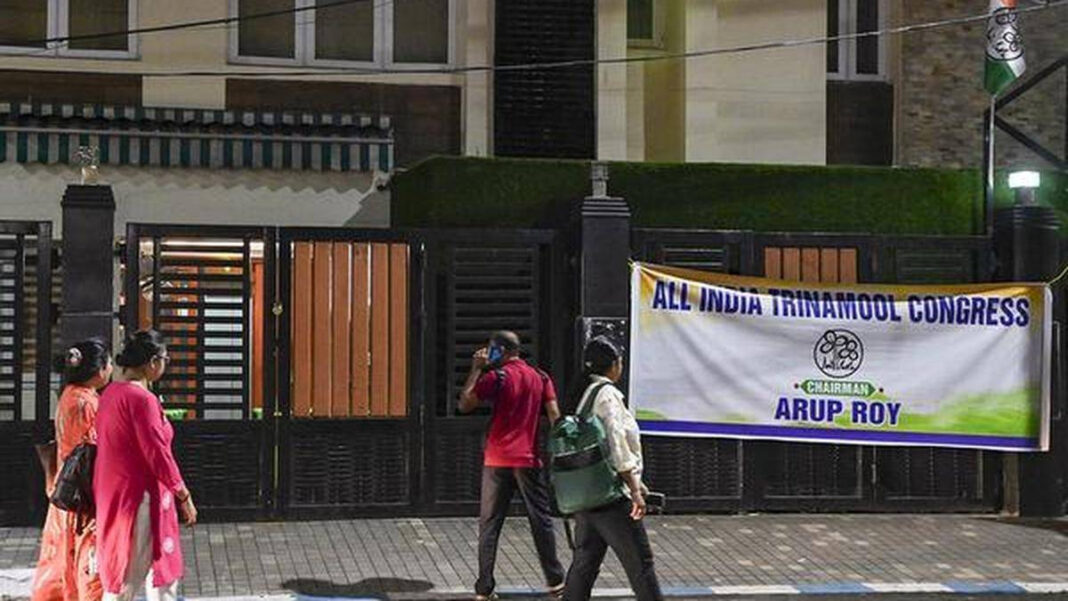
In response to these allegations, the INDIA bloc, which comprises several major opposition parties, including the Congress, Trinamool Congress, Aam Aadmi Party, and others, convened to deliberate on a cohesive strategy. Sources suggest that leaders within the coalition recognize the need for a united front to address what they believe is a systemic threat to democracy.
A joint action plan may include formal petitions, rallies, and mobilizing public opinion against the current CEC. The bloc’s members argue that a transparent electoral process is paramount for the health of India’s democracy, and they believe that the removal of the CEC could restore public faith in electoral institutions.
Legal and Procedural Challenges
While the opposition seeks to move a fresh notice for the CEC’s removal, the process is fraught with legal and procedural challenges. The removal of a CEC requires a two-thirds majority in both houses of Parliament, which remains dominated by the ruling party. This raises questions about the feasibility of the opposition’s efforts and whether they can galvanize enough support from other parties to mount a serious challenge.
Moreover, the political ramifications of such a move could be profound, with potential repercussions not just for the CEC but also for the opposition bloc itself. Analysts warn that if the motion fails, it could diminish the credibility of the opposition’s claims and their overall strategy moving forward.
Implications for Indian Democracy
The current situation serves as a litmus test for the robustness of India’s democratic processes. With increasing scrutiny of the electoral body, the actions taken by both the ruling party and the opposition will play a crucial role in shaping public perception. The move to call for the CEC’s removal may not only signal a pursuit of accountability but could also exacerbate partisan tensions, impacting future electoral processes.
In conclusion, as the INDIA bloc mulls its next steps regarding the CEC’s potential ousting, the forthcoming weeks are likely to be pivotal. The outcome could set the tone for the political battleground leading up to the next series of elections and will undeniably come to define the relationship between India’s electoral body and its political entities. The quest for maintaining the sanctity of India’s democratic framework continues, with all eyes watching the actions of both the opposition and the ruling party in this unfolding saga.