 "
/>
"
/>

Pentagon Investigates After China Obtains Parts from F-35 Stealth Fighter Jet
The Pentagon has recently embarked on a thorough investigation following reports that China has managed to acquire parts from the advanced F-35 stealth fighter jet. This revelation raises serious concerns regarding national security and the ongoing technological rivalry between the United States and China, as both nations vie for supremacy in military capabilities.
Background of the F-35 Program
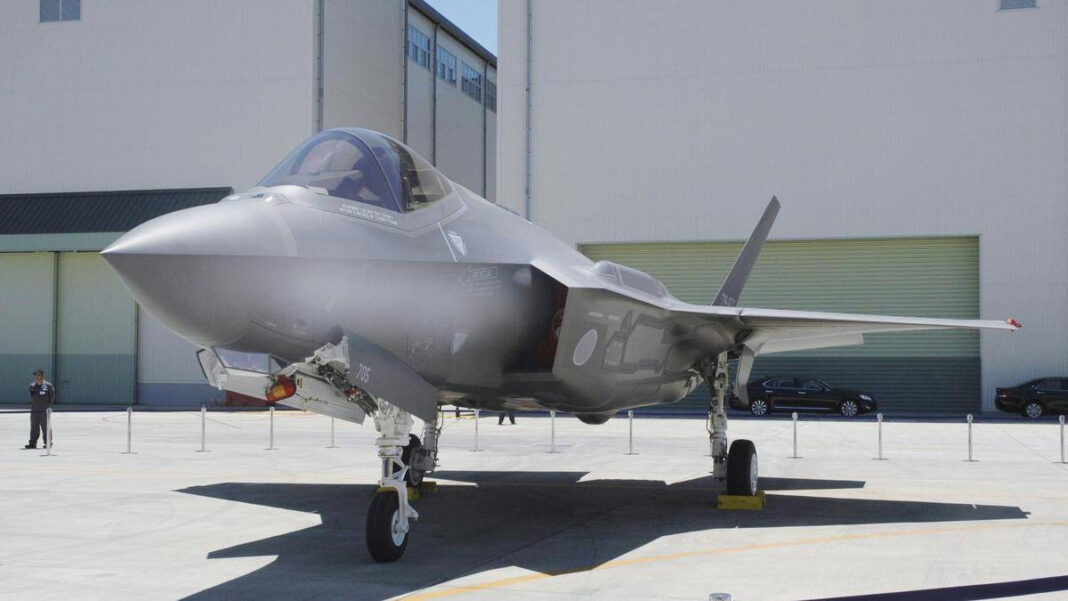
The F-35 Lightning II, developed by Lockheed Martin, is a fifth-generation multirole stealth fighter jet designed for a variety of missions, including air-to-air combat and ground attack. Featuring advanced stealth technology, sensors, and weapons systems, the F-35 is a critical asset in the U.S. military’s arsenal. Its sophisticated design ensures that it can evade radar detection, making it a vital component for maintaining air superiority in modern warfare.
The Incident: Parts Acquisition and Its Implications
According to sources within U.S. defense circles, China is believed to have acquired components possibly through illicit means, which raises alarms about the implications for U.S. military prowess. While specifics about how the acquisition occurred remain scant, the incident underscores vulnerabilities within the supply chain of cutting-edge military technology.
The potential reverse-engineering of these parts could provide China with insights into the F-35’s design, capabilities, and potential weaknesses. Such developments could enable Chinese engineers to enhance their own military technology, potentially leveling the playing field in aerial combat and surveillance.
Response from the Pentagon
In response to these troubling reports, the Pentagon has acknowledged the situation and is mobilizing resources to conduct a comprehensive investigation. Officials are examining procurement practices, supply chain integrity, and potential security breaches that could have allowed for this acquisition.
The inquiry will also review the measures in place to protect sensitive military technologies and assess whether further steps are required to safeguard such assets from adversarial states. The Pentagon has emphasized its commitment to maintaining technological superiority and is likely to implement more stringent security protocols to mitigate risks in the future.
Broader Context: U.S.-China Relations
The investigation takes place against the backdrop of intensifying U.S.-China relations characterized by competition in technology and military advancements. The U.S. has long viewed China’s military modernization and technological advancements—especially in aviation and cyber capabilities—as significant challenges to its strategic interests.
This incident adds fuel to the increasing concern over technology transfer and espionage, which have been focal points in U.S.-China relations. The U.S. government has previously accused Chinese entities of engaging in cyber espionage and intellectual property theft, further complicating diplomatic efforts between the two nations.
The Road Ahead
As the Pentagon probes this unsettling incident, the implications for defense policy and international relations are significant. The findings of the investigation could lead to enhanced legislative measures aimed at protecting sensitive military technologies, as well as increased scrutiny of foreign procurement and partnerships.
Additionally, this situation may prompt the U.S. to accelerate investment in next-generation technologies and further strengthen alliances with international partners to counterbalance China’s military advancements.
In conclusion, the Pentagon’s investigation into China’s acquisition of parts from the F-35 demonstrates the complexities of modern military competition and the evolving landscape of national security. As the fallout from this incident unfolds, it serves as a reminder of the vital importance of safeguarding technological innovations that underpin military effectiveness and strategic deterrence.