 "
/>
"
/>

U.S. and China must steer clear of the ‘Thucydides Trap’: Xi
Two pandas to arrive at Atlanta zoo in a few days: Xi
U.S. and China Must Steer Clear of Conflict and Confrontation: A Message from Xi at the White House
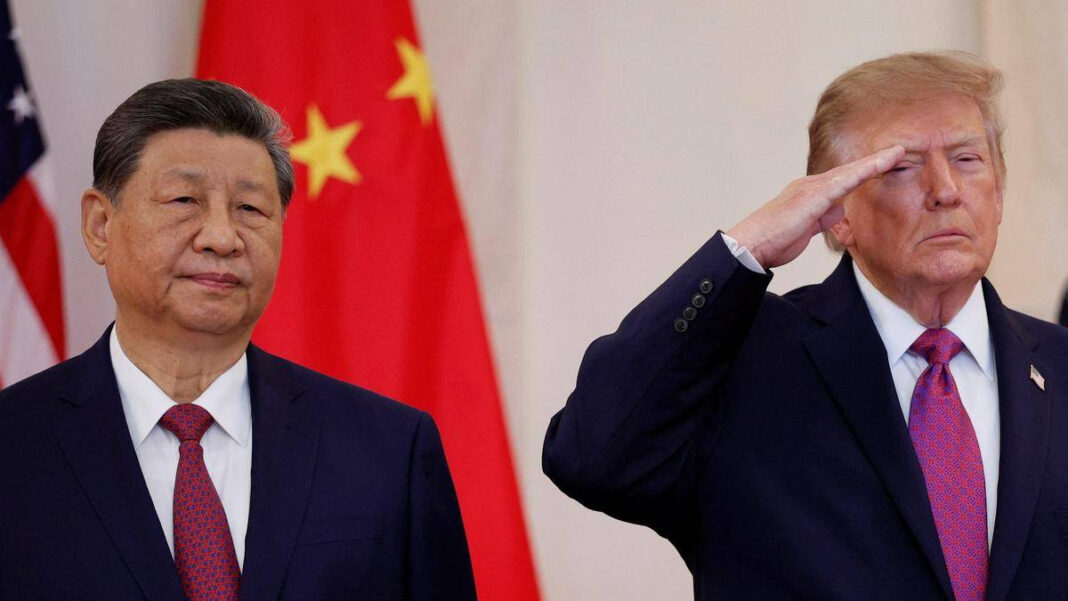
In a historic meeting at the White House, Chinese President Xi Jinping delivered a crucial message underscoring the importance of cooperation and stability in U.S.-China relations. As the world’s two largest economies and influential global powers, the dynamic between the U.S. and China plays a significant role in shaping international relations and addressing global challenges. Xi’s insistence on steering clear of conflict and confrontation serves as a critical reminder of the need for diplomacy and collaboration in an increasingly complex geopolitical landscape.
The Context: Tensions and Opportunities
In recent years, U.S.-China relations have faced numerous challenges, ranging from trade disputes to tensions in the South China Sea, human rights concerns in Xinjiang, and differing approaches to global governance. The COVID-19 pandemic further strained ties, leading to accusations and blame between the two nations. These tensions have underscored the necessity for open dialogue and trust-building measures to prevent misunderstandings and escalation.
During his address, Xi acknowledged the historical complexities of U.S.-China relations, stressing that both nations stand to gain from a cooperative partnership. He emphasized that reducing the risk of confrontation is essential not only for the well-being of both countries but also for global stability. “The world is undergoing profound changes unseen in a century,” Xi remarked. “It is vital that we handle our differences in a constructive manner and focus on our shared interests.”
Areas for Collaboration
Despite their differences, the U.S. and China share numerous common interests where collaboration could yield significant benefits. Climate change, public health, and economic stability are pressing global issues that require collective action. Xi highlighted the importance of joint efforts in combating climate change, noting that both nations are pivotal to the success of international agreements like the Paris Accord.
Moreover, public health initiatives—including pandemic preparedness and response—present another avenue for cooperation. The lessons learned from the COVID-19 crisis demonstrated that global health challenges transcend national borders and necessitate collaborative strategies.
Strategic Competition versus Cooperation
While Xi’s call for a cooperative approach was echoed throughout the summit, the underlying reality of strategic competition remains. The U.S. has increasingly been re-evaluating its stance toward China, emphasizing the need to counter perceived aggression in the Asia-Pacific region. Military posturing and economic rivalry have become defining features of U.S.-China relations.
Nonetheless, Xi’s message is a reminder that confrontation can lead to destabilizing outcomes. Open channels of communication and engagement may mitigate misunderstandings and reduce the likelihood of conflict. It is essential for both nations to establish mechanisms that prioritize dialogue, ensuring that competition does not escalate into hostility.
The Role of Global Governance
As the leaders discussed the future of global governance, it became clear that both the U.S. and China have a significant role to play. From the United Nations to climate summits, multilateral engagement can lead to shared solutions that benefit both countries and the world at large. Xi’s vision of a cooperative future hinges on both nations’ willingness to embrace their responsibilities as global leaders and work towards a fairer, more sustainable international order.
Conclusion: A Path Forward
Xi’s address at the White House could serve as a pivotal moment in redefining U.S.-China relations. While the challenges are daunting, the potential for cooperation offers a path to a more stable and prosperous future. By steering clear of conflict and confrontation, both nations can work towards mutual respect, trust, and collaboration—benefiting not only their citizens but the global community as a whole. As the dynamics of international relations continue to evolve, a commitment to diplomacy will be essential in fostering a world where understanding prevails over discord.