 "
/>
"
/>

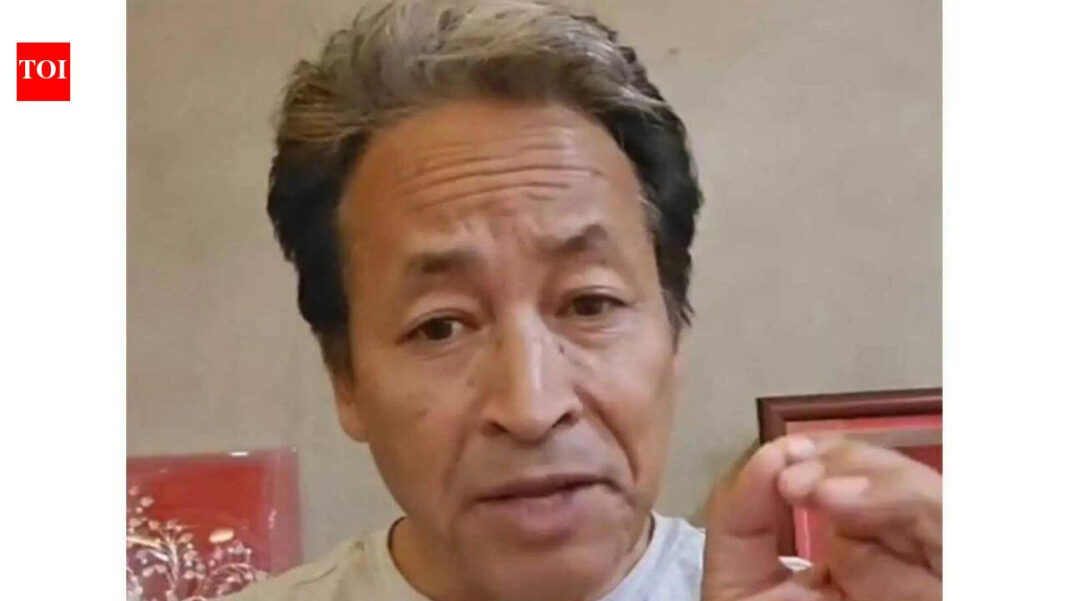
Wangchuk Fears ‘Encounter’ After Accusing Government of Ladakh Atrocities
Introduction
The political landscape in Ladakh has become increasingly tense following allegations made by prominent activist Sonam Wangchuk, who has accused the local government of perpetrating atrocities against the indigenous people of the region. His outspoken criticisms have raised concerns not only regarding the treatment of Ladakhis but also about his own safety, as he has expressed fears of a potential “encounter.” This article delves into Wangchuk’s claims, the backdrop of the regional political climate, and the implications of such fears.
Background
Sonam Wangchuk is a renowned educator and environmentalist, widely recognized for his efforts in promoting sustainable development in Ladakh. He rose to prominence through his innovative approaches to education and his commitment to preserving the region’s unique culture and ecology. In recent years, however, the political situation in Ladakh has become increasingly fraught, especially following the region’s transition to a Union Territory in 2019.
Since this change, there have been growing concerns among Ladakhis regarding the preservation of their identity, land rights, and autonomy. Activists like Wangchuk have taken to the forefront, demanding greater political representation and the safeguarding of local resources from exploitation.
Allegations Against the Government
Wangchuk has accused the government of numerous injustices, including land dispossession, environmental degradation, and the marginalization of local voices in decision-making processes. He argues that government policies have prioritized outside interests, often at the expense of the indigenous population’s rights and livelihood.
His critiques have been met with considerable resistance from governmental authorities. As he continues to rally support for his cause, concerns about retaliation from the state have been mounting. Wangchuk’s recent statements indicate that he feels increasingly vulnerable, leading to his expressed fear of being targeted in what he termed an “encounter” — a term often used in the context of extrajudicial killings in India.
Implications of Wangchuk’s Fears
Wangchuk’s apprehensions aren’t merely personal; they symbolize a broader climate of fear among activists in Ladakh and across India. The fear of violent reprisals against dissenters is not new, and Wangchuk’s situation underscores the risks faced by those who challenge powerful authorities. It raises critical questions about freedom of expression, human rights, and the protection of dissent in a democratic society.
His fears also compel an urgent dialogue about the treatment of regional activists and the importance of ensuring safe spaces for civic engagement. As Wangchuk continues to speak out against government policies, the implications of his claims extend beyond Ladakh, highlighting the need for greater accountability and transparency within government actions.
Community Response
The local community’s response to Wangchuk’s allegations has been mixed. While many recognize him as a voice for the oppressed, others remain cautious, fearing that overt dissent could further provoke state retaliation. This division reflects a broader dilemma faced by many indigenous and minority groups, caught between the desire for justice and the realities of political suppression.
Activist groups, both within Ladakh and from neighboring regions, have rallied behind Wangchuk, calling for solidarity and support. Social media campaigns and public demonstrations have emerged, urging local and national governments to address the grievances of the Ladakhi people and protect their advocates.
Conclusion
Sonam Wangchuk’s fears of an encounter following his accusations against the government of Ladakh reflect the growing tensions in a region grappling with profound political and social change. His commitment to advocating for the rights of the Ladakhi people, despite the personal risks involved, highlights both the challenges and the resilience of activists in the region. As the situation unfolds, it is essential for civil society and human rights organizations to monitor developments closely and ensure that the voices of indigenous peoples are heard and respected. The preservation of democracy and human rights in Ladakh can only be achieved by fostering an environment where dissent is not met with fear, but rather, with dialogue and understanding.