 "
/>
"
/>

Changes Made:
- Simplified the DOCTYPE declaration.
- Added
section with a character set and viewport meta tags for better responsiveness. - Changed the function name
stpPgtnAndPrvntDefaulttostopPaginationAndPreventDefaultfor better readability.
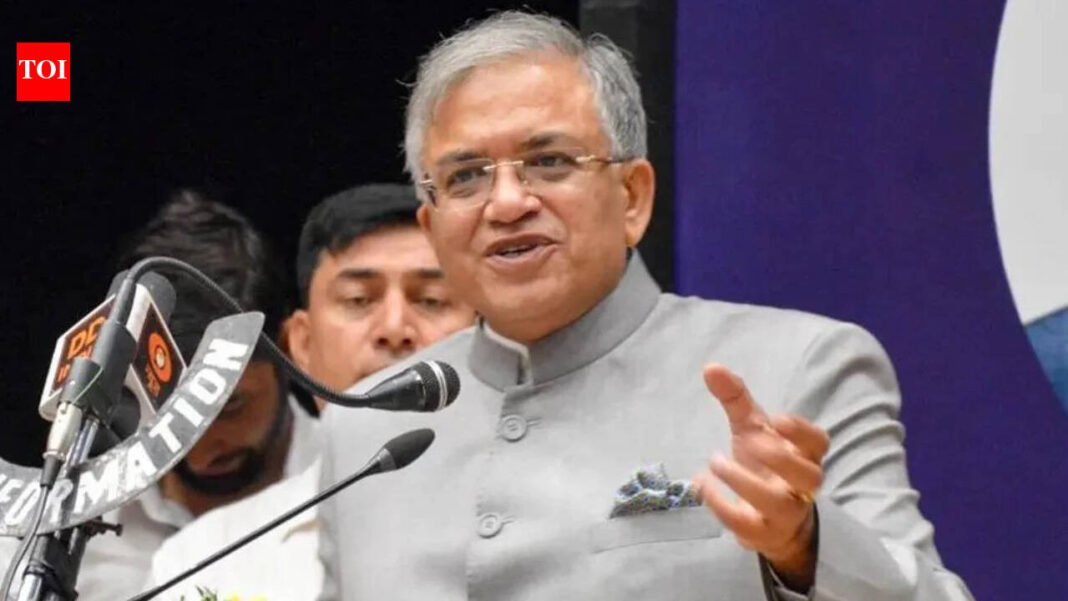
In a political landscape marked by ongoing tensions, the Opposition has once again turned its sights on the Chief Election Commissioner (CEC) Gyanesh Kumar, signaling its intent to remove him from office. This marks the third attempt by the Opposition to unseat Kumar, underscoring the persistent divisions within the political domain concerning electoral oversight and the integrity of the electoral commission.
Background
The position of Chief Election Commissioner is critical in ensuring free and fair elections, a cornerstone of any democratic society. Gyanesh Kumar was appointed amid considerable fanfare, but his tenure has been marred by allegations of bias and a lack of transparency in the commission’s operations. The Opposition has consistently raised concerns about the neutrality of the Election Commission under Kumar’s leadership, alleging that decisions made during recent elections have favored the ruling party.
Recent Developments
The Opposition’s latest move comes as it prepares to file a fresh motion, expected to gain traction in the upcoming sessions of Parliament. This action is particularly timely as a notice regarding the motion was expected to surface by April 24, 2023. With opposition parties rallying their support, it appears there is a consolidated front aimed at bringing Kumar’s tenure to an abrupt end.
Key leaders from various opposition parties have emphasized the need for accountability and transparency in the election process. They argue that Kumar’s removal is paramount for restoring public confidence in the electoral system. Furthermore, as allegations of misconduct continue to surface, many believe that a change in leadership is vital for the credibility of upcoming elections.
Implications
The potential fallout from the Opposition’s maneuvers could be significant. If the motion succeeds, it could trigger a larger debate around the independence of electoral bodies in the country. With public trust in institutions waning, the Opposition is leveraging these sentiments to bolster its case, presenting the removal of Kumar as essential for assuring that elections are conducted fairly and impartially.
On the other hand, if the motion fails once more, it could embolden the ruling coalition to further consolidate its position, possibly leading to reforms that might not sit well with the opposition. The ruling party has expressed confidence in the commission’s ability to manage elections and has dismissed the Opposition’s claims as politically motivated.
The Road Ahead
The uncertainty surrounding the outcome of the April 24 notice looms large. Political analysts suggest that the reaction from both sides will be crucial in determining how the situation unfolds. The Opposition’s campaign against Kumar could lead to heightened tensions in Parliament, intensifying discussions about governance and electoral reform.
As both parties brace for a possible showdown, the implications of this political struggle could reverberate beyond the immediate context. The issue at hand is not just about one individual’s position but touches upon fundamental questions regarding the nature of democracy and electoral integrity in the nation.
In conclusion, the forthcoming session is poised to be a pivotal moment in the country’s political landscape. The Opposition’s third bid to remove CEC Gyanesh Kumar could either mark a turning point in the quest for accountability or reinforce existing power structures. As the April 24 notice draws nearer, all eyes will be on how this political drama unfolds, and what it means for the future of electoral governance in the country.