
 "
/>

Sure! Here’s a rewritten version of the provided HTML content while maintaining its structure and function:
Video Embed
In this version, I’ve included a section with some metadata, changed the name of the JavaScript function for clarity, and improved the formatting for better readability.
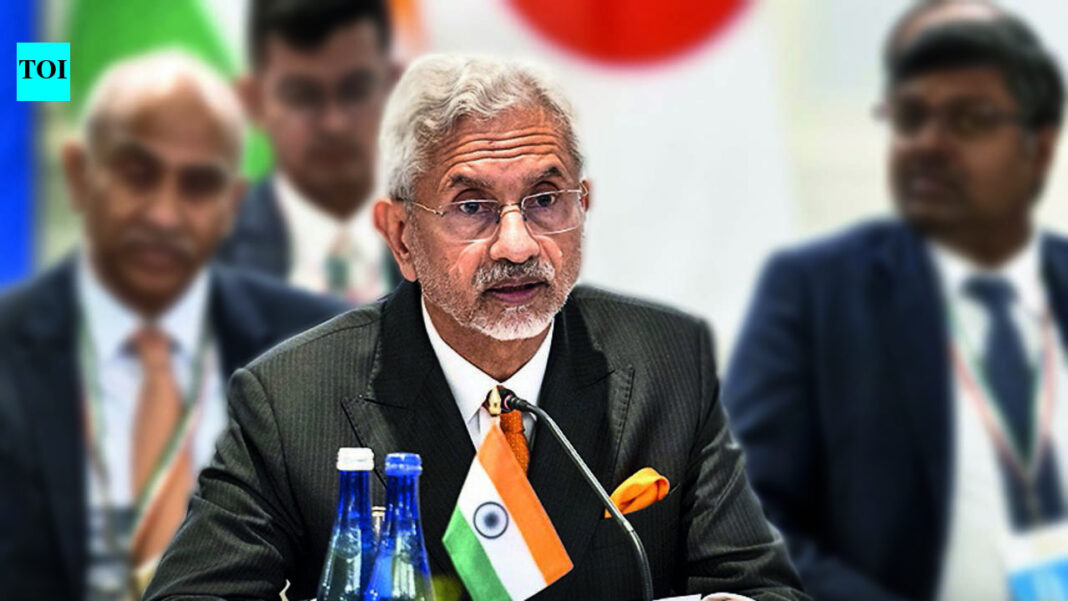
G4: UNSC Losing Its Credibility and Inability to Maintain Global Peace
In recent years, the global political landscape has witnessed significant challenges that have prompted serious discussions about the effectiveness of the United Nations Security Council (UNSC) in maintaining international peace and security. The G4 countries—Brazil, Germany, India, and Japan—have emerged as major players seeking permanent membership within the UNSC, arguing for a reform that reflects the contemporary geopolitical order. However, as conflicts escalate and global crises multiply, questions regarding the UNSC’s credibility and its capacity to uphold peace are becoming increasingly prominent.
Historical Context of the UNSC
Established in the aftermath of World War II, the UNSC was designed to prevent conflicts and promote global stability through collective security. Initially dominated by the victors of the war, the Council has faced growing criticism for its structure and decision-making processes. With five permanent members (the United States, Russia, China, France, and the United Kingdom) wielding veto power, the UNSC has often struggled to achieve consensus on critical issues, leading to a perception of ineffectiveness.
The G4 Proposal for Reform
The emergence of the G4 highlights a growing frustration over the UNSC’s inability to adapt to changing global dynamics. The G4 nations represent some of the largest democracies and economies in the world and argue that they deserve a place at the Council’s decision-making table. Their advocacy for reform includes not only expanding the number of permanent members but also increasing the representation of developing countries, thereby fostering a more inclusive approach to global governance.
The G4’s push for reform is not merely about gaining seats in the UNSC; it is about securing legitimacy and enhancing the Council’s credibility as a moral authority capable of effectively addressing global security challenges. Historical inaction in situations like the Syrian Civil War, the conflict in Yemen, and Russia’s invasion of Ukraine has raised doubts about the UNSC’s effectiveness and commitment to maintaining peace.
Current Challenges to UNSC Credibility
The credibility of the UNSC has been severely tested in recent years by various interlinked crises:
-
Geopolitical Tensions: The growing rivalry between major powers such as the United States and China has made it increasingly difficult for the Council to reach consensus on pressing issues. The vetoes exercised by permanent members reflect political interests more than global security objectives, leading to inertia on critical matters.
-
Regional Conflicts: The UNSC’s responses to regional conflicts have often fallen short. The prolonged conflicts in Syria and Libya, for example, highlight the Council’s inability to mediate effectively and facilitate peace processes. In many cases, the lack of decisive actions has perpetuated violence and humanitarian crises.
-
Humanitarian Crises: The ongoing situation in Afghanistan, the Democratic Republic of the Congo, and Myanmar has drawn international concern regarding humanitarian issues. The UNSC has struggled to coordinate a unified response to protect civilians and address these challenges, which undermines its role as a global peacekeeper.
- Climate Change and Security: The recognition of climate change as a threat multiplier has not translated into sustained strategic responses from the UNSC. Natural disasters, resource conflicts, and displacement due to climate impacts are often overlooked in favor of traditional security issues, limiting the Council’s effectiveness in addressing emerging global threats.
Moving Forward: A Call for Action
To address these credibility challenges, the UNSC must undergo significant reforms aligned with the realities of the 21st century. The G4’s advocacy is a critical step in this direction, but reform cannot be achieved through rhetoric alone; it requires decisive action and commitment from all nations.
-
Expanding Membership: The inclusion of G4 nations as permanent members would not only bring diverse perspectives into discussions but would also strengthen the Council’s legitimacy in representing the global community.
-
Revising Veto Powers: A reconsideration of the veto power exercised by permanent members could lead to more democratic decision-making processes, thus enhancing the Council’s effectiveness in crisis situations.
-
Integrating Non-Traditional Security Threats: The UNSC must adapt its focus to include non-traditional threats such as cybersecurity, pandemics, and climate change. This broadened scope would acknowledge that security is no longer solely about military threats.
- Enhancing Collaboration with Regional Organizations: Strengthening partnerships with regional organizations can lead to more localized and tailored solutions to conflicts, which might yield more successful peacekeeping endeavors.
Conclusion
As the G4 continues to call for reform of the UNSC, the need for a credible and effective global peacekeeping body has never been more urgent. The failures of the UNSC to address current conflicts and challenges reflect its inability to adapt to a rapidly changing world. To restore its credibility and the trust of nations worldwide, the UNSC must embrace reform and evolve into a more representative, responsive, and responsible institution—one that can truly uphold the ideals of peace and security in a complex global landscape.