 "
/>
"
/>

Centre Pleads for Prospective Effect of Supreme Court’s Creamy Layer Ruling
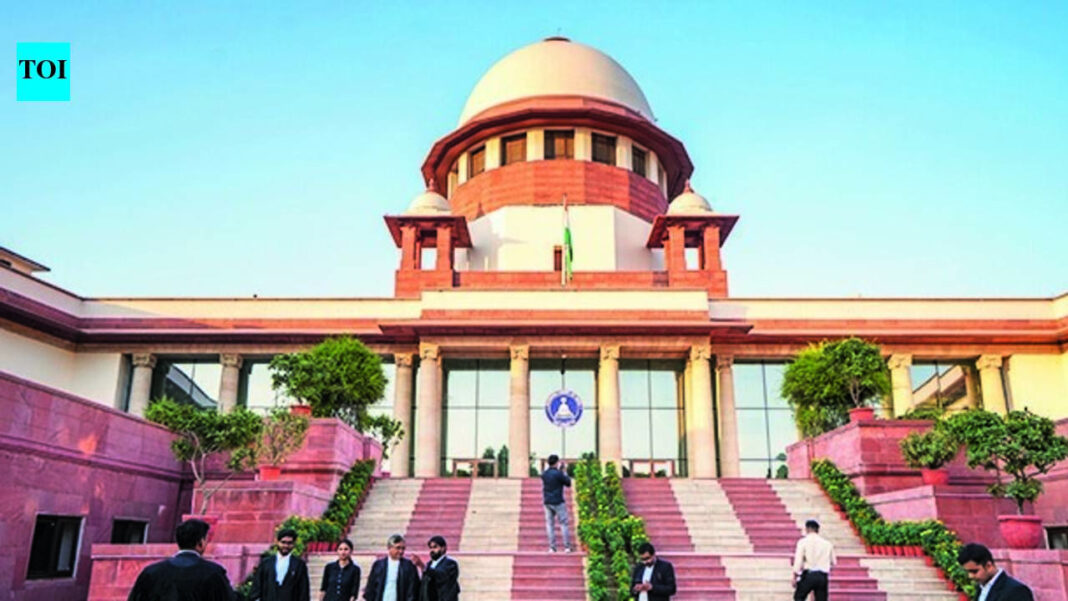
In a significant judicial development, the Supreme Court of India recently pronounced a landmark ruling regarding the interpretation of the “creamy layer” within the framework of reservation policies for Other Backward Classes (OBCs). This ruling has sparked a debate not only within legal circles but also among political leaders and social groups, as its implications extend far and wide, affecting millions of individuals across the country.
What is the “Creamy Layer”?
The term “creamy layer” refers to the more affluent and advanced sections within the OBC category. The Supreme Court’s judgment aimed to clarify the criteria for determining which individuals from OBC communities should be excluded from the benefits of reservation policies. The decision is rooted in the idea that those in the “creamy layer” do not require the same level of assistance and affirmative action as their less privileged counterparts.
The Supreme Court Ruling
In its ruling, the Supreme Court has emphasized the need for a comprehensive and clear understanding of who qualifies as a creamy layer, thereby necessitating a more refined approach to reservation policies. The judges underscored that the exclusion of the “creamy layer” is crucial to ensure that the benefits of reservation reach the most deserving segments of society.
However, one significant aspect of the ruling has come into focus—its prospective effect. The Supreme Court stipulated that the ruling would only apply to future cases and not retrospectively. This is a pivotal detail since it suggests that individuals or groups that may have previously availed of benefits based on their OBC status before the ruling may not be affected by this change immediately.
Centre’s Plea for Prospective Effect
In response to the judgment, the Central Government has formally requested the Supreme Court to reconsider the ruling’s prospective applicability. The Centre argues that the necessity for a retrospective application is paramount to maintain social stability and ensure that already established rights under existing reservation schemes are not abruptly disrupted.
The government is arguing that implementing the ruling retrospectively could lead to widespread unrest among those who have secured admission or employment based on their existing OBC status. Furthermore, the Centre contends that a sudden reevaluation of OBC classifications could undermine the social fabric and exacerbate divisions within communities that have relied on these reservations for generational upliftment.
Implications of the Centre’s Request
Should the Supreme Court accept the Centre’s plea for a retrospective effect, it could significantly impact tens of thousands of individuals currently benefiting from reservations. This move would also set a precedent for future judicial interpretations concerning reservation policies, potentially inviting more legal challenges and political controversy.
On the other hand, if the Court remains steadfast in its decision for a prospective application only, it may prompt the government to undertake an expedited review of the creamy layer criteria and establish new benchmarks that align with the Supreme Court’s vision of equity and justice.
Conclusion
As the litigation surrounding the creamy layer continues to unfold, the Supreme Court’s decision and the Centre’s plea represent a critical moment for the future of affirmative action in India. The outcome will undoubtedly shape the landscape of social justice and reservation policies, stirring robust discourse about equity, development, and the mechanisms necessary for creating an inclusive society.
The debate encapsulates not only a legal dilemma but also profound societal implications, highlighting the complex interplay between law, social justice, and the aspirations of marginalized communities seeking equitable opportunities in an evolving socioeconomic landscape. The coming months will be pivotal as stakeholders, from government officials to advocacy groups, navigate the repercussions of this landmark ruling in their quest for a fair and just society.