
Title: Supreme Court Directs Election Commission to Establish Timeline for Resolving TMC Faction Dispute
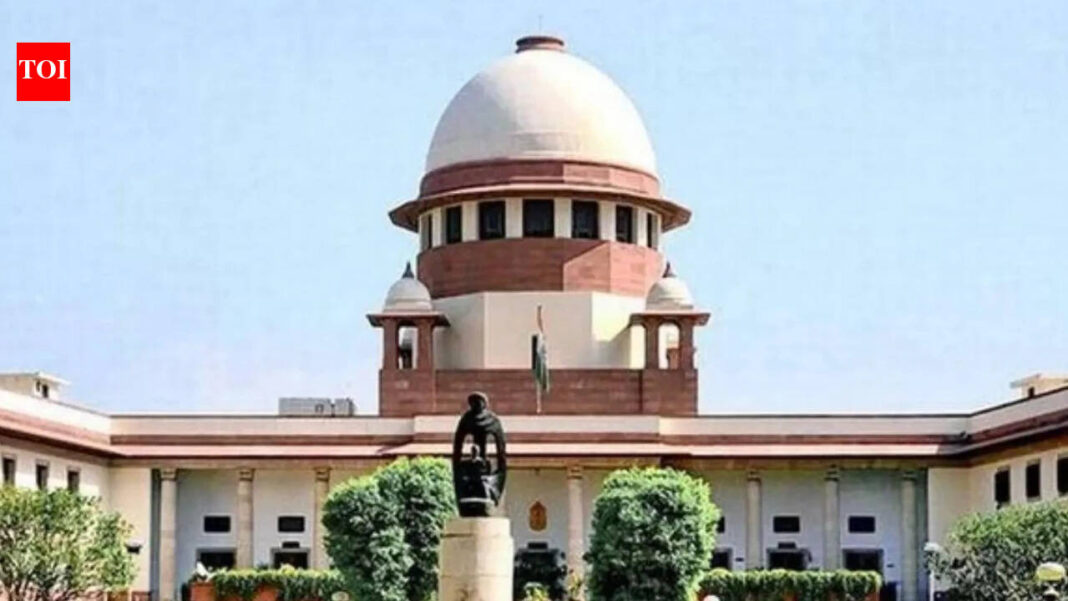
In a significant development for Indian politics, the Supreme Court of India has directed the Election Commission (EC) to set a definitive timeline for addressing the ongoing dispute over the name and symbol of the Trinamool Congress (TMC) factions. This ruling underscores the urgent need for legal clarity and organizational stability within one of West Bengal’s prominent political parties, especially in light of upcoming electoral challenges.
Background of the Dispute
The Trinamool Congress, founded by Mamata Banerjee in 1998, has been a crucial player in West Bengal’s political landscape. However, internal rifts have emerged in recent years, resulting in factions within the party claiming rights over its identity, including its name and electoral symbol. The issue escalated when a splinter group, led by dissenting leaders, sought independent recognition and the ability to contest elections under the TMC banner.
The Election Commission, tasked with adjudicating party disputes and ensuring free and fair elections, has faced mounting pressure to resolve the matter expediently. The lack of resolution has not only led to confusion among party loyalists but has also raised concerns about the integrity of the electoral process in a state where the TMC has historically enjoyed significant support.
The Supreme Court’s Intervention
Amidst these ongoing tensions, the Supreme Court’s decision to intervene signals a pivotal moment for the TMC. By mandating the Election Commission to establish a clear timeline for the resolution of the name and symbol dispute, the apex court aims to restore order and provide a level playing field for all factions involved. The court emphasized that timely interventions were necessary to uphold democratic principles and the electorate’s right to make informed choices in upcoming elections.
Justice Chandrachud, leading the bench, articulated the necessity of establishing a framework for prompt resolution, reiterating the commitment to safeguarding the democratic process. The court has instructed the EC to consider the legal implications of the dispute carefully and to prioritize the swift adjudication of factions’ claims.
Implications for West Bengal Politics
The Supreme Court’s directive has far-reaching implications for West Bengal’s political dynamics. With state assembly elections approaching, the TMC factions are under pressure to resolve their disputes, as continued infighting could weaken their electoral prospects. Voter sentiment could be influenced by perceptions of disunity and factionalism, leading to potential gains for opposition parties.
Moreover, the ruling emphasizes the role of the Election Commission as a neutral arbiter in intra-party disputes, reaffirming its institutional authority. The EC’s swift action in this matter will be critical in maintaining electoral integrity and public trust in the democratic process.
Conclusion
The Supreme Court’s call for a timeline to resolve the TMC’s name and symbol dispute underscores the importance of coherence and unity within political parties, especially those with a significant electoral footprint. As West Bengal prepares for its next electoral battle, the resolution of this dispute will be pivotal in shaping the political future of the TMC and the state’s governance. The eyes of the electorate, along with political analysts nationwide, will keenly observe how this situation unfolds and the impact it will have on the broader political landscape of India.