

By The Sampadak Express
On World Bee Day, a growing movement across India highlights how sustainable agriculture is restoring balance to farmlands and pollinator populations.
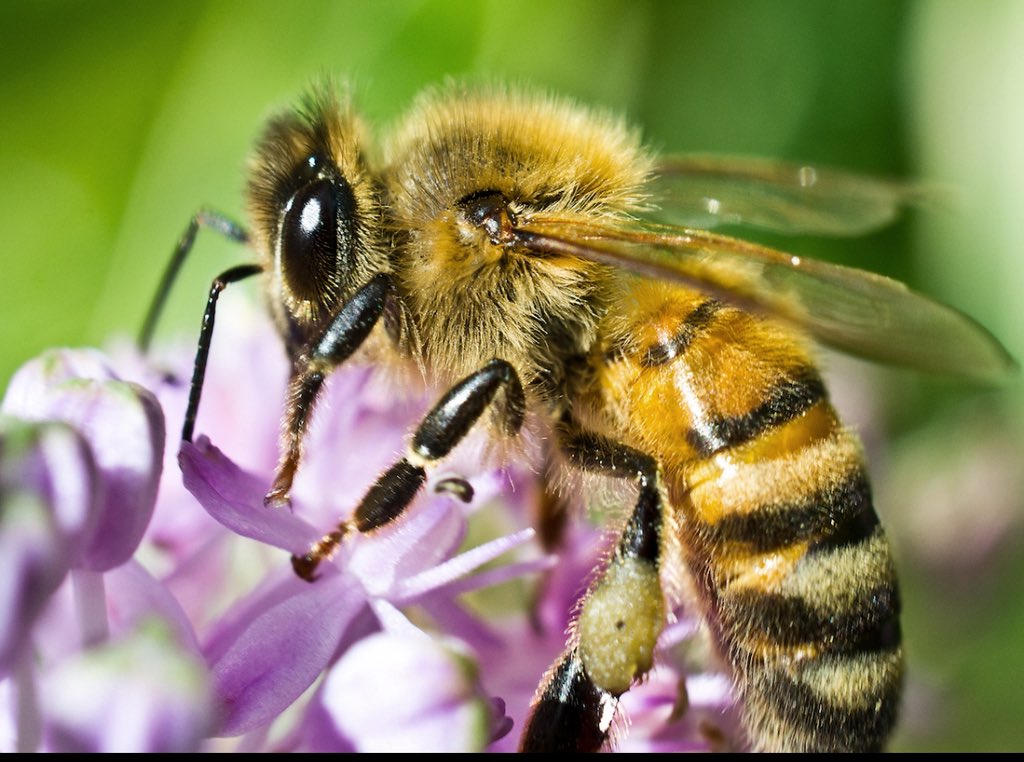
Bees may be small, but their impact on global agriculture is massive. Across India and the world, these vital pollinators are vanishing threatened by pesticide overuse, shrinking habitats, climate change, and the spread of monoculture farming. Their decline is not just an ecological concern it’s a looming food crisis.
Pollinators like bees, butterflies, and other insects are responsible for fertilizing over 75% of global food crops. Without them, yields drop, crop diversity suffers, and food security is at risk especially in India, where agriculture supports millions of livelihoods and contributes around 18% to the GDP.
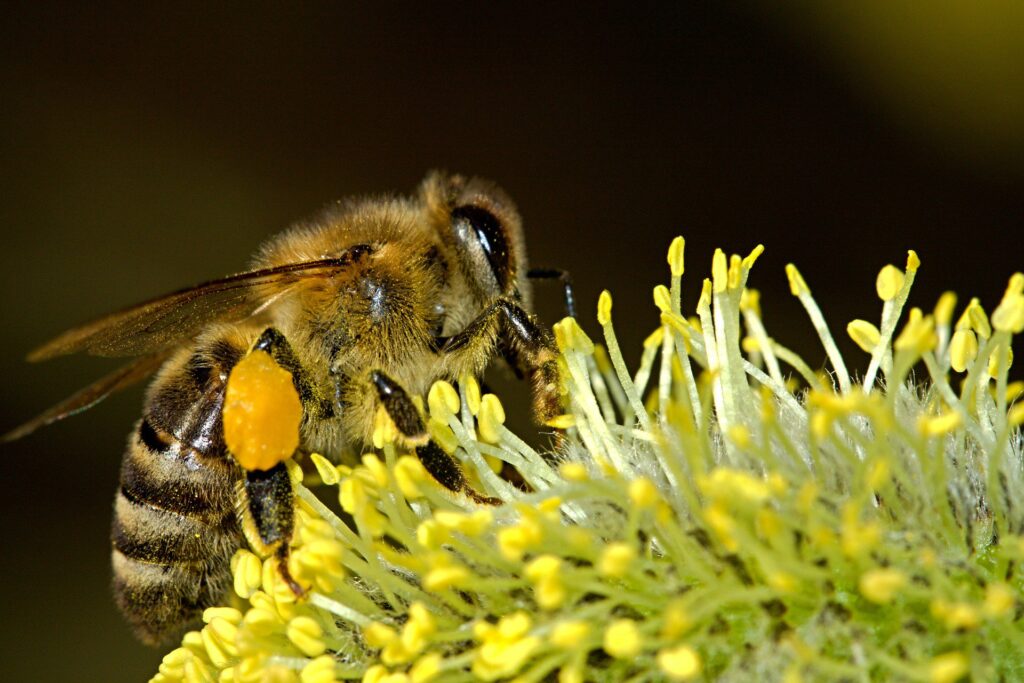
But a quiet revolution is taking root. Indian farmers are increasingly turning to nature-based farming a regenerative approach that nurtures biodiversity, restores soil health, and creates safe havens for pollinators.
Farming With Nature, Not Against It
Also known as agroecological farming, nature-based practices avoid synthetic chemicals, relying instead on natural pest control, crop diversity, and ecological balance. Farmers are planting flowering hedgerows, preserving natural habitats, and using techniques like:
Agroforestry: Growing trees and crops together to provide year-round shelter and nectar sources for bees while also boosting soil health and climate resilience.
Intercropping: Cultivating crops like sunflower, mustard, and coriander alongside vegetables or grains, ensuring continuous food sources for pollinators.
The result? Healthier ecosystems and better harvests.”
Since switching to natural methods, we see more bees in our fields and healthier, more abundant crops,” says Jasuben Vegad, a cotton farmer from Gir Somnath, Gujarat.
Beekeeping Brings Triple Benefits
Beekeeping is another nature-aligned practice gaining momentum. Supported by government schemes and grassroots training, Indian farmers are learning to raise bees, not just for honey and wax, but to support crop pollination and farm productivity. It’s a win-win-win: increased income, stronger ecosystems, and resilient agriculture.
A Call to Scale Up
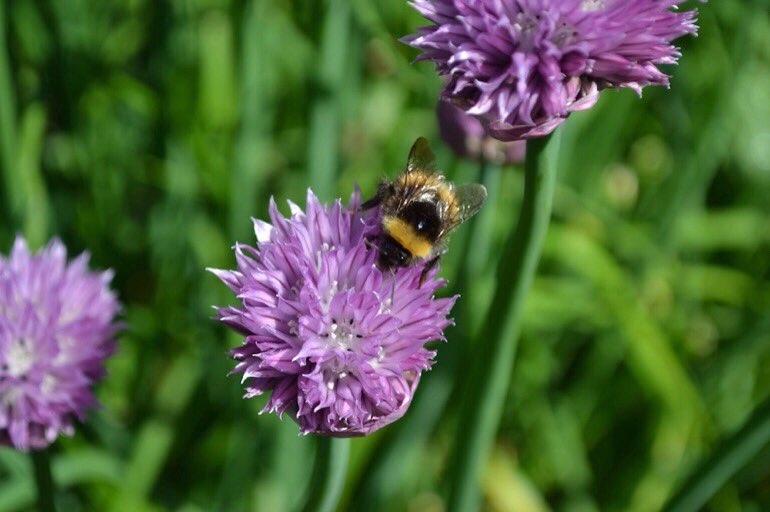
Despite these promising efforts, most Indian farmers remain tied to chemical-heavy practices, shaped by decades of policy and market pressure. To protect pollinators and the nation’s food future India needs to:
1. Expand training on pollinator-friendly techniques
2. Incentivize biodiversity-focused farming systems
3. Integrate pollinator protection into national agricultural policy
Fortunately, a growing network of training centers, NGOs, CSR programs, and researchers are helping accelerate this shift.
A Future in Harmony
Nature-based farming isn’t about turning back the clock it’s about moving forward with science and sustainability. It proves that productivity and environmental care can go hand in hand.
This World Bee Day, let’s remember: when we protect pollinators, we protect our food, our farmers, and our future.