

By The Sampadak Express
Food adulteration is a serious crime, but unfortunately, its cases are on the rise. From water being mixed to the addition of dangerous chemicals, both beverages and food products are being contaminated. This adulteration directly impacts our health and could even lead to cancer. In addition, many diseases slowly develop due to such practices.
Some items are essential in every Indian kitchen, such as milk and salt. These are indispensable for both cooking and maintaining a healthy body. However, milk and salt can sometimes be adulterated, reducing their nutritional value and posing potential health risks.
Adulteration in Milk
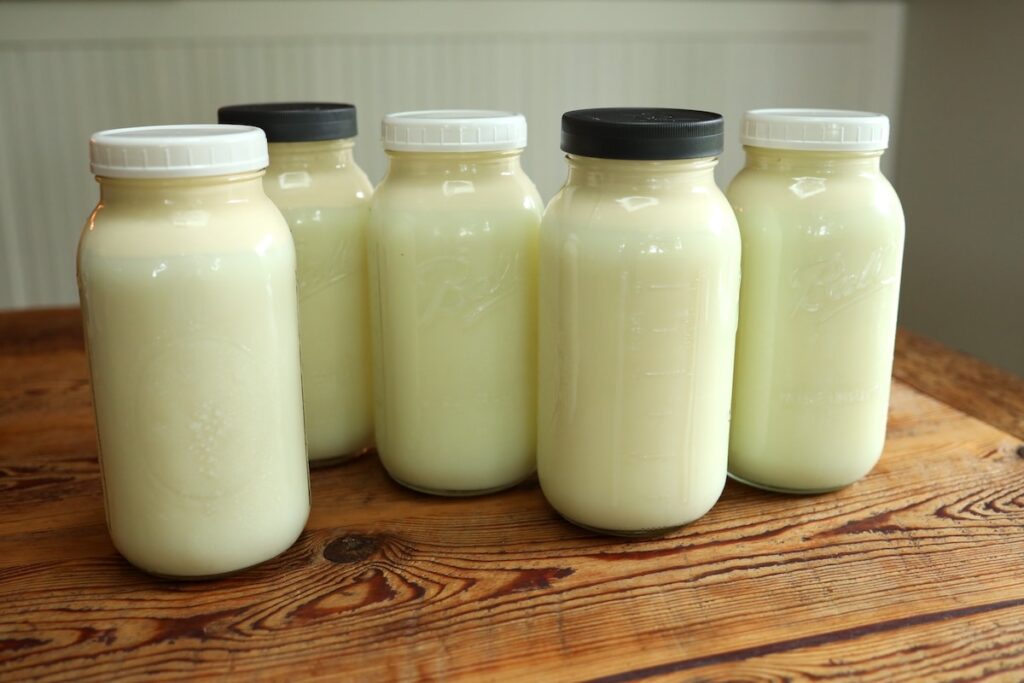
It is common to dilute milk with water, but nowadays, a substance called maltodextrin is also being added. According to research published on the NCBI website, maltodextrin has a higher glycemic index (GI) than sugar and acts as fuel for cancer cells. It accelerates tumor growth and facilitates its spread rapidly.
How to Check for Maltodextrin in Milk:
1. Take 5 ml of milk in a glass container.
2. Add 2 ml of iodine reagent to it.
3. Mix both ingredients well and observe the color change.
4. According to FSSAI (Food Safety and Standards Authority of India), pure milk may have a yellow-brownish color.
5. Milk with adulteration may turn a dark brownish-red color.
6. The test will show the results within 5 seconds.
How to Check for Water in Milk:
1. Drop a little milk on a slanted surface.
2. If there is water in the milk, it will slide down quickly, and you will see water traces.
3. Pure milk, on the other hand, will slowly move downward and leave behind a thick, creamy trace.
Adulteration in Milk with Detergent:
Detergents are often mixed into fake milk. To check for detergent contamination, follow these steps:
1. Take a glass and add some milk to it.
2. Add some water and stir with a spoon.
3. If detergent has been mixed into the milk, you will see significant foam forming.
How to Identify Fake Salt:
1. Take a glass of water and add one teaspoon of salt.
2. Stir it thoroughly.
3. If there is chalk or similar adulteration, the water will turn milky white in color.
Caution with Fruits, Vegetables, and Spices:
In addition to milk and salt, fruits, vegetables, and spices can also be adulterated. Fruits and vegetables may be coated with hazardous chemicals to make them appear fresher, which can harm the kidneys. Spices, too, are often mixed with dangerous synthetic dyes that are harmful to health.
This article is meant for general informational purposes only and is not intended as a substitute for medical advice or treatment. Always consult your doctor for more detailed information and advice.
By being aware of these adulteration tests, you can protect yourself and your family from harmful substances and ensure the food you consume is safe and healthy.