
By The Sampadak Express
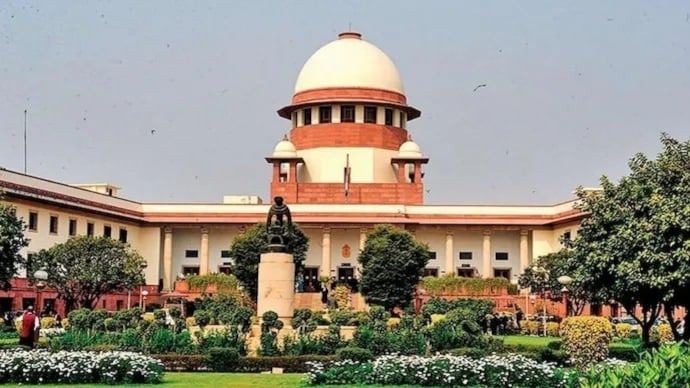
The Supreme Court of India is set to hear a Public Interest Litigation (PIL) on Monday, February 3, which seeks the implementation of safety guidelines and measures at the ongoing Maha Kumbh, following a tragic stampede that claimed at least 30 lives and injured 60 others on January 29, 2025.
The PIL, filed by advocate Vishal Tiwari, urges the Court to issue directions to the central and state governments to take immediate actions to ensure the safety of devotees attending the religious event, one of the largest in the world. The petition also emphasizes the protection of fundamental rights guaranteed under Article 21 of the Indian Constitution, which ensures the right to life and liberty.
The petition comes after a deadly stampede on Mauni Amavasya, one of the most significant days of the Kumbh Mela, which saw millions of devotees gathered in Prayagraj (Uttar Pradesh) for religious rituals. The stampede raised concerns over crowd management, safety protocols, and emergency response mechanisms at such large-scale events.
Key Demands of the PIL
The petition, which will be heard by a bench comprising Chief Justice Sanjiv Khanna and Justice Sanjay Kumar, highlights several key demands:
1. Establishment of Facilitation Centres: The PIL urges the establishment of facilitation centres at the Maha Kumbh, set up by all state governments. These centres are proposed to provide essential safety information and assist pilgrims, especially those coming from different states, in emergency situations. These centres will be responsible for disseminating guidelines on safety measures and will serve as emergency assistance hubs for residents of each state.
The petition specifically states, “All states shall establish in a proper manner their facilitation centres at the Maha Kumbh. These centres shall provide and display the basic information regarding safety measures and guidelines to the persons coming from their states. In emergencies, these centres shall be ready for any assistance.”
2. Information Dissemination: The petition also calls for the installation of clear signage and announcements in multiple languages to help pilgrims navigate the vast event grounds. Moreover, it proposes the use of modern communication tools, such as SMSes and WhatsApp messages, to broadcast safety protocols to attendees, ensuring that vital information is accessible to everyone.
3. Coordination for Healthcare Services: The PIL emphasizes the need for better coordination between the Uttar Pradesh government and other states in deploying adequate medical personnel at the event. This includes ensuring the availability of doctors, nurses, and paramedics at various locations within the Kumbh area to handle potential medical emergencies promptly.
4. Regulation of VIP Movement: The petition calls for strict regulation of VIP movements during the event to prevent overcrowding and congestion. It stresses that public safety should be prioritized over VIP protocols to avoid disruptions in crowd management and ensure smooth movement of devotees.
5. Accountability for Stampede: The petitioner has requested the Supreme Court to direct the Uttar Pradesh government to submit a detailed status report on the January 29 stampede. Additionally, the PIL seeks the initiation of legal action against those responsible for negligence that may have contributed to the tragic incident.
Historical Context and Recurrent Tragedies
The PIL underscores that the deadly stampede is not an isolated incident, citing several past tragedies that have occurred during large religious gatherings. In 1954, a stampede at the Kumbh Mela in Prayagraj claimed over 800 lives due to overcrowding on a narrow bridge. Similarly, in 1986, around 200 people died in a stampede at the Haridwar Kumbh Mela, and in 2003, 39 people were killed, and more than 140 others injured in a stampede at the Nashik Kumbh.
The plea highlights the urgent need for better crowd management practices to prevent further loss of life in future Kumbh Melas.
A Call for National Coordination
The PIL calls on both the central government and state authorities to work collaboratively to implement robust safety measures and regulations at the Maha Kumbh, which is held in rotating locations—Prayagraj (Uttar Pradesh), Haridwar (Uttarakhand), Ujjain (Madhya Pradesh), and Nashik (Maharashtra). Given the large scale of the event, which attracts millions of devotees from across the country and abroad, the petition stresses that comprehensive safety measures are essential to safeguard the lives of the participants.
The Kumbh Mela, renowned as one of the largest religious gatherings in the world, requires careful planning and execution to ensure that all attendees are provided with adequate safety and emergency support.
The Supreme Court’s upcoming hearing will be crucial in determining how the authorities will respond to the petition’s concerns and whether it will lead to immediate reforms at the Maha Kumbh. The Court’s decision could shape future crowd management strategies at such large-scale religious events across the country, setting a precedent for public safety during similar gatherings.
As the Court considers these demands, the focus will likely be on striking a balance between the religious significance of the event and the responsibility of the authorities to ensure the safety of all participants.
For latest updates on Supreme Court hearing, stay tuned to The Sampadak Express